Letting Go of Afghanistan, Easier Said Than Done!

No one would be new to the 20year long on going war of 21st century. With the American troop withdrawal now set on 4th of July, Afghan war transcends into a transitional phase. In a past month major developments have taken place in addition to the increasing violence and instability on ground. Starting from the New York Times leaks over the Pak-US security talks, followed by Pakistan’s sturdy denial the question of bases in Pakistan arises once again. The recent back to back interviews by Pakistan’s top leadership to foreign media channels are all directing towards an expected future of Afghan war consequently Pakistan and the region.

Afghan conflict witnessed first transitional phase post 9/11, with the 2020 Doha Peace talks between Afghan Taliban and the US leadership on ending the war. Though the date for the complete US withdrawal was initially decided to be May 1st of 2021 but promises were broken. With a new year and new US administration all the executive decisions have been reviewed by the Biden administration before proceeding. Thus after reviewing the Afghan conflict, at first 20th anniversary of 9/11 incident was set to be the US troops withdrawal date later on changed to be the Independence Day of US.

Furthermore, the news of talks with Pakistan as well as Central Asian states to establish US military bases close to Afghanistan in order to help Afghan National Forces against the Taliban attacks is another strategic event to keep in mind. Both developments suggest covert intentions of US behind the doldrums of exit from Afghanistan and a so called end to the war.

The question arises, has the United States achieved its goal of countering terrorism in Afghanistan? If so, then the need of a permanent residence following a peace deal and withdrawal of troops seems an unnecessary ruckus in the region.
Although to this question Prime Minister Imran Khan has answered both in his HBO interview to Jonathan Swan and in his article in Washington Post that why would the American’s be bombing Afghanistan after it hasn’t worked for 20years, why will it work again?  This reflects that even Pakistan is clear on the fact that nothing has been achieved or changed by the 20year long war. Whereas US’s ambitions of either maintain a military presence in the shape of US bases in the region or plans of direct bombardment in Afghanistan from Gulf States seems unnecessary. The recent advancements of growing violence and control of major areas by Taliban in Afghanistan was expected to happen. These circumstances paint the perfect picture for United States to use any means possible in order to obtain the bases they require from the economically downtrodden states.

Whereas, sad spectacle is when both PM and the foreign minister in their recent interviews maintain one stance on the probable solution to the Afghan conflict being not a military one but one through negotiations and continued dialogue. At the same time an Afghan policy of urging the Taliban to negotiate on international terms for a possible ceasefire was adopted. In addition to which a firm tone was adopted in negating directly to the question of United States military bases in Pakistan.

Nevertheless, the doldrums of peaceful transition of power in Afghanistan could be the face saving for an economy in jeopardy. With Pakistan’s recent change from a geo-strategic to a geo-economic foreign policy posture, our focus regarding our foreign policy have been made crystal clear in the past year.

There might be many reasons for Pakistan to not give bases to United States but at the same time due to economic turmoil, reasons could be justified if Pakistan changes its decision later on. For now this strong negation may sound impressive to a common man, but from the foreign policy lens, there is always a wager when your economic power is not strong enough to negate what has been asked by a greater power. The economy standing on International Monetary Fund (IMF) programs along with the hanging result of Financial Action Task Force’s third report, Pakistan stands in no position to be declaring “absolutely not!” on the question of US bases.

Time and time again if we haven’t then we need to learn our lesson in terms of relevance to United States. Which is nothing but a transactional partnership of certain time duration between the two partners. The skepticism of US regarding CPEC and thus giving India the strategic stronghold in order to contain China’s dominance in the region makes it evident why United States wants to maintain its presence in the region. Unstable Afghanistan is in the best interest of United States as it naturally creates the reasons to interfere in the region, keep a check on Afghan government against the formulation of a possible Taliban government, at the same time keeping Pakistan under pressure and a check on China, Iran and Russia.

What Pakistan requires is an extended hand by United States to put in a good word with IMF which will ease the conditions of the program on us. This will either come as affirmative to the question of bases or Pakistan should get ready for an enhanced role in Afghanistan once the US leaves. The truth to be told is when we agreed to be “with them” and “not against them” in 2001 we signed up for having a liability in our western neighbor for as long as the United States wants.

It is not advantageous for Pakistan to alienate Taliban and end their alliance with Tehrik-i-Taliban Pakistan. It will only benefit India and would ultimately create security situation as it was back in war on terror days. Moreover, Pakistan should remain steer clear on the stance of “Afghan-led and Afghan-owned solution.” Whether it’s a sharia-compliant governance led by Taliban or it is under the democratic civilian government is none of Pakistan’s concern. Let it be the issue of those who may.

It will be in the best interest of Pakistan to maintain the remaining of its credibility after the recent interviews of our top leadership by not reverting back from their stance of “absolutely not!” We will not only set back the clock 20years for our state but also for Afghanistan as well. Recently we have started to improve the repute of our tourist spots which were once battle grounds of counterinsurgent missions. We need to increase normalcy in those areas rather revert back to war days.

It is evident by now that Pakistan and United States have different strategic approaches regarding a peaceful end to Afghan war. US is willing to use both carrots as well as sticks although Pakistan maintains to stay with the carrot policy, with behind the scenes lurking interests. With the deadline approaching although the future of Afghanistan seems unclear but the risk of going back to peak war days cannot be dismissed completely. Only if US lets go of all of its motives and once and for all retreats back and leave the Afghanis to decide their future on their own.
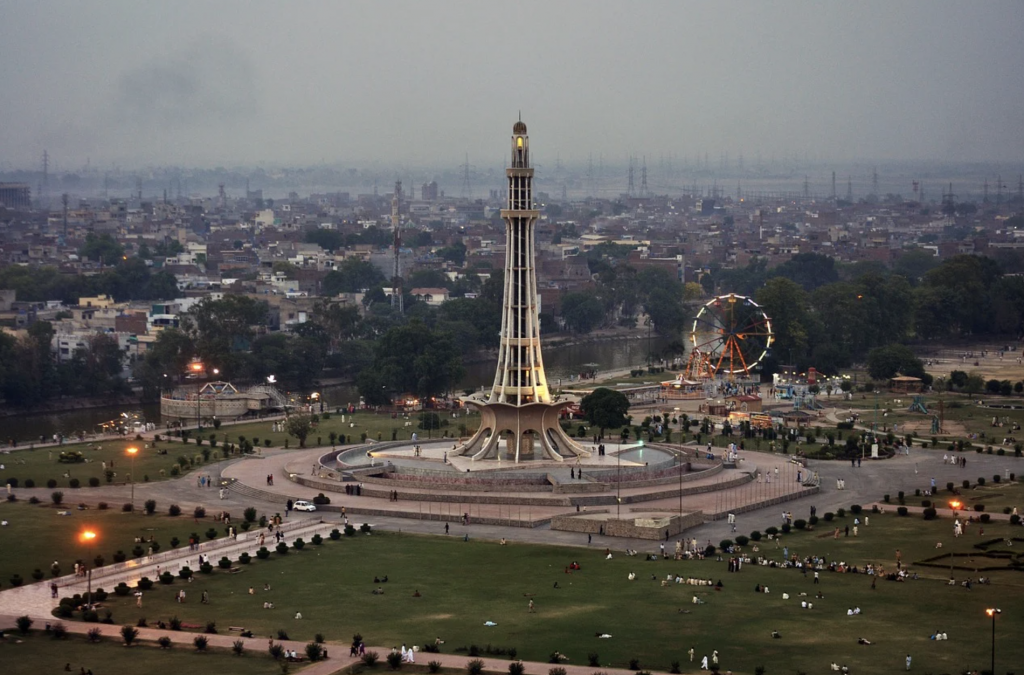
Can Pakistan Survive Identity Politics?

The world has gone through a series of issues that it has attempted to address prior to establishing institutional structures and procedures. The central question until the last decade of the twentieth century was that of the economy, which gave rise to capitalist and planned economies. This distinction of the economic systems then aligned states along with the type of economies they would adopt. The question of the economy however has not lost its context, but events in the 21st century have posed a new question which is the wandering who that lets nations all over the world as to who they really are. This is related to the politics of identity. Although identity politics has always been part of politics, it has now become one of the most powerful forces in contemporary international politics. Identity politics describes the way people adopt political and legal positions that might be based on ethnicity, race, gender, religion, social background, class, or any other identifying factor, but in third-world countries, identity politics is mainly underpinned by religion or nationalism. Though the phenomenon started on the left in the 1970s, it has now been potentially driven by the right, which can be witnessed in the western world where countries for the last decade had been moving towards protectionism to protect their identity especially, in the case of Donald Trump who used to say that I am a global citizen, but of course, America comes first and the issue of Brexit where Britain opted for independent trade policies. If the Western nations protected the liberal norms and values as the main components of their identity, it would be easy for them to unite themselves based on a broad identity.  Therefore, Identity politics may be viewed as a gift for the West till or without the increasingly popular slogans of gender, race, or religion substituting liberal standards . This politics of identity has not been confined to Western democracies, but now takes a distinct approach in third world nations.

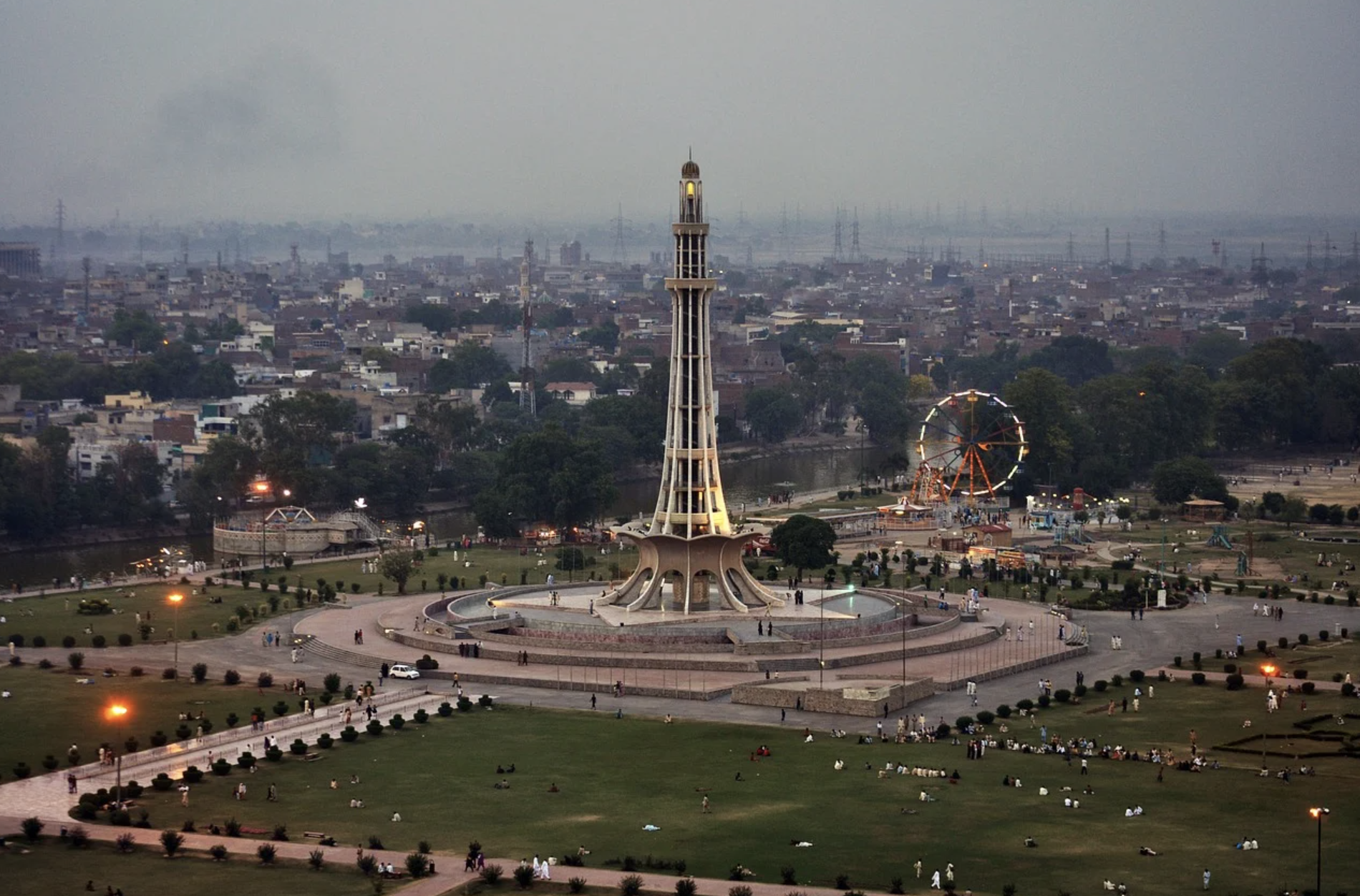
 In country like Pakistan identity politics is problematic in the sense that State is lacking a collective identity. One can hardly see any state in this world, which is not multiethnic. So, Pakistan is no exception. Although Pakistani ruling elites have always associated themselves with an Islamic identity that comes from the independence of Pakistan based on the so-called Two-Nation Theory. However, the state has always witnessed on the one hand a clash of faith vs secularism where the state on several occasions has used the Islamic identity whereas, the secularist forces that were part of the power structure and were in good relations with the Western powers were not only reluctant about the Islamic identity but had clearly maintained that Pakistan is a democratic country, and that Political Islam has no position in the state affairs. This concept of an Islamic identity further deteriorated when the state got in trouble with its ethnic groups such as the Baloch people and the Bengali nationalists. On the other hand, especially in the current situation, the state has been witnessing clash of faith vs ethnicity. It is primarily because people have abandoned their state’s Islamic identity in favor of ethnic identification. Conflict based on ethnicity in Pakistan is not a new phenomenon to be looked upon but has existed in Pakistan in the very beginning phases of independence in Baluchistan in 1947 continued up till this day and then in the case of East Pakistan separation in 1971. This somehow proved that ethnic groups are not safe in the type of constitutional and power structure or at least the deliberate actions, Pakistan is having.

As soon as the current Prime Minister of Pakistan Imran Khan took office in 2018, manipulated the argument and talked about a state where affairs would be conducted according to Islam.  A trend of using religion got talent in framing situations and in identifying its enemies, especially India.  Pakistanis have thus connected to an Islamic identity again. However, as nationalist movements such as the Pashtun protection movement in the tribal areas and parts of Baluchistan grew as a result of extrajudicial killings, state agencies forced their disappearances and similarly in case of protests by the religious groups against the blasphemous acts where the state was unable to support religious groups, hopes of Islamic identity were killed. The wave of protests made by ethnic groups particularly by the Pashtuns against the state for misuse of power is a problem that cannot be ignored. The groups involved in such protests not only criticize state policies but continuously identify themselves as Afghans, despite holding the citizenship of Pakistan. This has been witnessed in various demonstrations made by the Pashtun Protection Movement. More recently, a few days ago Usman Kakar, a member of a Nationalist party and a senator of Pakistan, who was murdered in his home gave the nationalist groups another threat and opportunity at the same time to unite, but this time Baloch people too joined hands with the Pashtun people wholeheartedly. The state was blamed for the killing of Usman Kakar. Again, the crowds raised slogans that showed their criticism of the state, and more surprises during the funeral the flag of Afghanistan was raised on the grave of the senator.

 The implication is that Pakistan is a multilingual state that lacks an identity in an age of identity politics capable of uniting Pakistanis in the same way that the West has done under liberal standards. If Pakistan has to survive the identity politics, it must work upon an identity that is not so religious as people are divided along sectarian lines and the state cannot decide upon a single  school of  thought, not affiliated with a certain ethnic group in majority, not so secular because that would burden the religious groups but should be an identity that is inclusive and should provide equal representation for all religious, ethnic, and political groups. It may be achieved by convincing all groups to make compromises on some aspects of their identity. Otherwise, the state may witness and ultimately divide some extremely unpleasant phases of sectarian and ethnic conflicts.

Unstoppable China: US Needs an Updated Version of Kennan’s Containment Policy

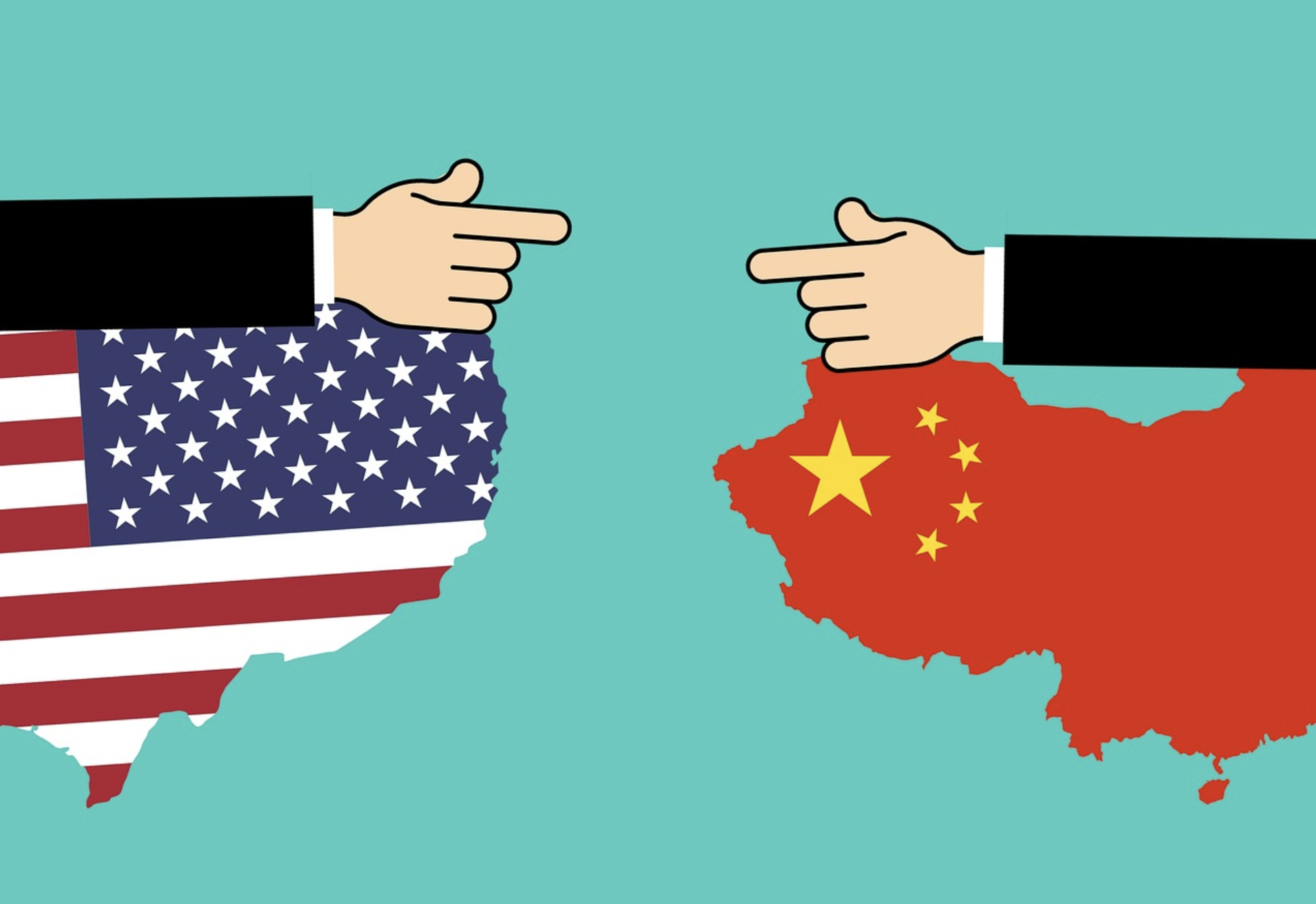
Kennan’s containment strategy became the US policy to counter Communist USSR till the end of the Cold War. Now decades later US and its allies again face a new communist rival, China that perceives US as enemy and seeks to dominate the region and Globe. Odd Arne Wasted asserts that US now needs an updated version of Kennan’s containment strategy to restrain Chinese expansion to save world from another Cold War.

There are two factors behind unprecedented growth of China; first the Chinese economic growth that saw the increase nine folds since its reforms in 1978, and second, the dictatorial role by unelected Chinese Communist Party (CPP). CCP limits all kinds of freedom of Expression and associations. Under Xi Jinping, CCP has further restricted the limited freedom that was given during President Xiaoping. Private markets and businesses too have been controlled by Government. Chinese government keeps claiming that their model of economy is superior to that of West. Xi claims that Chinese model is new trail for developing countries to achieve modernization and speed up development. He criticizes democracy as a tool to manipulate poor countries and rob their resources. Just like the Soviet propaganda, Chinese government with their strong nationalism and greatness of China has been able to inculcate pride among its people. The party also claims that the US is out there to undo Chinese growth, just like the Soviet era propaganda used to do.

Xi insists that one party dictatorial rule is necessary to protect the territory from abuse of foreigners. He makes his claims by tracing history. Till 1949 China suffered humiliations at the hand of foreigner’s multiple times. China is the de facto empire not the nation state, most of the  inner Mongolians, people of Tibet and Xinjiang are not Chinese, they have been dominated by mainland Chinese (Hans), if they resist their rule they end up in prison camps. Externally, China has issues with each of its neighbors. It threatens democratic Taiwan, has it territorial issues with Philippines, Taiwan and Japan and claims all the South China Sea.  Comparative toUSSR, China is far ahead in economy viz a viz America. Militarily, however, China is far behind than US. America has 20 times more nuclear warheads. It has superior air force and more importantly US has potential allies in Beijing’s neighbor.

Yet the balance of power in East Asia in the last decade has tremendously shifted in favor of China. Today, China has enough military capabilities to face US if not defeat in the region. Its missiles now can easily hit the American bases in Pacific. US is no more the superior power in Indo-pacific region. Problems would increase as China’s naval capabilities and technology tend to increase massively with few years from now. Even US enjoys greater military strength over China than USSR back in the Cold War yet China has the capability to reach parity, which the former USSR could not.

The similarities between former USSR and China are striking. Just like the USSR tried to dominate Europe, China is trying to dominate East Asia, the region that is important for Washington as was the Europe. The methods of China are also same i.e. the political and military extortion. China is deemed to dominate and become the master of East Asian region if US fails to counter its growth. Like the USSR, China is courteous in public and adheres to international norms but in CCP’s internal mechanism the US is considered enemy that is planning to contain China through internal and external coercion.

 China is not the USSR for one thing. Soviet Ideology could thrive only by the defeat of US capitalism. China has no such beliefs, it sees US as enemy that creates trouble for its aims and growth but Beijing does not believe that US has to be defeated to attain these aims. Besides, Chinese society is more similar to the US than the Soviet Union ever was. Unlike the USSR, which suffered more than 30 years of wars and revolution, China by contrast lived peacefully. Two-third of the Chinese population has known nothing other than peace. China-Vietnam war ended 30 years ago and Korean War ended 70 years ago. On one hand, last few decades have demonstrated the peace and values that people fear to lose, while on other hand, long time peace have inculcated the loose talks of war, people in China are often heard talking about war against the US to avoid getting hammed by Pentagon.

The power structure has also changed since the Kennan’s time. During the Cold War there was bipolarity and war was purely ideologically based but today the world is different in terms of polarity as it is more multipolar now. War between two powers would not lead to bipolarity rather it would drag other great powers too since it is not ideologically based, economic power counts more. If the US and China go to a war, they would be devastated which would provide space to other powers and we would have the world of regional hegemons.

Under the previous Trump administration the US lost its credibility. Its fiscal policies and unilateral actions, in the past few years, led its allies to question Washington’s reliability. Now the Kennan’s policy needs to be updated more than ever. US and Chinese economy have been intertwined. The Soviet Union contained its economy through its ideology, but the case of China is different. US is the biggest trading partner of China. Sanctions, tech bans or travel barriers won’t stop Chinese economic expansion unless the de facto state of war makes it impossible. China is more becoming self-reliant causing no damage to the US prestige and the US may need to contain China in the context of continued economic interdependence.

Finally, China has more cards to play in the international arena than the former USSR. Its appeal to Climate change, global unity, trade and inequality finds more traction abroad. Since the US has failed to lead in these issues, China may convince the world that authoritarian regimes are more capable in handling global issues than democracies do.

Even though, the patterns of conflict are different than the Cold War but that does not mean Kennan’s policy is irrelevant. He envisioned US involvement in Europe at that time and now similarly US needs to focus more on Asian countries that fear Chinese aggression. Just like Marshal Plan and NATO were created to counter USSR, US needs now to build potential allies in Asia with the political and economic dimensions. Probably Economic aspect is more worthy of attention as China is more of an economic power. The US withdrawal from Trans-Pacific Partnership in Trump’s era was a disaster in terms of foreign policy. It not only created a vacuum for China to fill in but also lost the faith of its allies and proved US as an unreliable partner in Asia. America may need to contain China and for that purpose, it should look beyond Asia and create a suitable environment. US should never leave Russia as a dissatisfied scavenger in the international system. It should cooperate militarily and economically with Moscow otherwise the worst nightmare of the US would come true in the form of the Sino-Russia Alliance.

Why the American Desperation On Securing Bases In Pakistan?

Background                

Afghanistan, of course. As a sequel to the 9/11 attack on American soil, the USA initiated a war codenamed Operation Enduring Freedom against the Taliban government in Afghanistan. The military aim of dismantling the Taliban regime and the political objective of replacing it with a friendlier and compliant set-up were achieved swiftly within a couple of months at practically nominal economic cost and very few American casualties.

Keeping the US installed Afghan government in power proved to be far more complex. The NATO-led International Security Assistance Force (ISAF) was established by the UN and deployed in Afghanistan in December 2001 to provide security to the new set-up. US led NATO troops’ efforts to prevent a Taliban resurgence met with some success until 2003 when the US military shifted focus to Iraq. It marked the revival of the Taliban, and their strength has continued to grow since then. Today they are poised to overpower the Afghan regime once the planned ISAF troop pullout is completed. By end July 2021, all NATO combat units including the airpower elements are expected to vacate Afghanistan

Pentagon’s Dilemma

The Vietnam War was a watershed for the American armed forces. In 1973 the USA had decided to pull out its troops from South Vietnam declaring the South was now capable of holding its own against the military onslaught by the North; within two years South Vietnam fell. The defeat was hard to swallow and the US armed forces swore, ‘never again’. The ghost of Vietnam end-game still haunts the Pentagon and they fear a similar debacle after their exit from Afghanistan.

Post US troop withdrawal from Afghanistan, events are likely to follow the Vietnam pattern. The chances of survival of the Afghan government to a Taliban onslaught without the active support of American forces appear very slim. 

Any hopes the Taliban would arrive at a compromise power-sharing formula and avoid a civil war is a non-starter. Pakistan’s PM’s stance that the Afghan conflict has no military solution but only a political one, would well apply to the USA but not to the Taliban. They had evicted the Soviet troops from their soil, albeit with the American arms support by waging an armed insurrection. And after being ousted from power by the Americans in 2001 they have fought the combined Afghan National Army and ISAF to a standstill for nearly two decades. Their armed struggle has finally convinced the NATO forces to pull out. Kabul is now within their grasp and only a miracle will prevent a major Taliban offensive against the Afghan national government once the US forces exit from the country.

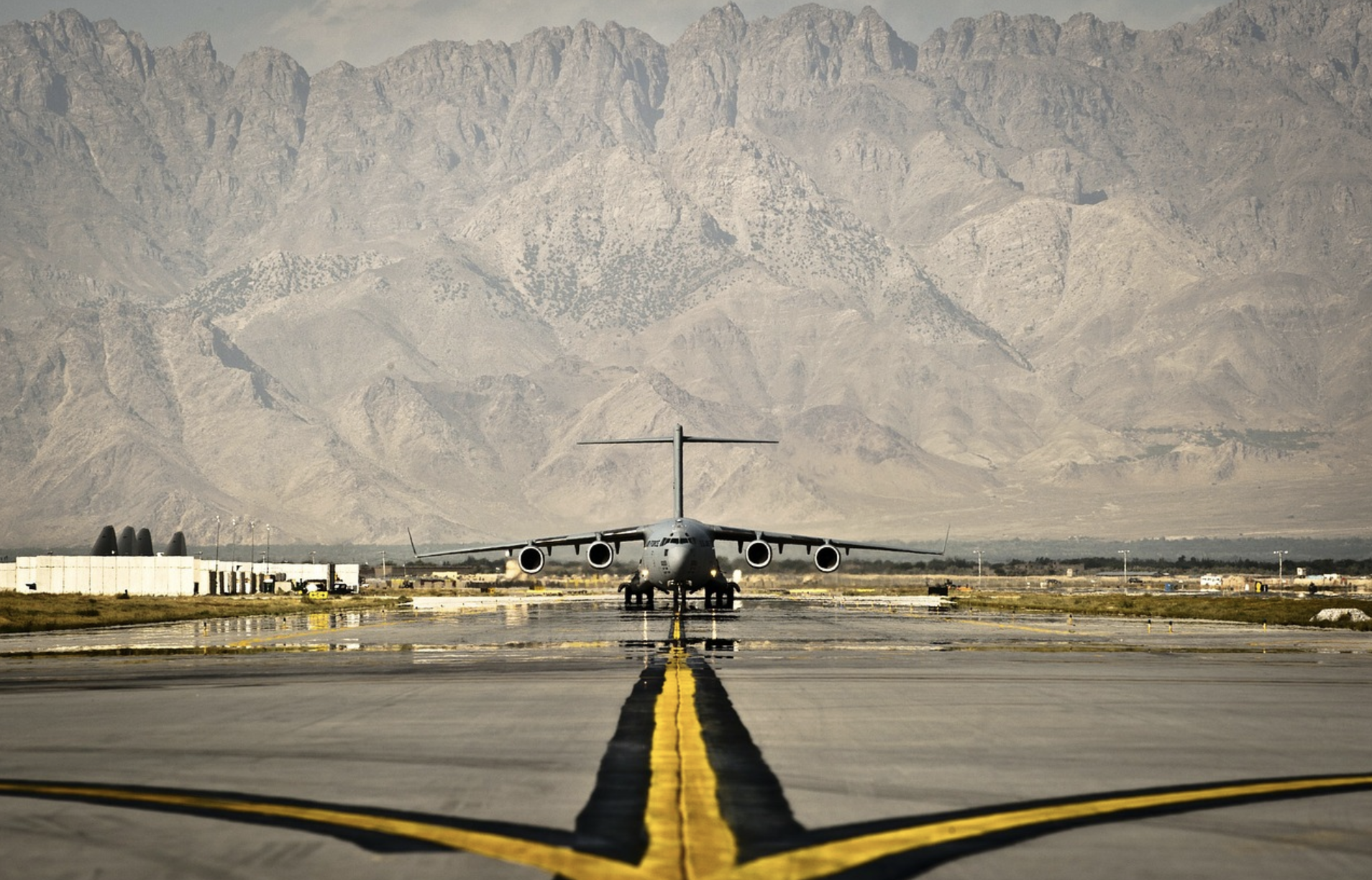
The Americans are desperate to prevent a repeat of the Vietnam War. Redeploying ground forces is no longer a valid option and airpower then becomes the only means to thwart a Taliban victory. According to the US–Taliban peace process signed in February 2020, all US forces including air bases in Afghanistan must be vacated by ISAF. Any air offensive post US withdrawal will have to originate from outside the Afghanistan soil.

The likelihood of the incumbent Afghan government to survive a Taliban onslaught is slim. Arming them with state of the art COIN aircraft will only delay the inevitable as their operating air bases in Afghanistan would be very vulnerable to a Taliban assault.

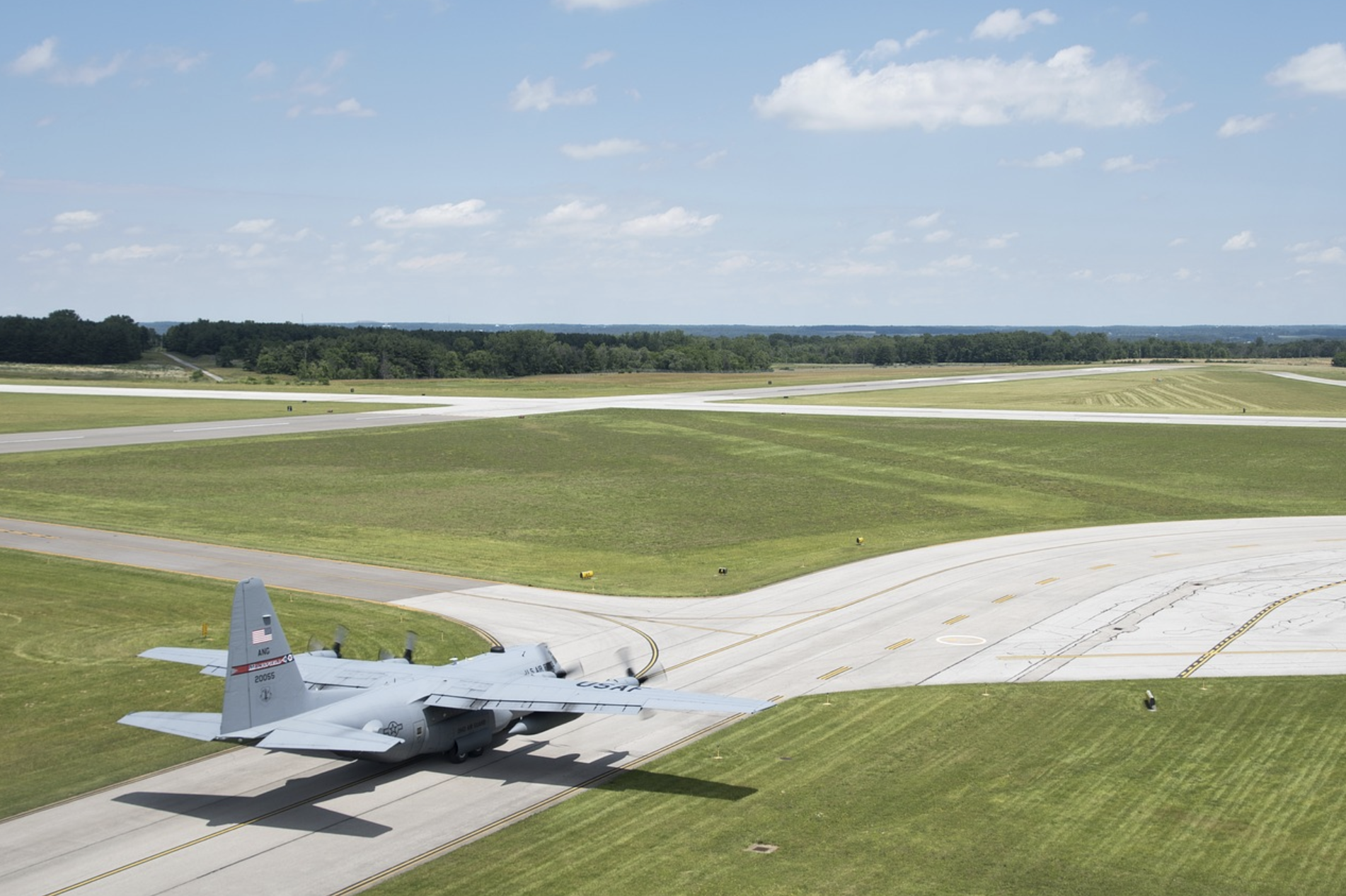
With access to a number of air bases in the Gulf and the Arabian Peninsula and the ability of the US aircraft carriers to position themselves in the Arabian Sea just off the coast of Pakistan, all targets within Afghanistan are well within reach of the American manned and unmanned attack platforms. Why so much of pressure is being applied on Pakistan to give US basing facilities on its soil, one wonders? A look at the map of the region will provide an answer. Afghanistan may be approached from the Gulf or the Arabian Sea through Iran or Pakistan. Alternatively, routes via Syria from air bases in Iraq are also available or Afghanistan can be reached from air bases in Central Asians States.

Any direct route through Iran or Syria will be fraught with grave risks of a much wider conflagration involving Russia and China. Similarly operating from the Central Asian States would need the Russian blessing, which is unlikely. Pakistan, then becomes the only alternate, given the fact it has a history of easily succumbing to the US pressures in the past. Pakistan’s Prime Minister Imran Khan’s unequivocal announcement that the US demands of basing on its soil is being rejected outright has, therefore, opened a Pandora’s Box.

Pakistan’s Dilemma

Pakistan finds itself in a straitjacket, similar to the one it had to face in September 2001, where it had quickly capitulated. The present environment, however, is very different from 2001. First, America was then the unchallenged superpower in a unipolar world following the breakup of the USSR, while China was still in the process of emerging as a major player on the world stage. Second, Afghanistan was held responsible for harbouring elements by a majority of world nations who tacitly supported the US right to avenge the terror raids. Third, the USA was the principal supplier of high-tech weaponry for the defence forces of Pakistan, and a US arms embargo would have weakened its national defence. And finally, the country’s military strongman General Musharraf who had taken over power in a bloodless military coup was viewed as a usurper by the international community. The opportunity to ally with the sole superpower was too good to be missed as it provided him the legitimacy on the world stage.

Today, the reputation of the USA as a superpower has taken a hit after the Iraq and Afghanistan fiasco. China, the staunch ally of Pakistan is mounting a strong challenge to the US supremacy. With Russia also flexing its military muscle, the world is now considered to be in a multi power state. With the rise of China as an arms producer of repute, Pakistan’s dependence on the USA for high-tech military hardware has reduced to some extent. Unlike General Musharraf, Prime Minister Imran Khan’s legitimacy is not in doubt, and he is widely respected at the international forum.

What Next        

Pakistan’s refusal will have consequences. Some opine, its inability to get out of the FATF grey list is a ‘shot across the bow’ by the USA, given the degree of influence it exerts on such organisations. Pakistan’s economy is its Achilles heel and it is still in the process of attaining a degree of stability from a near default situation. While macro figures are positive, inflation is high, hurting the common man. The opposition is mercilessly exploiting this weakness, exhorting the public to rise against the ruling PTI party.

Traditionally, IMF, the World Bank and other leading loan agencies have been exploited by the powerful nations to promote their political and economic agendas. Should the USA decide to use its power and withdraw the IMF and World Bank support to Pakistan, it can potentially damage its fragile economy, resulting in hyperinflation and depression. Throw in handfuls of US dollars to the opposition, similar to the manner one witnessed in the revolt against Zulfiqar Bhutto in 1976, Imran Khan’s government may topple.

Will the new administration replacing Imran Khan’s PTI, follow the American diktat on military bases, however, is open to question. In the current situation, perhaps no ruling party or junta can afford to accede to the US demand for military bases and survive.

Before embarking on such misadventure, a glance at history is advised. American’s role in Bhutto’s ousting was primarily because of his refusal to back down from the national drive towards acquiring nuclear weapons. His successor, Zia ul Haq not only ignored the US threat but continued forward with renewed zest.

Conclusion All is not doom and gloom for Pakistan or for Pak-US ties. American bases may be ruled out totally but clandestine CIA – ISI cooperation to counter extremist threats in the form of TTP and Daesh is possible. Pakistan can also continue to use its influence with the Taliban to avoid a military takeover at least for a year or two else a repeat of Operation Enduring Freedom with or without Pakistan’s consent is a real possibility. The USA is also aware that putting further pressure on Pakistan will drive the country even closer to the Chinese fold. China too, given the importance of CPEC to its global aspirations will not rest should the Americans attempt to destabilise Pakistan using world economic forums. And a seemingly minor regional crisis if mishandled could escalate to a global one. Should that happen, there will be no winners.   

Analyzing the US (B3W) Initiative: Is There Any Prospective Role for India?

The US is no doubt the world’s sole superpower; but as many believe, in recent years, it has been facing various challenges to maintain its political, military, and economic supremacy. Based on its strong economic muscles, technological superiority, and military prowess, the US has ensured an overwhelming military presence primarily in the form of various combatant commands spread all around the world. Likewise, the US has remained involved in military intervention in various regions across the world. Specifically, during the last two decades, it has directly invaded Afghanistan and Iraq and led various indirect military campaigns in other countries most of which are located in the Middle Eastern and African regions. The US has been regarded as the sole security guarantor in some of the key regions of the world in general and the Middle East in particular. In addition to having strong economic muscles while being the largest economy in the world, its power projection has been referred to as a demonstration of its military supremacy. But now it appears that the US is trying to revamp and boost up its economic imperialism agenda. Specifically, this has become more relevant since China has launched its Belt and Road Initiative (BRI) worth trillions of dollars in the year 2013.

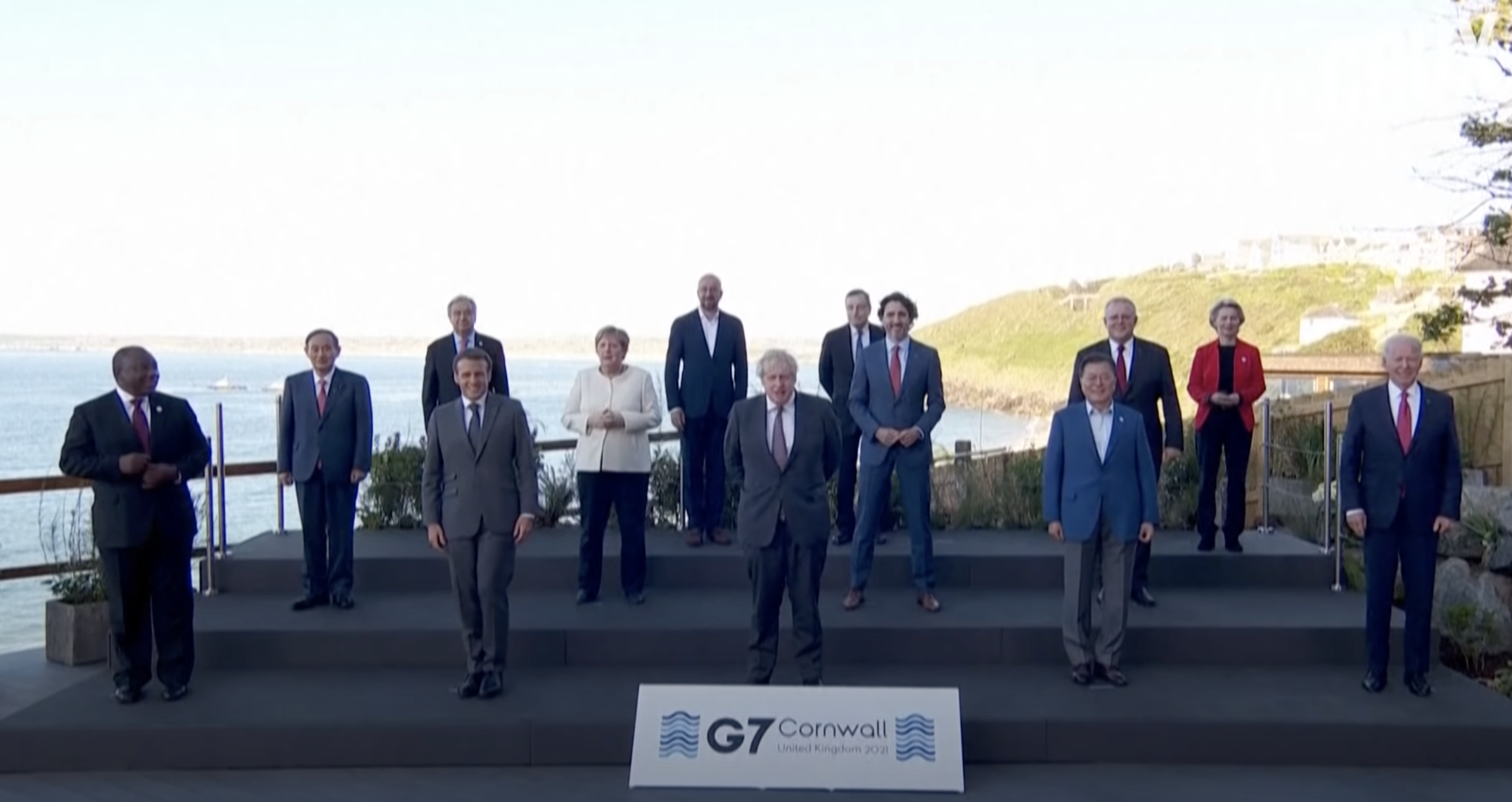
In pursuit of its agenda to deal with this considerable economic challenge from China, very recently, on 11th June at the G-7 summit that was held in Carbis Bay, England, the US came up with an initiative, which has created considerable hype in international media, known as a “Build Back Better World” (B3W). It has been insinuated as an alternative being offered by the US to challenge the Chinese BRI under which billions of dollars have already been invested by China. Though much of the details and framework of the implementation of the proposed B3W are not disclosed as of now, the massive project is intended to provide an estimated more than 40 trillion US dollars that are to be utilized by the developing countries by the year 2035. Further, it has been proposed that the B3W would focus on investments in climate, health, technology, human and gender rights. Specifically, against the backdrop of the COVID-19 global pandemic that has impacted the economies across the world, this project holds immense significance for the US vis-à-vis its global leadership role by offering an alternative to the BRI.

To further analyze, when the US was pursuing its power projection through military interventionism, China kept on strengthening its economic muscles and increasing its military capabilities without indulging in unnecessary military adventurism. This has been insinuated as the decline of the US and a considerable rise of China that can challenge the former in every geostrategic aspect. While being on a path of sustainable development and foreseeable economic integration, China launched its BRI as a reminiscence of the ancient Silk Road. The project is aimed at connecting; Europe, Asia, and Africa through a network of corridors and massive Chinese investment in socio-economic development projects. Many believe that the BRI initiative is an expansion of Chinese influence and its strong economic foothold from Asia to Europe and beyond. This would ultimately challenge US supremacy in the longer term, since; a strong and sustainable economy is widely regarded as a prerequisite of military might to be maintained. On the military front, China, though still not is at par with the US military might, but has appeared as a challenge to the latter. In this regard, China has been developing the latest military technologies that were previously limited to the US and its traditional counterpart Russia. Thus, in the US perception, China has seemingly emerged as a country that can challenge its supremacy both at the economic and military front.

This is further evident from this very fact that during the last few years, this notion has dominated the US foreign policy re-orientation. For instance, the US Pivot to Asia that was announced in 2011 was more or less an acknowledgment of the Chinese forthcoming challenge to US supremacy. Subsequently, in the US National Security Strategy of 2017 China was described as a revisionist power along with Russia. Based on this, the former US President Donald Trump declared China as a strategic competitor; and the tensions between the two countries reached new heights in his era. Even now in 2021, the Biden administration’s national security agenda, documented as the “interim strategic guidance” describes China as the only competitor that can challenge the US. This guidance specifically aimed at restoring the US global leadership role and boosting up alliance systems to counter China.       

It is also notably important to discuss here that, at the military and diplomatic front, the US has already initiated the revival of the Quadrilateral Security Dialogue (Quad); a transnational security alliance to counter China in the Pacific region. Similarly, India has been deliberately given a significant role in the revamping of Quad since the US wants to counter China through strong alliance systems. In recent months, this has been insinuated by many as an Asian version of NATO. Now, on the economic front, the launching of B3W has been projected as a US version of economic integration like the Chinese BRI. There are widespread speculations that India is very likely to join the B3W. This is evident from the official statement of the Indian External Affairs Ministry that India would study the plan and then engage with the project subsequently. Even though it would be very early to say that India is going to join the project very soon, specifically, given the Indian enhanced role in Quad based on the US-India mutual interests vis-à-vis China, the likelihood of India becoming part of B3W cannot be entirely ruled out in the longer term. While summarizing it all, it becomes quite apparent that the US considers China as a threat to its supremacy. The fact remains that, despite the military might and politico-economic muscles of the US, China has emerged as a strategic competitor that has considerably challenged the US at various fronts. Now, the US has been trying to confront China in each possible way; either through utilizing Quad and now launching of B3W. China on the other hand has responded in a very unusual way; gone are the days when a small group of countries is to decide the fate of the rest of the world. This indicates and further establishes the notion that both the US and China are now in strategic competition; the level of which would likely intensify in the years to come.

India’s Public Diplomacy for Image Building

The significance of soft power has increased in contemporary power politics. Power is considered as the ability to influence others where hard power is associated with coercion the soft power of a state depicts its ability to persuade others. The term ‘soft power’ was coined by Joseph Nye when he described this process as persuading others “to want the outcomes that you want” instead of coercing or ordering others to do something. A country’s culture, foreign policy, and political values contribute to the soft power projection of a state. A new concept of smart power, which is a combination of both hard and soft power approaches applied to diplomacy, has also emerged. Reliance over only one form of power is not adequate, so smart power implies different tactics of diplomacy and power projection.

The Art of communication and negotiation has evolved over time. Initially, the traditional diplomatic practices involved only state-to-state interactions but with time new concepts emerged and public diplomacy is one of them. In traditional diplomacy, the aim is to exert influence on foreign government but in public diplomacy, the main target is the foreign citizens who would indirectly influence their own countries’ policies. The term of public diplomacy was coined in 1965 by a retired American diplomat, Edmund Gullion, who applied it to the process of international engagement. This term was used as an alternative for the term ‘propaganda’ which aimed to change the public perception or opinion. This term was popularized in America due to the positive connotation associated with it and it just rebranded the term of propaganda. In public diplomacy, the state representatives try to engage with the foreign public to influence their perception regarding their own country or to promote their own interests and values. During Cold War, the USA successfully used this type of diplomacy to counter the Communist influence by influencing foreign public perception. The Americans were able to attract the foreign public through its exotic culture portrayed by Hollywood and liberal political values. The success of American public diplomacy in Cold War provided an impetus to this approach and it was adopted by other states.

India has effectively used public diplomacy as a tool to brand itself as the ‘largest democracy’ and ‘Incredible India’ in front of the world. India has embraced public diplomacy initiatives to enhance its brand image as an attractive destination for economic investment, trade, and tourism purposes. The successful nation branding has contributed to the economic growth of India during the last few decades. The rise of China is the foremost reason for the haste to develop capacity in public diplomacy.  New Delhi triggered calls for a similar effort was caused by the Chinese “charm offensive”. Through the effective use of public diplomacy, the Indian government has been able to mask domestic political and social issues by portraying an image of a secular, democratic, and culturally diverse country. India is portraying the image of its vibrant and exotic culture to attract the foreign public and audience.

The initiatives aim to wipe away or mitigate the negativity associated with India due to the presence of domestic issues like inter-sectarian and inter-communal violence, poverty, human rights concerns.  In response to counter the negativity, the Indian government is using public diplomacy as a tool to present a positive brand of the country. The effectiveness of such initiatives is such that despite all the domestic issues India has been ranked 41st in Soft Power Index. Under the leadership of Modi, India’s digital diplomacy has excelled. The initiative of using social media platforms to engage with the foreign public has proven quite successful. Similarly, the Indian culture can project a soft and positive image. According to the international polls. conducted by SP30, India is ranked 23rd in the category of culture. The foreign audience has been influenced by the Indian culture promoted through Bollywood, cricket, and other government initiatives to promote the Indian culture like the Incredible India Campaign.    

India’s new public diplomacy is a response to other Asian nations’ recent attempts to build and influence soft power, especially China. The idea also stems in part from a fear that India’s regional standing is not as strong as it might be, and it demonstrates a new elite obsession with technology-based solutions for political problems. India is investing in technology in order to remain competitive in the “arms race” for soft power. According to some authorities, social media is reshaping political tradition.

Indian funding for public diplomacy is partly a response to concerns over the purported development of Chinese soft power and partly a result of a shift in the foreign policy elite’s perceptions of the applications of new social media. India has always sought to portray itself as a significant regional actor with hegemonic ambitions in the area. India is on the verge of acquiring soft power to achieve these hegemonic ambitions. Despite India’s atrocities in Kashmir and the fragile position of minorities in the nation, India has maintained its image as the world’s biggest democracy and a secular, culturally diverse ‘Incredible India’.

Successful international relations are highly dependent on the efficacy of diplomatic techniques. Diplomacy’s function has changed dramatically during the past several decades. Foreign public opinion is now as influential as domestic public opinion. Diplomats and foreign policymakers are not only responsible for advancing national interests, but also for projecting a soft and good image of the country to the international audience. Sustaining this image and brand is a result of the company’s efforts to create a positive picture of India via Bollywood and cultural diplomacy to conceal the country’s harsh reality. India’s country branding strategy has resulted in an increase in international investment. Nation branding is critical in today’s globe and the function of public diplomacy in bridging countries in the age of economic globalization is growing in importance.

“Absolutely Not” & the Future of Afghan Peace Process

The recent direct and unambiguous interview statement of Pakistani Prime Minister Imran Khan “Absolutely Not” in response to the question over hosting US military airbases to be used against other countries is what has been advocated by him since post-9/11. He has been an explicit dissident of military solution for Afghanistan even in the days he was not in the decision-making process.  In the backdrop of change in White House, Biden’s announcement of troops’ withdrawal from Afghanistan (though not a disengagement) on 20th anniversary of 9/11 attacks and Imran Khan’s statement, it is pertinent to understand how the USA aspires to develop its alliances in future, yet in the presence of its policy ‘us Vs. them’.

Afghanistan, the heart of Asia, where the longest war of American history has been fought is once again amidst the mess.  In October 2012, a Republican Congressman said, “You can make a monkey ride a bicycle in that length of time-the longest war in history”. When America invaded Afghanistan as a response to 9/11 attacks, Tehrik-I-Taliban had stated that the Americans might had watches but they had time and so they were not in hurry. With the passage of time, it proved right as after decades, it is considered as seemingly endless war. History of American Diplomacy articulates that a war may be started with certain things on mind, as a purpose of what one is doing, but in the end, one finds fighting entirely different things that had never thought of before.

There is no denying fact that war delocalizes you away from all the considerate ends and objectives. Though a bilateral agreement was signed between the US and Taliban representatives on February 29, 2020 yet the formal initiation of Afghan Peace Process between the Kabul Government and Taliban took place on September 12, 2020. It was considered to be a breakthrough in the reconciliation process. The fact cannot be ruled out that the execution and implementation of any peace agreement is not an easy task whereas security is only sustainable when it is comprehensive. Afghanistan issue has been and is the core point when it comes to South Asian security.

 Few questions remain to be assessed and re-evaluated while analyzing the future scenario of Afghan Peace Process?

  • In the face of any failure, how the USA is going to shift its standpoint? 
  • What type and direction of Afghan society will be formed or emerge out of the peace deal?
  • Will the liberties, especially the citizenship rights and freedom be safeguarded or lost (Particularly a point of concern for those Afghans who were born and grown up in Post 9/11 era and who have not seen Taliban’s rule)?
  • Are there any chances which may compel Washington to divert its withdrawal strategy?

Imran Khan’s clear stance at the present critical time of history is an eye-opener for the world powers to realize that the world is of bilateralism. Pakistan is a responsible country of International community and so is the USA. However, it is not 1945 that you may create the enemy and push the world into Hot or Cold War. International security and politics is a complicated process, where the states have to safeguard their own interests, regional interests and more broadly the big powers’ interests as well. But at the same time, it is not obligatory for any country to compromise its national interests so as to attain the national interests of others.

The role of both Pakistan and US has been pertinent in order to achieve the strategic objectives in this region. Pakistan is a unique country that has operationally, technically and practically defeated the terrorism and its narrative. The best relations can be between two equals. No state should be subservient to the other state in a relationship, to follow the instructions of others, in order to achieve their objectives or be used to achieve their objectives. The strategic interest on both sides may need to be respected. The ground realities must be understood as Pakistan has been a pertinent actor in facilitating the negotiations between Taliban and the US government that testifies that Pakistan is an equal partner. The cooperation is not one-sided picture; it has to be bilateral by all means. The notion of “Me” and the “other country” is not applicable though. 

The future of Afghanistan in the offing of peace process reminds the very fact that the protracted and violent conflict zones lead to hostile environment, even after it is resolved. The conflicts otherwise have undying or slowly dying energy and at times, they can re-emerge out of the ashes of the same conflict or its resolution. The future of Afghanistan is at crossroads today. Afghan peace process and withdrawal of foreign troops is undoubtedly interconnected with the reconciliation process between Afghan factions. The recent development on the part of USA shows that it has lost its interest in the reconciliation efforts; however it is indispensable not only for the regional but global peace as well. Since any option of Washington’s U-Turn is not foreseeable except that a war breaks out on a large level/or any international terrorist group may emerge which becomes a danger for regional stability including Pakistan. If left in mess, the future scenario could be; blood bath/ civil war, new power blocs, sectarian / ethnic conflicts, new wave of terrorism, regional security imbalance and refugees influx.

On the optimistic front, it may be anticipated that the peaceful peace agreement between Afghan Government and Taliban may be concluded and the situation turns out to be favorable. However it will not be devoid of challenges. The next 5 years will be challenging, in the presence of short and long-term trials such as impact of COVID-19, unemployment among youth, economic crisis, terrorism, internal strife, rampant corruption and Ethnic hatred

 In the worst scenario, if the Superpower leaves everything in mess, then the regional powers may come on the front because the neighbors are to stay here forever. Afghans need to be ensured that only the mutual harmony can enable Afghanistan to become a bridge between the two continents. Geographically, Afghanistan has the capacity but the ground realities need to be altered. The opportunities are there in the form of energy corridors. This prospect of economic boom can bring a new life to war-torn Afghanistan. It should be learnt that there are no points of “No return” in International Relations. Still it is time to generate spaces of common interests which if not focused, will be dangerous for international security and peace. The lesson learnt in the Post-Cold war is that the engagement is always the best option because it is the only key to success. The Post-Cold war scenario illustrates that the big powers of the world have ensured peace through cooperation. Eventually Russia and the USA had to resolve their issues on the negotiation tables, ranging from arms control to disarmament. As far as post conflict peace is concerned, it does not necessarily mean the end of violence everywhere. It may never get completely eliminated. The peace must be considered as a spectrum ranging from insecure to secure. Fundamentally, Pakistan will always be a partner in terms of building sustainable peace with its neighbors- as a partner of socio-economic developing and tackling the cross-border problems of environment, climate change and health. The great powers should also focus on the economic development for the welfare of their people in order to have a lasting impact on their domestic vote bank. Although there is no single theory applicable to peace-building process yet peace is possible nonetheless the approaches could be divergent. The world powers need to make efforts for peace-building rather than peace-making. Since the states learn the scope for controlling peace, the politico-economic and social resources are possibly the desirable substitutes to intimidating means of peace-building.

Future of Globalization in the Post Covid Era

The outbreak of Covid 19 has damaged the role of globalization to a greater extent. One of the major aspects of globalization was the porous borders enabling the movement of goods and people across the borders leading to the interconnectedness of the world. With the emergence of Covid, the role of borders significantly declined because the virus that originated from the city of China (Wuhan) led to a global pandemic within no time. The reason behind the sudden spread of the coronavirus was the porous borders that previously enabled people and goods to move freely. Trade and travel are the vital components of globalization but these also contributed significantly to the global spread of infectious viruses.

In historical times, bubonic plague produced by Yersinia pestis was spread from China to Europe over trade routes. Likewise, the movement of armies in World War I and the influenza pandemic of 1918 led to over 50 million deaths over the world. With the emergence of the global pandemic, the states immediately closed the borders to other states and cut off any sort of access to each other. Lockdowns were imposed upon cities leading to a ban over travel and trade as well. Travel and tourism account for over 10% of the global GDP and is one of the industries affected directly by COVID-19. Several international and national sports, concerts, and conferences have been called off because of the pandemic, instigating massive suffering and losses to the host nation. Moreover, countries are building walls and cannot travel as easily as before. The liberty to travel to any place in the world, flourishing interconnected markets and national economies have been fairly absent since March 2020. Since then, the world has seen travel limitations and quarantines, high unemployment, national lockdowns, and business closures all over the world.

In the post covid era we will have less globalization, even the improvements made by globalization during the pandemic do not apply to underdeveloped states. An underdeveloped country cannot afford to have digitalized passports, currencies, or even online education for the matter of fact that underdeveloped states are still on the verge of high illiteracy rates and dependent upon external finances. In such states where the population is unable to have a know-how of the digitalized world, globalization again proves itself to be a failure for underdeveloped and even developing states like Pakistan, India, etc.

Millions of people around the globe have been living under the poverty line and due to the coronavirus pandemic, people have further been plunged into poverty. Globalization has ebbed and flowed over the years now, but during the global financial crisis in 2007-2008, it was labeled as slowbalisation in “The Economist” magazine. The world has once again entered the phase of slowbalisation i.e., closure of factories, international travel shutdown, countries suspending movements leading to prolonged social distancing. Many now are apprehensive that the free flow of goods may shortly remain paralyzed and globalization might end. As stated by Henry Kissinger “the pandemic will alter the world order forever”. Restrictive lockdowns executed as a response to the pandemic have led to a reduction in consumption, production, employment, and have affected the world economy at a greater level. Predictably, the global economy is likely to produce an economic depression worse and severe than the financial crisis of 2008. This situation is even worse for Low and Middle-Income Countries (LMICs), which have shown a high risk to the demand-side of food insecurity due to low socio-economic status, access issues, and dependency on the importation of food. Developing countries are estimated to observe at least a 3.6% decrease in GDP, with Africa, South Asia, and South America affected the most. Internationally, almost 140 million people are assessed to face life-threatening poverty, which would intensify food insecurity.

The world will see more changes after the pandemic such as the lack of external assistance from other countries may bring humanitarian disaster. The most developed countries soon would possibly be those that can produce social consensus on plans and policies. Exporting states that do not depend on domestic markets are likely to fail, such as India and numerous African nations. Globalization has failed to prove itself during times of crisis, as one of the major critiques upon the phenomena of globalization has been the spread of diseases, refugees i.e., movement of people as well as non-state actors across the borders. The porous borders have not only led to the emergence of a fatal pandemic but as well as a massive loss of economic prosperity as the world was in the realm of interdependence before the covid 19. The borders were shut off with the risk of fearing to deteriorate the security or health of the host states leading to the diminishing of long processed interdependence.

In a nutshell, the world will not be similar in the post covid era, as the state’s nationalism and protectionist policies to save themselves from the hard-hit of the pandemic have not only reversed the whole chain of globalization that has been developed in the past few decades but has changed the overall structure of the world order i.e., the closure of the borders and more of a digitalized world leading to more complications yet again for the undeveloped or developing states. Globalization has always been a phenomenon suitable for the elite class, and it proved to be true in the case when the world was hard hit by the pandemic. The borders were closed to the neighboring and other states, for the increased concerns regarding health risks and security issues. This had a direct and negative impact on the poor class, economies have been damaged to a greater extent, and yet the world has been rushed into absolute poverty. The world would not be similar in the post covid era, one of the damages done to the system holds its roots in the greater dependence and reliance upon globalization.

US withdrawal from Afghanistan: A Dilemma for Pakistan

Afghanistan has plunged further into turmoil as American forces rush to leave. The emerging crisis has an aspect of inevitability about it. The Afghan Taliban has accelerated its military attack as a result of the power vacuum created by the withdrawal of American forces. Afghan government has faced heavy causalities that underline the fierceness of Taliban’s’ assault. Serious skirmishes are going on in 26 out of 30 provinces in Afghanistan. There is little possibility of halting hostility as there is no sign of political settlement by both parties.

Déjà vu may itself repeat the 90s, deteriorating situation may push the Afghanistan again into civil war but with more serious repercussions this time. The worsening situation across border has considerable implications for Pakistan as it struggles midst of geopolitical crisis. Spillover effect of instability in Afghanistan would bring serious foreign policy challenges for Islamabad. Despite the strong security policy measures, Pakistan may not escape this fallout.

Taliban’s military success in Afghanistan is threatening for Pakistan. It would not only exacerbate militancy in Pakistan but would also fuel up the religious extremism across the country. Most perturbing is the report of transnational militant groups trying to settle along Pak-Afghan border. The UN Security Council’s Sanctions and Monitoring Committee cautioned in its most recent report that a large portion of Al Qaeda’s leadership resides in the districts around Pakistan’s border, which have become the major center of militant activity. The increased insecurity in Afghanistan appears to have given numerous transnational extremist groups more room to operate. The escalation of the so-called Islamic State (IS) group’s actions is particularly concerning. In the region, more than two dozen militant groups are said to be operating, including many Tehreek-i-Taliban Pakistan’s factions. The regional situation is particularly unpredictable due to their competition for territorial control.

The commitment by Afghan Taliban that they would not let any militant group to operate on Afghan soil led to Doha Accord and agreement on withdrawal of the foreign forces. Yet the UN Security Council Committee reported that Taliban still maintain links with few militant groups. The report has raised questions for Taliban whether they would stick to agreement or not? However the report was denied as “based on false data” by Afghan Taliban.

According to reports, consistent violence involving IS militant groups in Afghanistan has raised the questions regarding stability in Kabul post US withdrawal. Most of the victims were innocent civilians, in last month’s attack on a school in Kabul, claimed by IS killing dozens of students.

The most worrying and alarming for Pakistan is that the dispersed TTP factions are reuniting with aid from some transnational militant groups. This reunion has already led to attacks in tribal districts of Pakistan particularly in North Waziristan where Pakistan military control still remains not very strong. The strengthening military control of Afghan Taliban is boosting up their supporters and right wing groups in Pakistan.

Pakistan has remained the safe haven for Taliban during their fight against external forces in Kabul that gave Islamabad leverage in bringing insurgent groups on table with American diplomats. Now this clout too has diminished with US forces’ withdrawal. Furthermore, the refusal of Afghan Taliban to participate in US-proposed Intra-Afghan talks in Istanbul has cast a shadow in already existing tense relations between Kabul and Islamabad, while the Afghan government has accused Pakistan for supporting Taliban’s offensive.

Some comments from high tier diplomats in Afghanistan against Pakistan have crossed the diplomatic norms. This hostile situation with Afghan government has further created complications for Pakistan. The Pakistani foreign minister’s outburst and reaction in response to the Afghan national security chief’s anti-Pakistan remarks should not have happened. The point should have been addressed when a foreign ministry spokesman declared that Pakistan would not contact with the Afghan national security adviser, who is known for employing undiplomatic language.

It’s clear that post US withdrawal, security environment of Afghanistan would be as chaotic as its invasion at the hands of American forces twenty years ago. US invaded Kabul with no clear objective and now leaving without any objective that would create a greater mess while Taliban and Government struggle for domination. Many scholars and analysts see this as revival of 1980s when USSR left Afghanistan. Civil war and the looming situation could have been avoided if US had shown some seriousness in getting political settlement in Afghanistan. But now that’s too late.  

Biden Administration has reportedly thinking to make presence in Afghanistan in shape of intelligence for counter-terrorism action. Report by New York Times revealed that US government is collaborating with Pakistan to build a base for CIA surveillance operations. Pakistan seems to have not denied the negotiations with America, although the high tier Pakistan leaders have categorically rejected the US demand and said no American base would be allowed to build on Pakistan soil. However, there were some apprehensions that Pakistan would eventually agree to provide America access to some facilities, but in a recent interview PM Imran Khan has unambiguously stated that Pakistan will not allow any such facilities or operations against Afghanistan from its soil. This should now clear any remaining doubts.

Pakistan does not want two things in Afghanistan, first the hasty withdrawal of US forces that would likely trigger instability in the region with serious repercussions for Pakistan as predicted by many analysts, and second, Pakistan does not want a hostile government in Afghanistan, which is more friendly to India. Pakistan wants a power-sharing arrangement to emerge in Afghanistan. The government is more likely to be friendly to Pakistan if the Taliban plays significant role. It would be unwise for Pakistan to look for a complete control of Taliban for two reasons. First, Taliban are not unified, and second, Pakistan does not want a complete Islamic Emirate on the patterns of 1990’s Afghanistan on its western borders. This had not worked well for Pakistan and Pakistan had to bear the consequences.

Pakistan must proceed with caution with the prospect of Afghan civil conflict spilling over onto Pakistani borders. It has the potential to have far more catastrophic consequences for Pakistan’s national security than in the past. The horrors of Kabul’s four decades of strife still continue to haunt the entire region.

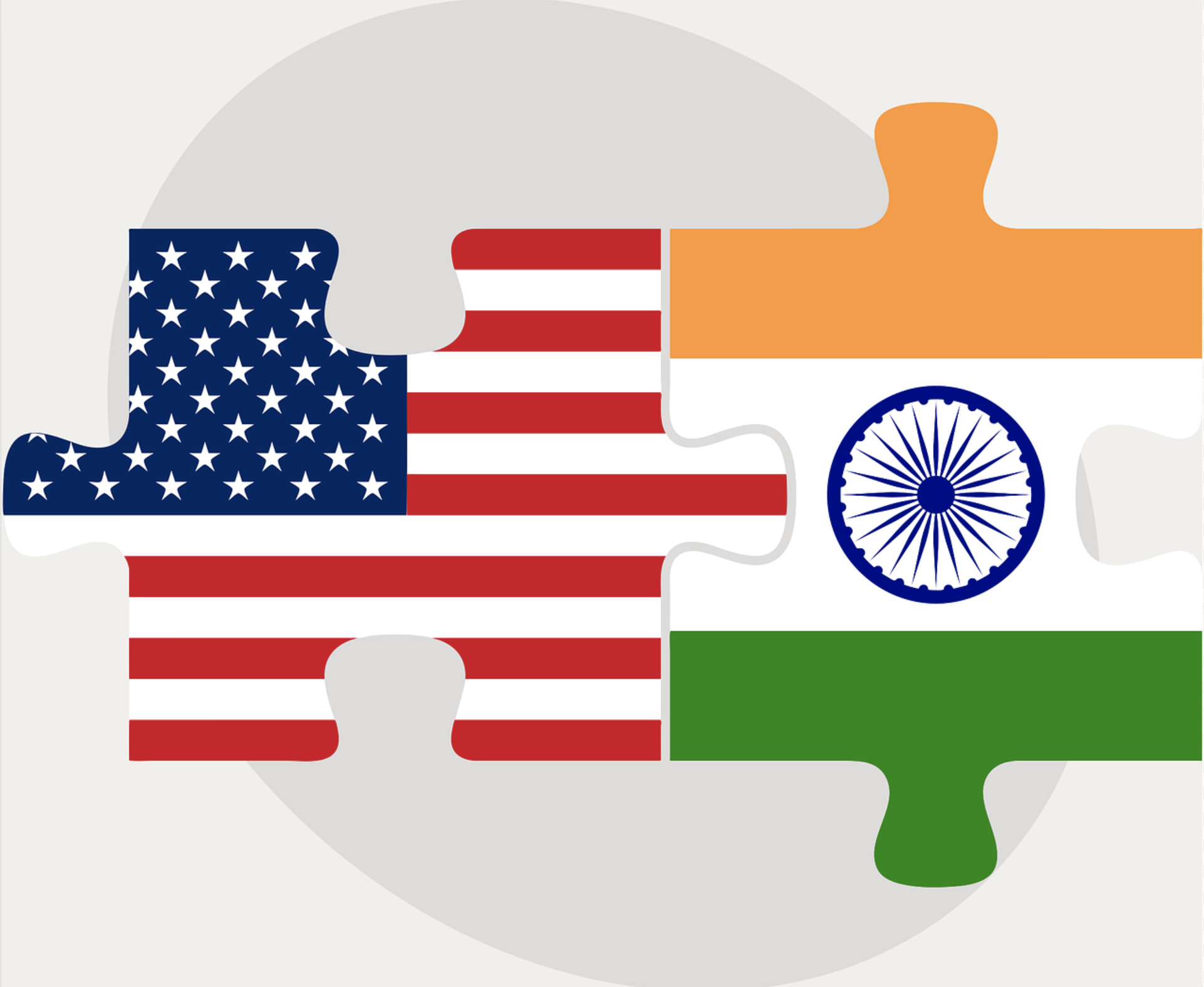
India-US Enhanced Strategic Partnership: Where does it stand today?

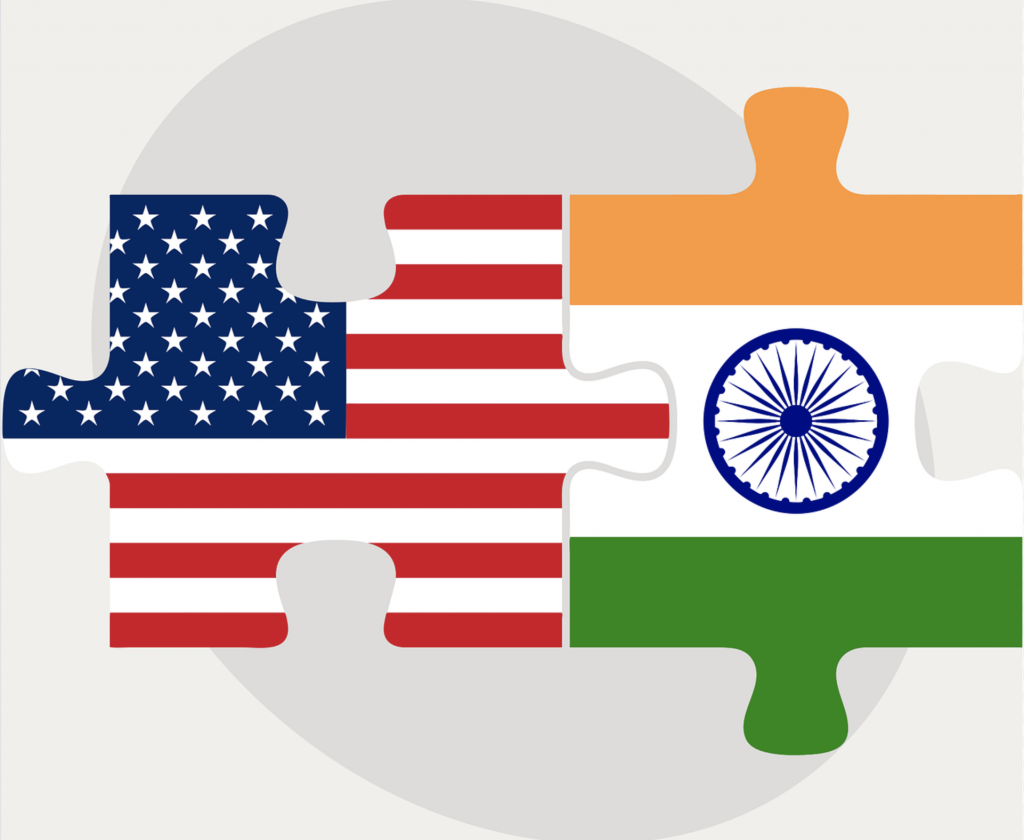
During the cold war, India and the Soviet Union have remained strategic partners of each other since the major bulk of the Indian defence needs were fulfilled by the latter. Likewise, even today India remains one of the biggest arms markets to Russia. However, soon after the cold war, when the US re-prioritized its policies vis-à-vis South Asia and the Pacific region. India found this change in US policies as an opportunity to further open its foreign policy options and quested for new alliances and partnerships. In this regard, both the US and India tended to enhance their relations which were to an extent slow during the cold war. In the later years during the Bush administration, in particular, the bilateral relations of both countries were significantly boosted. The signing of the US-India Civil Nuclear Agreement of 2005-06 is regarded by many as a watershed moment towards developing a strategic partnership. The subsequent US administrations continued with the trend and ultimately both the countries moved to establish a strategic partnership. This enhancement of relationship continues to date since the evolved regional dynamics have further paved the way for a long-term bilateral strategic partnership. With reaching new heights in recent years, the India-US strategic partnership has brought long-lasting implications for regional security.          

It is quite notably important to discuss that both countries have signed various defence procurement agreements worth millions of USD in recent years. These include the supply of high-tech military hardware for the Indian forces by the US. In this regard, the agreements of acquisition of various advanced platforms for the Indian Navy which include torpedoes, anti-ship missiles, helicopters, anti-submarine, and patrol aircrafts for the Indian Navy are quite significant. The US is also in the process of supplying Apache AH-64 helicopters to the Indian Army and the Indian Air Force. Apache is widely regarded as one of the most advanced helicopters available in the world. Moreover, there are various reports that India and the US might sign another landmark agreement for the supply of the National Advanced Surface to Air Missile System-II (NASAMS-II) to the former.

Apart from these agreements, the US has signed four very important and foundational agreements with India. Starting from the year 2002, these include; General Security if Military Information Agreement (GSOMIA), the Logistics Exchange Memorandum Agreement (LEMOA) of 2016 when the US gave the status of ‘Major Defence Partner’ to India. Later on, in 2018 both the countries signed an agreement named Communication, Compatibility, and Security Arrangement (COMCASA).  The last agreement in this regard, Basic Exchange and Cooperation Agreement (BECA) that was signed between the two countries quite recently in 2020 is very significant. Without going into the technical details, these all agreements are meant for enhanced high-tech military cooperation. Specifically, such agreements, the US has till now only signed with its closest partners; and now India is among them.              

While being deeply concerned and perhaps feared by the Chinese expanding foothold in almost every part of the world, the US has been trying to counter the latter for many years. In its quest of having a strong anti-China alliance in the region, India holds immense significance in the US strategic calculus. The US holds that while having a strong strategic partnership with India that would involve enhanced cooperation at the military, economic and diplomatic levels is a key to counter China. In this regard, the India-US ties have considerably become more materialistic in the last two decades as compared to the past.     

In addition to some of the above-mentioned materialistic dimensions of their enhanced strategic and defence partnership, both the US and India have been involved in another transnational regional alliance known as the Quadrilateral Security Dialogue (Quad) specifically in the last few years. In this regard, the March 2021, virtual summit of Quad leaders was meant to deliberate on a framework to further institutionalize the alliance. Many speculate it as a US’ move towards make-believe an “Asian NATO” intended to counter China. Though might be a bit exaggerated, however, the significance of this notion cannot be entirely negated since for NATO the common adversary was the Former Soviet, in Quad’s case, apparently, China has been regarded as a common adversary of the Pacific states. While India, though not a pacific power, but in order to contain China, has been equipped militarily and given a key role in all this arrangement. In pursuit of this, the US is significantly increasing the military capabilities of India. On the other hand, India under its aspiration of great power status is willing to accept such an enhanced role that aims to serve the mutually beneficial interests of both the US and India. This creates a security dilemma for Pakistan as well, since India has troubled relations with almost all of its neighbors in general and China and Pakistan in particular. With its enhanced military capabilities, India would be in a much better position to undermine Pakistan’s security. Consequently, the hostility between India and Pakistan would likely increase further. This would bring long-lasting implications for broader regional security.      Hence at the present, it becomes quite comprehensible that both the US and India pretend to have expanded their strategic partnerships on the pretext of cooperation on common regional interests. In this regard, however, it seems that the agenda of both countries is way divergent.  The US wants to contain China with its ability to establish and then maintain diverse alliances in the region. While India aspires to become a great power at any cost; in pursuit of this India might not be willing and even capable enough to confront China directly at least for the time being. India still has a long way to go to cope up with China since its internal problems and lack of cohesion are way bigger than its long-term aspirations. This is further evident from the way India was humiliated by China in the Ladakh-Galwan crisis of 2020. The situation seems to be not very different as of now or even might become a little bit more complex for India. In such circumstances, the region would likely become more vulnerable to crises. Last but not the least, Pakistan needs to remain vigilant of the changing regional dynamics and continue to further strengthen its relations with both China and Russia.