The nuclear deterrence established in 1998, between India and Pakistan, has lived to prevent major crises from escalating into an all-out nuclear war. The efficacy of the nuclear deterrence was duly acknowledged by both India and Pakistan in the Joint statement of 2004, recognizing each other’s nuclear capabilities as a factor of stability. India; however, soon manifested its discomfort with the idea of nuclear deterrence and opted for other coercive means to force Pakistan to behave in a certain desired manner.
By introducing Cold Start Doctrine (CSD) in 2004, which was later re-named as Pro-Active Operations (PAOs), India tried to overcome its strategic frustration by conventionally threatening Pakistan. The idea was to punish Pakistan through a limited conventional war without crossing Pakistan’s ‘perceived’ nuclear threshold. Adoption of PAOs doctrine was the classic manifestation of India moving towards strategy of compellence rather than submitting to the realities of nuclear deterrence. However, the introduction of ‘Nasr’ by Pakistan in the equation denied India to employ any conventional adventurism against Pakistan. This resulted in a doctrinal dilemma for India.
Indian inability to effectively operationalize and execute CSD/PAOs to punish Pakistan – in the face of its newly demonstrated capability to plug the perceived gaps – led it to adopt several other means and tools of compellence which included; surgical strikes, nuclear signaling, escalation dominance and preemptive counterforce doctrine to execute its strategy of compellence. Indian offensive posturing – emboldened under fascist Modi – indicate that compellence is delivered through adopting a war-fighting doctrine.
Compellence includes the actual use of force in addition to the threat of use of force and, therefore, only increases the risk of conflict/ crisis escalation. Deterrence, on the other hand, prevents both sides from initiating a war due to the threat of Mutually Assured Destruction (MAD). Thomas Schelling defines compellence as ‘direct action that persuades an opponent to give up something that is required.’ It also entails a mix of diplomatic, military and economic threats to compel the adversary to behave in a certain manner.
India’s strategy of compellence failed during the recent 2019 Kashmir crisis which led to an aerial confrontation between the two nuclear armed neighbors which was first since 1971. The surgical strikes used as a tool to compel Pakistan were countered by a measured response from Pakistan which reinforced Pakistan’s conventional deterrence. Indian conventional failure steered it to employ nuclear compellence by deploying nuclear submarine and missiles against Pakistan. The escalatory approach adopted by India to dominate the crisis was successfully thwarted by Pakistan’s conventional and nuclear deterrent.
Indian use of nuclear threats and aggressive deployments, following the undesirable outcomes of 2019 Kashmir crisis, demonstrate an Indian attempt to use its nuclear capability as a tool of compellence. The associated danger with nuclearizing compellence is the fact that a failure in employing compellence has the potential to outweigh any conceivable gains. In his seminal work, Kenneth Waltz identified this problem as he wrote, “One state may threaten to harm another state not to deter it from taking a certain action but to compel one.” This is precisely the situation taking shape in South Asian scenario. He further explains what role the intent plays along with possession of nuclear capability as he writes, “If nuclear weapons make the offence more effective and the blackmailer’s threat more compelling, then nuclear weapons increase the chances of war…”
Like Napoleon III threatened to bombard Tripoli, if the Turks did not comply with his demands, Modi threatened Pakistan with Qatal ki Raat – a night of massacre. Modi’s blackmail did not stop at mere statements and escalated to deployment of nuclear capable missiles and submarines against Pakistan in a bid to demonstrate Indian capability to dominate escalation which in itself is a risky venture.
The risks associated with use of nuclear capability as a tool for compellence demand that India and Pakistan reaffirm the stabilizing role that nuclear capability has played and can play in avoidance of war and establishing durable peace in the region. For this, it is important that other cooperative means are employed to address the root-causes of hostile relationship and outstanding disputes. In a nuclearized environment where mutually assured destruction is a reality, use or threat of use of force is not worth the risk for any elusive desirable outcomes.
Overt nuclearization of South Asia in 1998 and preceding crises between India and Pakistan have brought the concepts of nuclear deterrence and compellence in limelight in this region. These concepts are the legacy of advent of nuclear weapons and the Cold War that ensued. Although there is no universally accepted definitions of these concepts but generally, nuclear deterrence is defined as forcing a rival to stop a move by threatening the use of nuclear weapons and compellence is about forcing a rival to make a move by threatening the use of nuclear weapons.
Looking at the crises, such as, Kargil Conflict, Twin Peak Crisis, Mumbai Crisis and most recently the Kashmir Crisis of 2019 that occurred between two nuclear rivals in South Asia, nuclear deterrence seems to be the clear winner. Despite serious Indian intensions of attacking and dominating Pakistan, nuclear weapons have deterred all these moves and stopped the crises from escalating. The nuclear deterrence, therefore, has been the corner-stone of stability in the region.
The trigger for majority of the above-mentioned crises were the militant attacks in India, which it blamed on Pakistan as a knee jerk reaction without providing any solid evidence. The Indian strategic community, including officials and non-officials, accused that Pakistan is supporting proxy wars within India and nuclear deterrence has not been effective in stopping Pakistan from supporting the militant groups. This strategic frustration urges them to explore new means and thus favor nuclear compellence as a viable strategy towards this end. The adoption of proactive military strategies, such as Cold Start and Land Warfare Doctrine, possible revision of claimed adherence to NFU commitment and the so-called surgical strikes by India are different variants of this compellence strategy.
After nuclear deterrence neutralized India’s conventional military superiority over Pakistan, it has been continuously exploring the space to engage Pakistan in a limited warfare under a nuclear overhang. Towards this end, New Delhi simultaneously uses the mantra of two-front war and the so called challenge of cross-border terrorism as pretext to justify its increasingly offensive military posture. Recent events also indicate that the Indian military forces have become a tool for political leadership to achieve their domestic political interests. The afore-mentioned mantra allows India to allocate resources for advanced military capabilities and also using military skirmishes with Pakistan for meager electoral objectives. India projects to its populace that the burgeoning military potential would allow its forces to punish Pakistan and compel it to change its alleged support for terrorism. This pursuit of nuclear compellence against Pakistan is a dangerous trajectory and destabilizing for strategic stability in the region. Compellence requires strong military muscles, for that, India is improving its nuclear and conventional military forces both quantitatively and qualitatively. In a nuclearized environment, such an approach only exacerbates the risk of conflict escalation between the arch rivals.
According to SIPRI Year Book 2020, India is the second largest importer of major arms and with defence budget of $71.1 billion has become the third largest military spender in the world surpassing Russia and Saudi Arabia. It has signed a contract with France for the purchase of 36 Rafale fighter aircraft, 9 of which have been delivered. The Indian officials have termed these aircrafts as game changer in the region and also claimed that if India possessed this capability earlier the outcome of 2019 Kashmir crisis would have been different. India is also moving towards the development of BMD system and has signed a deal for the acquisition of S-400 from Russia. This BMD system can give India a false sense of security and encourage them for proactive military strike against Pakistan.
In the nuclear domain, different studies have shown that Indian nuclear weapons making capability is much more than what is portrayed. A study titled ‘Indian Unsafeguarded Nuclear Program’, published by the Institute of Strategic Studies Islamabad (ISSI) and co-authored by four nuclear scholars, estimated that India has sufficient material and the technical capacity to produce between 356 to 492 nuclear bombs. Similarly, another study by Dr Mansoor Ahmed for Belfer Center, estimated that India has fissile material for approximately 2261 to 2686 nuclear weapons.
Indian military modernization that contributes to its strategy of compellence, ambition of becoming a regional hegemon and a net security provider has ramifications for regional strategic stability. The 2019 Kashmir crisis has shown that both countries are willing to go an extra step in a nuclearized environment, which is unprecedented in the nuclear history of South Asia. Air Force of both the countries engaged in a combat and an Indian fighter plane was shot down and its pilot captured by the Pakistani authorities. The crisis de-escalated only because of restraint shown by Pakistan and its decision to release Indian pilot, otherwise, the crisis could have gone above on the escalation ladder.
The current Indian political regime under Prime Minister Narendra Modi is hell bent in its rhetoric of teaching Pakistan a lesson. There are statements by the political and military leadership that Pakistan’s Azad Kashmir will be their next target after they have changed the constitutional status of IIOJ&K. This is a dangerous trajectory and can have consequences for India-Pakistan deterrence relationship.
It is a fact that both India and Pakistan are nuclear weapon states and it is very difficult for one nuclear state to compel the other nuclear state. This compellence strategy in a nuclearized environment can easily escalate the crisis to a nuclear war. Therefore, Indian compellence strategy against Pakistan is filled with escalatory dangers and putting the regional and global stability at risk.
Integrated combat systems represent the new generation of warfare equipment, and they differ fundamentally from their predecessors. Military gear was simply juxtaposed and coordinated, for many centuries. They are now in charge of their own coordination and represent the central hub in combat-centric networks. They were systems for millenia. They are now systems of systems. The world’s leading military powers have understood this, and their respective industries are adapting to the change, as fast as they can. Indeed, this is no small change.
Systems have become the centerpiece. In the delicate art of balancing military forces, the lethality of a nation (or group of nations) is not embodied by the simple addition of jets, tanks and boats. In fact, it is built on the capacities for all players on the field to bring their specific systems into one working order. Each military system is a component of the Military System. They must be able to mobilize their men and equipment as one, in a resilient but flexible fashion, towards the objective given by command. On the defense side, they must also be able to react to all threats, whether foreseen or not, as one single organism each system using its own capacity to assess. These “systems of systems” give military superiority to those who integrate them the best, on all levels: tactical, operational and strategic. But this integration is a subtle mix of men, equipment, and more or less autonomous units.
The 2003 invasion of Iraq was one of the earliest and best illustrations of what advanced integration can achieve. While the US forces were certainly superior to Iraqi defenses, Baghdad was a force to be reckoned with, especially by an expeditionary army. And yet, with all units, men, and gear working as one in a perfectly oiled machine, the American war machine just rolled across the country.
More recently, the Russians developed what Western analysts have dubbed a “hybrid war”, in Crimea and the Ukraine, with the perfect synchronization of covert forces and conventional ones, and the advanced interaction of low-intensity influence operations with high intensity moves. This indicates strong strategic maturity, but also has required many technological leaps.
Russia produced proof of how their combat systems, integrated within an “intelligent” battle apparatus, could change dynamics in the case of Western confrontation, during the Ukraine conflict. Strategy analyst Sebastien Roblin writes: “Perhaps Russia’s most successful deployment of this ability is in its ongoing conflict with Ukraine, where a 2017 Army study detailed the devastating effectiveness of its electronic warfare capabilities in shutting down Ukrainian FM radio and cellular networks. Jammers, which disrupt command signals, brought down over 100 Ukrainian drones, while signals intelligence was used to target deadly artillery strikes.” Again, the Russians’ integration of drones and robotics into pre-existing combat systems, deployed in Syria, has shown promise. Unfortunately for Bashar Al-Assad, Turkey is also making heavy (and successful) use of drones and drone-assisted weapons against the regime and its associates.
Turkey also, to its dismay, provided a counter example of integration, in the same war. Despite using top-grade German main battle tanks, its armored divisions were severely thrashed by considerably inferior forces. The German Leopard-2 tanks were used in a stand-alone configuration, away and disconnected from supporting troops. The insurgent enemy, inferior in every way, used integration, coordination and communication to turn the table around on them. This proves that “adding forces to forces” is senseless, military speaking, and that Turkey needs to mature its art of warfare.
Additionally, understanding the importance of integration is not enough for a military force to jump that gap: the rest must follow. Indeed, the industrial apparatus which supports the military force must be profoundly re-cast, so that all elements which intervene on the battlefield may coordinate seamlessly.
The systems integrator is the new orchestra conductor. The industrial firms in charge of integration are currently integrating systems which could do most of the coordination themselves, leaving only the decision-making to their human commanders. This applies to all fields: Lockheed is doing it for American aerospace, Dassault is doing it for European aerial forces, and KNDS is doing it for European land forces. These projects can reach immense levels of complexity, such as the F-35 program, or Dassault’s manned-unmanned aerial forces. BAE and Bath Iron Works are expected to push naval integration further strongly, in coming years. Naval analyst Kris Osborne writes: “A fast growing fleet of USVs, it would appear, could bring the promise of greater forward-deployed command and control, along with an increased ability to integrate a range of otherwise separated functions. For instance, it seems entirely plausible that a new medium Unmanned Surface Vehicle could combine submarine hunting with mine-countermeasures, command and control and surface attack.” Russian defense contractors are also in the game, and have achieved a high level of integration around their Armata main battle tanks, as reported by RT: “The new electronics will make the tanks part of a network which also includes drones, electronic countermeasure systems and targeting devices. The creators say it will take less than a minute after a target is detected for its exact coordinates to be transferred to weapons crews.”
This implies that tender procedures be heavily modified, as recently was explained by French defense minister Florence Parly: “There will be a greater cooperation between the DGA, Joint chief of staff and Chief of staff of each of the services, with teams working together in the same office area. […] There is a search for greater speed by merging the operational requirements set by the services with the technical needs drafted by the DGA. The forces and DGA will, with a prime contractor, draw up a single document setting out requirement. This combined approach will be tested on a new internal communications system for the ministry.” In the wake of this political impulse, the entire French defense ecosystem has gotten in coordinated motion, despite most industrial players being private. The Defense Innovation Agency (AID) is coordinating innovation to ensure rationalization and efficiency, and French integrators are maintaining high levels of private research and development. For example, Nexter has pushed forward French defense capacities on its own initiative, rather than waiting to be asked to perform a task by the French State, with the development of the Scorpion battle lab. This project was largely developed on private funds, instead of being funded by a development contract.
With such staggering complexity, the number of defense companies which are up to the task has fallen drastically. Manufactures which were at the top of their market because their guns shot further, or packed more of a punch, are now in the second, or even third, tier of manufacturers. They are directed, in their industrial efforts, by the systems integrator, who is charged with bringing the entire system-of-systems coherently together. The integrator must therefore be built for the task, and everything, from human resources to R&D departments, must be centered on the outcome. Put in a nutshell, a producer is tasked with providing an item, in compliance with technical specifications. An integrator is tasked with providing a capacity. As strategy analyst James Grant says: “America’s military might is predicated on its long-distance power projection capabilities—the ability to bring overwhelming force in the form of troops, ships, aircraft, and missiles to any corner of the world in a short period of time” – something which, until now, required an immense amount of coordination.
The integrator therefore holds a crucial role, as the one in charge of the proper deployment of programs. The British were reminded of this, the painful way, when lack of coordination between the integrator and the subcontractors led to dramatic delays on their carrier program, thus denying them strategic capacity and considerably harming defense budgets. Defense News Andrew Chuter wrote: “The NAO said the Lockheed Martin-led program to install Crowsnest radars on Royal Navy Merlin helicopters is running 18 months late and will impact how the British carrier strike force is initially deployed. The watchdog said the MoD is working to come up with an acceptable baseline radar by the time HMS Queen Elizabeth undertakes its initial deployment next year.” Defense firms can no longer drop a heap of military equipment on a parking lot, sign the delivery sheet and drive off: they are now responsible for coherence and capacity, throughout the life of the program, through maintenance, upgrade and optimization contracts.
Europe is shaping up. The main military powers of the old continent are profoundly re-shaping their defense, with the help of private partners on the military industrial market. States no longer have a large rolodex filled with defense contractors: they now pass their orders to systems integrators who, in turn, coordinate the fold of subcontractors and suppliers. French Nexter is the first example of such State counterparts, along with British BAE and German KMW. German Rheinmetall is also inching towards this status, through in-depth reorganization, and could reach it in a couple of years. Nexter and KMW both hold extraordinary financial reserves, which they use for research and development, instead of placing that task on the taxpayer, as many defense industries do. These private firms launch in “skill-building” programs and do not await simply their States to fax orders: much of the push for innovation and progress comes from the integrators themselves, as the latest EU defense report indicates. On pages 56 to 63, can be found the high number of large-scale initiatives which were launched by the integrators to reinforce European defense and sovereignty.
This new defense configuration has also brought a strategic shift: international cooperation. Aware that only those who cooperate will remain competitive, European defense integrators have used international and intergovernmental relations to form new-generation alliances, such as KNDS. IFRI Daniel Fiott writes: “Industry is doing its part for European defense. In 2015, French-owned Nexter Systems joined forces with the German firm Krauss-Maffei Wegmann to create KNDS, a European leader in land defense systems. French and Italian shipbuilding companies are also looking to advance a joint venture to develop and produce warships.” Systems integrators are therefore integrated transnationally, regardless of national borders, a trend which was first set by the European Airbus giant. The land defense industry will not be spared by this metamorphosis, and cutting-edge programs for the future, such as SCAF or MGCS, hinge on energetic and solid international cooperation. These two main programs will shed light on which European countries have assumed leadership on the continental level, by acquiring a systems integration capacity. France and England have long established such positions, while Italy has given up on the idea, and Spain is quickly following suit. Germany is in the process of acquiring the strategic capacity, and future German Ambassador Hans-Dieter Lucas will probably seize the opportunity of these programs to consolidate the Franco-German relationship and build his legacy – thus assisting Defense Secretary Benedikt Zimmer in the promotion of the programs and in the national acquisition of systems integration capacity. As many countries, in the past, have expressed interest, in one form or another, in the programs (Italy, Spain, England, among others), these could also be the opportunity to steer European relations back to normalcy for Germany – as in maintaining ties with England after Brexit, for instance.
A new nuclear era began by the end of 20th century when India and Pakistan emerged as nuclear armed states. Both states had covertly weaponized the nuclear program years ago, but no overt display of nuclear prowess took place by either side till May 1998. The Indian motives behind testing the nuclear weapons were primarily driven by the political ambitions and electoral commitments of newly formed BJP Government. Under the code name Operation Shakti, India first conducted four successful fission weapon tests on May 11, and then two days later, a partially successful fusion weapon test in Pokhran range. In the aftermath, India began to display very assertive behavior against Pakistan – a state which as per popular Indian assumption was a nuclear bluff.
The intensification of South Asian political atmosphere and a major disturbance in regional strategic balance compelled Pakistan to exercise the similar response. Henceforth, unlike India, Pakistan nuclear testing was a purely security oriented decision. Pakistan tested five underground nuclear tests in Chagai on May 28 – codenamed Chagai I, followed by another test – codenamed Chagai II, on May 30. The psychological impact of nuclear testing instantly altered India’s provocative attitude to a stance of developing regional harmony by building up Confidence Building Measures (CBMs) between New Delhi and Islamabad. A mutual political realization developed on both the sides – as was evident in Lahore accord – that fighting wars was no longer a practical option in South Asia.
In contrast, the military propositions were very different. As per Vipin Narang, the testing of nuclear weapons upgraded the nuclear posture of Pakistan from an ambiguous catalytic posture to a more credible asymmetric escalation posture. Asymmetric escalation posture is an aggressive nuclear posture that involves the assertive employment of nuclear weapons to deter adversary by threatening the first use against both conventional and nuclear aggression. This posture is followed by a state equipped with comparatively less capable conventional prowess and is directed to nullify the deterrent value of adversary’s superior conventional capabilities.
Interestingly, the nuclear tests didn’t alter the retaliatory nuclear posture of India. By nature, asymmetric escalation posture is purposed to deter major conventional escalation, and a retaliatory posture is structured to deter the use of nuclear weapons in the conflict. Therefore, the posture transformation gave Pakistan the incentive to breach India’s conventional deterrence and exercise limited military operation in the Kashmir region. There were two primary assessments by Pakistan military leadership regarding this covert operation. First, a regional conflict in the Kashmir region will highlight the Kashmir issue internationally; and second, India will not be able to escalate the conflict into full scale war due to risks of involvement of nuclear armaments. By 1999, Pakistan had also raised multiple delivery systems in its disposal for carrying nuclear payload to the Indian mainland – a capability which had consolidated the credibility of Pakistan’s nuclear deterrent. Hence, it can be stated that the abrupt change in nuclear posture of Pakistan after nuclear testing led to such strategic calculations that may have triggered Kargil conflict.
In the winter of 1998-1999, Pakistan army initiated operation Koh-e-Paima (Ops KP) in the Kashmir sector. By successfully exploiting the gaps in Indian defense line, Pakistan’s land forces (pre-dominantly comprising of regional paramilitary force called NLI) infiltrated deeply within multiple sectors across the Line of Control (LOC). India discovered the intrusion in early May 1999 and initially attempted to retake the lost territories using ground forces. Unaware of the intrusion scale, the hectic attempts by the Indian military caused disastrous loss of life and failed to achieve any meaningful result. Despite demands from the Indian military, New Delhi refused to allow the opening of new fronts.
This refusal is attributed to the risks of nuclear escalation which Indian political leadership considered as a viable threat. In fact, during an official meeting, when Gen Malik stressed upon the idea of threatening Pakistan with expansion of conflict, Indian Prime Minister Vajpayee refuted his proposal citing the presence of nuclear bombs in Pakistan’s disposal. This proves that the nuclear weapons deeply influenced the decision-making process, both at the military and the political levels, throughout the Kargil conflict and played major role in limiting the conflict.
By May 24, the worsening situation in war theater finally led New Delhi to escalate the conflict, and employ the Indian Air Force (IAF). The IAF deployed fighter aircrafts for both air defense as well as for ground strike missions. Despite having the advantage of unchallenged airspace, early missions by IAF received limited success and it lost two fighter aircrafts (Mig-21 and Mig-27) and a helicopter gunship due to enemy ground fire. These losses compelled the IAF to switch to high end assets like Mig-29 and Mirage-2000 and strike overstretched supply lines of intruding forces, instead of directly engaging the enemy defensive positions.
The beyond visual range (BVR) combat capability of Mig-29 aircraft allowed the IAF to sustain complete air control of the war theater. Similarly, the employment of laser guided bombs (LGBs) from Mirage-2000 aircraft permitted the IAF to strike targets with precision while flying at high altitudes. The blockade of supply routes slowly began to compromise the resistance of intruding forces. This escalation tilted the tactical advantage in favor of the Indian armed forces – an aspect which was not correctly calculated by Pakistan’s military establishment.
Pakistan, on its part, didn’t attempt to match the vertical escalation and maintained a defensive conventional posture till the termination of the conflict. The disagreements between political and military leaderships regarding the scope and feasibility of continuation of the Kargil conflict undermined the prospects of achievement of the perceived war objectives. The diplomatic pressure from Clinton administration on Prime Minister Nawaz Sharif, lack of diplomatic support from international community, and heightening of tensions, compelled Pakistan to withdraw from the occupied territory. Though Kargil conflict came to an end, but it led to permanent environment of distrust between both the nuclear armed neighbors. Kargil conflict was the very first example of direct conventional confrontation between two nuclear armed states testing the limits on both the sides in a tense combat environment, and which had the potential to escalate to the nuclear scale.
Once compared to previous conflicts between the two neighbors, Operation Koh-e-Paima appears a reflection of Operation Gibraltar (1965) which eventually ended into a full-fledged war. In 1965, following Operation Gibraltar and then Operation Grandslam from the Pakistani side, India retaliated and crossed the international border and opened multiple fronts against Pakistan’s mainland. The escalation of a limited conflict into a full-scale war compelled Pakistan to abandon offensive operations in Kashmir and undertake defensive countermeasures against Indian offenses across the international border. A multi-front war was more favorable to the Indian armed forces due to its numerical advantage which ultimately ended up as stalemate.
In contrast, during the Kargil conflict India was unable to exercise expansionist course of military action. Instead, the Indian armed forces escalated the conflict vertically by introducing air force but did not open new fronts or crossed the international border. The major reason for this containment could be attributed to the risk of potential nuclear escalation.
When Kargil conflict is visualized from a nuclear perspective, it illustrates five major lessons. First, a sudden change in nuclear posture could lead to strategic miscalculations that could end up into a military conflict in a volatile region; second, an assertive nuclear posture undermines the credibility of adversary’s conventional deterrence; third, feasibility of fighting a limited conventional conflict between two nuclear armed belligerents do exist – albeit narrowly; fourth, nuclear weapons successfully deter expansion of a limited war; and finally, nuclear weapons – particularly while maintaining a retaliatory posture, cannot credibly deter the start of a limited conflict, and therefore modern conventional forces are required to counter low-spectrum conflicts.
The Kargil conflict significantly altered the threat perceptions of India and Pakistan. Later, the failure of Operation Parakram (2001-02) encouraged India to alter its posture and prepare to fight a swift and limited war, instead of a war of attrition. India eventually abandoned the Sundarji Doctrine and developed a Cold Start Doctrine (CSD). In response, Pakistan also evolved its new doctrine to counter the entire spectrum of conflict, which besides developing other options, involved the lowering of nuclear threshold by employment of tactical nuclear weapons and increment in robustness of conventional forces for effectively thwarting a localized conflict. The lessons of Kargil have not transformed the deterrence pattern in South Asia, but has established new benchmarks for escalation control and minimize the risks of inadvertent escalation of a conventional conflict to a nuclear one.
Nuclear posture is the confluence of a state’s overall military structure, command and control, rules and procedures of employment and targeting, and the physical characteristics of nuclear weapons and their delivery systems. If nuclear doctrine represents the declaratory stance of a state regarding nuclear forces, then nuclear posture dictates the operational axis of nuclear forces. Nuclear postures can be classified into several categories and, unlike nuclear doctrines, can provide crucial information regarding the behavior of states which either have not declared their nuclear prowess or in the process of developing nuclear capability. Vipin Narang has formulated the term catalytic posture to represent the posture of state with undeclared or ambiguous nuclear prowess, and he has applied the same terminology to describe the posture which Pakistan maintained throughout its covert nuclearization phase, i.e. 1974-1998. As per Vipin, catalytic posture involves the military or diplomatic intervention of a third party – often the United States – on the behalf of the allied state which is facing a significant threat to its vital interests and has ambiguous nuclear capability. The catalytic posture is, thus, based upon preconditions: first, the state’s nuclear program is either in the developmental phase or the initial phase of maturity; and second, the state must have a considerably warm relationship with a major power that can provide patronage at the time of crisis.
The strategic calculations of Pakistan altered significantly after the 1971 Indo-Pak war. The loss of its eastern flank and the failure of an intervention on part of the international community created the realization within the governing apparatus that Pakistan, as a sovereign state, could no longer rely on security commitments provided by global powers and instead needed a nuclear deterrent of its own for its security requirements. The Indian nuclear test in 1974 – the so called Peaceful Nuclear Explosion (PNE), proved New Delhi’s ambitions of nuclear weaponization and further catalyzed the progression of Pakistan’s nuclear program.
For the development of nuclear weapon technology, Pakistan followed a dual approach and henceforth established two institutes, i.e. the Pakistan Atomic Energy Commission (PAEC), which followed the route of Plutonium Re-processing technology; and the Kahuta Research Laboratories (KRL), which adopted the path of Uranium Enrichment technology for weapons development. This dual approach allowed Pakistan to simultaneously pursue two different routes of nuclear weaponization.
In the late 80s, the Soviet-Afghan war and the subsequent joint participation of the United States and Pakistan reinforced the Pak-U.S. relationship. From a security perspective, the warmth of the relationship benefited Pakistan in two primary ways. On one hand, Pakistan acquired modern conventional weapons from the U.S., and on the other it utilized the political cover of the Ronald Regan administration to mature its nuclear program using the strategy of sheltered pursuit. Sheltered pursuit is a nuclear proliferation strategy which is followed by a hedger state to advance a nuclear weaponization program using the political and strategic cover of a patron state. This efficient strategy has, so far, been successfully executed by Pakistan and Israel using the United States as a patron. The Regan administration, admiring of the Zia regime’s contribution to the Soviet-Afghan war, was under the impression that it was ‘killing two birds with one stone’, i.e. by supplying advanced conventional weapons to Pakistan, it was denying the need for Islamabad to consider unconventional defenses.
In 1986, India initiated the multi-phase Brasstacks military exercise and deployed nine army divisions in the Rajasthan and Punjab sectors in combat posture. The apparent Indian political ambition was to use this combat exercise as a tool to coerce Pakistan into abandoning its support for the Khalistan insurgency in Indian Punjab. At the time India initiated Brasstacks, the Indian army had already raised 26 armored regiments and had a numerical advantage of 2:1 against the Pakistan army. The mainstay of the Indian armored corps was the Soviet-origin T-72M tank which was superior to any tank type within Pakistan’s arsenal. The Pakistan army had advanced anti-tank defenses and fire support assets supplied by the United States, but with the Soviet Union on the Western front and India on the Eastern front, Pakistan’s armed forces were overstretched. Similarly, the qualitative edge of the Pakistan Air Force F-16 Blk15 fleet had been matched by the Indian Air Force which first procured the Mirage-2000H from France and then the Mig-29 Fulcrum from the Soviet Union. Henceforth, despite receiving military support from the United States, Pakistan’s conventional forces were still not in a position to conventionally deter the numerically superior and qualitatively matched Indian armed forces.
The Chief of the Indian Army, Gen. K. Sundarji, was reportedly acting autonomously beyond the commands of New Delhi, and there was growing ambiguity regarding the final objectives of such a large-scale exercise. As per Lt. Gen. P. N. Hoon, who was then heading the Indian Army Western Command, “Brasstacks was no military exercise. It was a plan to build up a situation for a fourth war with Pakistan.”
The options available to Pakistan were limited and complex. On one side Gen. Zia had to abide by his commitments with Washington that Islamabad would not develop a nuclear bomb, and on other side, deterrence was necessary to thwart any possible Indian offense. Although by March 1984 both the PAEC and KRL had cold-tested nuclear weapon designs, a credible delivery platform was absent. Theoretically, these nuclear devices were deliverable by C-130 Hercules aircraft operated by the Pakistan Air Force, but these cargo aircrafts were highly vulnerable to enemy air interceptors and air defense systems. Therefore, it can be claimed that at the height of the Brasstacks crisis, Pakistan was still a latent nuclear state as it lacked a credible nuclear payload delivery system; moreover, its ability to actually detonate a nuclear weapon was uncertain – at least in the eyes of the Indian establishment. Above all, an assertive display of nuclear capability for deterring India would have created a major rift in Pak-U.S. relations – something which was neither in the interests of Pakistan nor of the United States. There was also growing concern within Pakistan’s leadership circles that India might exploit the crisis for triggering a conflict and use that to pre-emptively strike Pakistan’s nascent nuclear infrastructure – a move akin to Israel’s air strikes on Iraq’s Osiriq nuclear plant.
Pakistan’s responsive strategy, despite all the complexities involved, was well-calculated and it delivered the requisite results. On one side, Pakistan counter-deployed its armed forces, and on the other it increased the scale of activities linked with nuclear proliferation as a sign of resolve that Pakistan would exercise all options – the ones already at its disposal as well as the ones which could be made available in near future – to safeguard its sovereignty from external threats. These visible activities were perceived by United States as a possible shift within Pakistan’s nuclear policy, meant to address the security challenges posed by India’s assertive deployments. The result, as per Washington’s perception, would have been nuclear proliferation by Pakistan to get the weapon ready as soon as possible to credibly deter India-centric threats. The entire situation compelled Washington to intervene with diplomatic efforts for de-escalating the Indo-Pak crisis. Chari, Cheema and Cohen have summarized Pakistan’s strategy as such: “American intervention came in as they were worried about changes in Pakistan’s nuclear status that would lead to termination of American military sales and other forms of aid, directly endangering the war efforts in Afghanistan.” Moreover, “Pakistan’s nuclear threats fit into a larger Pakistani strategy: that of linking its own nuclear program with an American commitment to defend Islamabad from an Indian attack.”
Nonetheless, the combined effect of American diplomatic efforts and Gen. Zia’s cricket diplomacy finally settled the crisis, which had been at its peak in January 1987, by the end of February the same year. The U.S. Ambassador John Dean was tasked to act as a moderator to ensure the orderly removal of security forces from both sides of the border. The Brasstacks crisis was the very first litmus test of Pakistan’s strategic framework involving the combination of a nuclear deterrent and diplomatic projection for crisis management. It provided insight into how the nuclear forces can be used to formulate a certain nuclear posture according to threat perceptions, and how that posture then affects the course and termination of any major security crisis. The Brasstacks exercise also highlighted the vulnerability of nascent nuclear capability against the superior conventional prowess of an adversary and proved the importance of conventional defenses – which can, not only better deter low-end conflicts, but also supplement the credibility of the nuclear deterrent for thwarting high-end conflicts. For Pakistan, the need of credible delivery options was realized as the lack of a potent delivery system was the core reason why the Indian leadership had not been deterred by Pakistan’s nascent nuclear prowess, and had instead required the patronage of the United States in crisis dissolution. The learnings of the Brasstacks crisis were applied during the Kashmir crisis (1990) when Pakistan successfully deterred India, predominantly due to its nuclear posture, despite the bitter Islamabad-Washington relations in the wake of the Pressler Amendment.
The inevitable repercussions of Indian nuclear stockpiles remain unworthy for the international community to probe. The immediate threat of nuclear arms race in South Asia can only be prevented with the precedent of demonstrating peace and stability in the region.
The 2020 Jane’s International Review study, India looks into its Uranium Options, hinted an alarming situation that needs immediate attention from the global community to understand the Indian aspiration for exploring unlimited options for fissile material stockpiles. The report highlights three main sources of unsafeguarded International Atomic Energy Agency (IAEA) uranium supplies in India. The first source is from its domestic Thorium reserves, the second is from its overt foreign procurement, and the third is from its huge imports of uranium-rich phosphoric acid for fertilizers from Jordan.
Indian desires to get a hold over the world’s fissile material stockpile are also observed in the literature. Thorium is a major potential driving force behind military-driven Indian Prototype Fast Breeder Reactors (FBRs) that are facing technical glitches from their first early operational date in 2010. Also, India’s world famous reserves have gathered foreign attention from states like U.S., which appears to be the major thorium exporter from India.
Another edited book, Indian Unsafeguarded Nuclear Programme: An Assessment,by Institute of Strategic Studies Islamabad (ISSI) reflected that India’s unsafeguarded nuclear fuel has the potential to add 356 to 493 plutonium nuclear warheads to its weapons stockpile. The FBRs in India can produce 144kg of weapons-grade plutonium and can assist India in developing 28 nuclear warheads per year. With such developments, India’s nuclear arsenal is already on its way to become the third-fastest growing nuclear arsenal after U.S. and Russia. All these studies raise questions on the 2020 SIPRI database on World Nuclear Forces for not reflecting on the unsafeguarded Indian nuclear fuel and presenting the controversial guesstimates on India retaining 160 nuclear warheads.
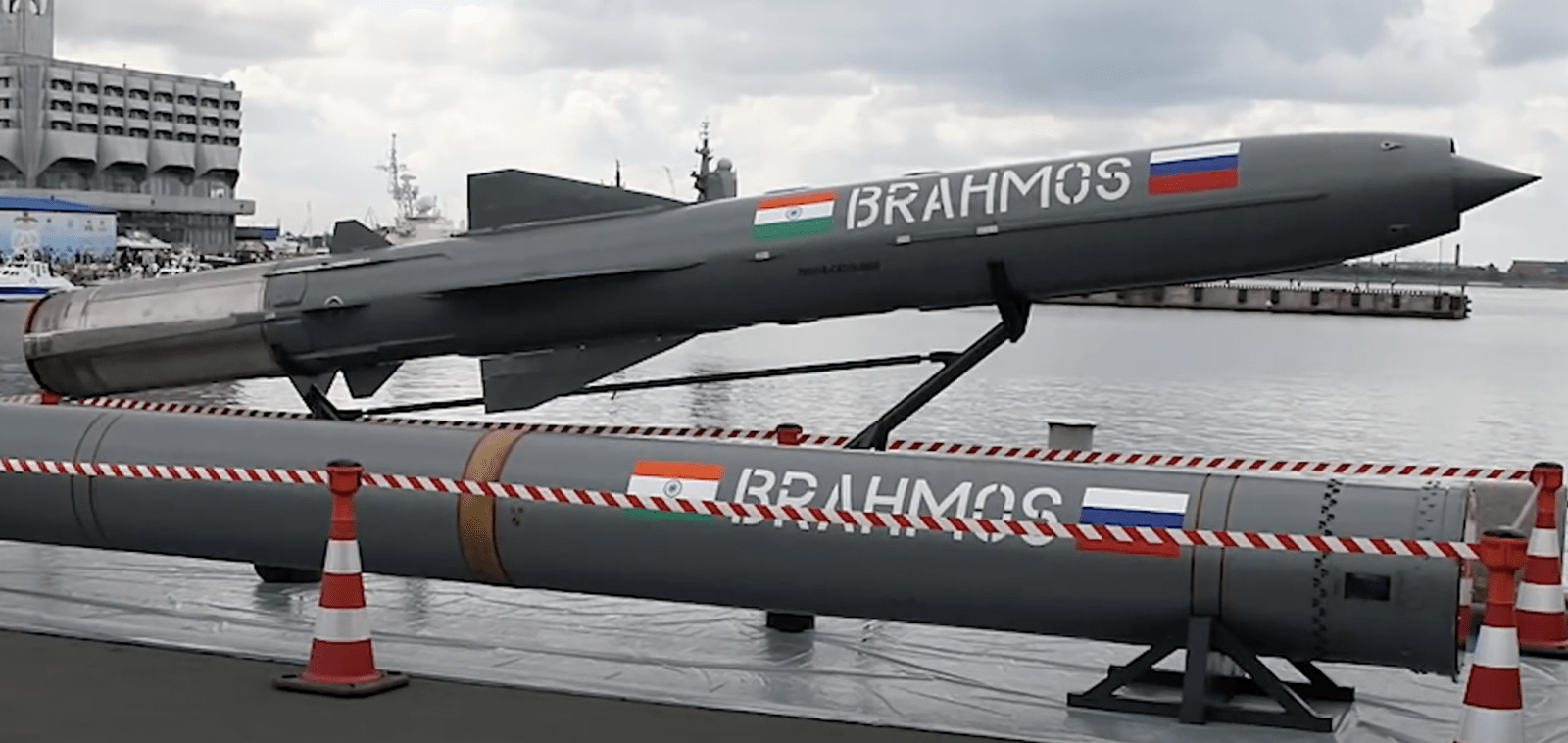
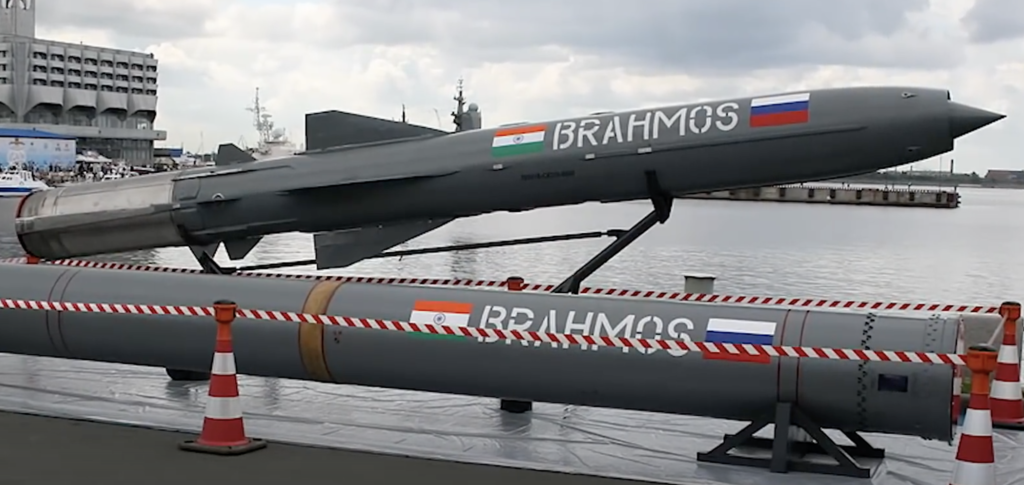
Other Indian media reports quoted Mr. Sivathanu Pillai, President Project Management Associates, and former CEO and MD of BrahMoS Aerospace, saying that India covered 25% of the world’s Thorium and India should lead in Thorium-based reactor technology. The Indian Department of Atomic Energy (DAE) also mentioned that India possessed a total of 12.467 million tonnes of thorium deposits.
The 2019 Report on Analysis on the Thorium Market in India, 2018-2023 acknowledges that with the expanding Indian civil nuclear energy programs, weak export controls of nuclear fuels, and zones of domestic instability, the Indian nuclear power industry requires the implementation of stronger nuclear security policies, but the country is lagging in this area due to inadequate regulation of the nuclear sector.
Indian officials have hinted at India’s necessity for 350-450 nuclear warheads, including thermonuclear warheads. India is also diverting reactor-grade plutonium from its unsafeguarded nuclear facilities and intends to utilize such fissile material in its naval propulsion program.
Moreover, India also found world’s largest uranium reserves in its southern state of Andhra Pradesh. The Uranium Corporation of India Limited (UCIL) is eager to start 13 uranium mining projects aimed towards increasing its production by up to four times in the near future. Despite this, India aims to seek more uranium for its civil nuclear plants from Nuclear Suppliers Group (NSG). This step will contribute in freeing up its national uranium reserves that can be used for military purposes, resulting in changing the status quo.
The 2017 Belfer Centre report on India’s Nuclear Exceptionalism Fissile Materials, Fuel Cycles and Safeguards has summed up the greater implications of Indian fissile material stockpile against Pakistan. Such developments will enlarge Pakistan’s ‘strategic anxiety and threat perception vis-a-vis India’. This unsafeguarded Indian nuclear material will advance its nuclear triad and MIRVing of Agni-V and VI ballistic missiles coupled with canisterization of these missile systems. All in all, India is adopting a ‘comprehensive nuclear first strike’ and enforcing the war-fighting environment in South Asia which is worrisome for all regional states
Hence, such unsafeguarded Indian nuclear stockpiles lead to an irreversible path to disturbing the strategic stability in South Asia. It is the need of the hour that international community should discourage Indian regional hegemonic designs and endorse peace and deterrence stability in the region, otherwise the consequences will be drastic. India has a history of being a revisionist state without taking into account the results of their aggressive postures and inhumane activities. The international community favouring India for political and economic gains will pay the price.
This article is an updated version of ‘Indian nuclear (ab) normalcy’ published in Daily Times on 13 June, 2019
By a letter dated 19 December 1994, filed in the Registry on 6 January 1995, the Secretary-General of the United Nations officially communicated to the Registry a decision taken by the General Assembly, by its resolution 49/75 K adopted on 15 December 1994, to submit to the Court, for advisory opinion, the following question: “Is the threat or use of nuclear weapons in any circumstance permitted under international law ?” The resolution asked the Court to render its advisory opinion “urgently”. Written statements were filed by 28 States, and subsequently written observations on those statements were presented by two States. In the course of the oral proceedings, which took place in October and November 1995, 22 States presented oral statements.
On 8 July 1996, the Court rendered its Advisory Opinion. Having concluded that it had jurisdiction to render an opinion on the question put to it and that there was no compelling reason to exercise its discretion not to render an opinion, the Court found that the most directly relevant applicable law was that relating to the use of force, as enshrined in the United Nations Charter, and the law applicable in armed conflict, together with any specific treaties on nuclear weapons that the Court might find relevant.
The Court then considered the question of the legality or illegality of the use of nuclear weapons in the light of the provisions of the Charter relating to the threat or use of force. It observed, inter alia, that those provisions applied to any use of force, regardless of the weapons employed. In addition, it stated that the principle of proportionality might not in itself exclude the use of nuclear weapons in self-defence in all circumstances. However, at the same time, a use of force that was proportionate under the law of self-defence had, in order to be lawful, to meet the requirements of the law applicable in armed conflict, including, in particular, the principles and rules of humanitarian law. It pointed out that the notions of a “threat” and “use” of force within the meaning of Article 2, paragraph 4, of the Charter stood together in the sense that if the use of force itself in a given case was illegal — for whatever reason — the threat to use such force would likewise be illegal.
The Court then turned to the law applicable in situations of armed conflict. From a consideration of customary and conventional law, it concluded that the use of nuclear weapons could not be seen as specifically prohibited on the basis of that law, nor did it find any specific prohibition of the use of nuclear weapons in the treaties that expressly prohibited the use of certain weapons of mass destruction. The Court then turned to an examination of customary international law to determine whether a prohibition of the threat or use of nuclear weapons as such flowed from that source of law. Noting that the members of the international community were profoundly divided on the matter of whether non-recourse to nuclear weapons over the past 50 years constituted the expression of an opinio juris, it did not consider itself able to find that there was such an opinio juris. The emergence, as lex lata, of a customary rule specifically prohibiting the use of nuclear weapons as such was hampered by the continuing tensions between the nascent opinio juris on the one hand, and the still strong adherence to the doctrine of deterrence on the other.
The Court then dealt with the question whether recourse to nuclear weapons ought to be considered as illegal in the light of the principles and rules of international humanitarian law applicable in armed conflict and of the law of neutrality. It laid emphasis on two cardinal principles: (a) the first being aimed at the distinction between combatants and non-combatants; States must never make civilians the object of attack and must consequently never use weapons that are incapable of distinguishing between civilian and military targets, while (b) according to the second of those principles, unnecessary suffering should not be caused to combatants. It follows that States do not have unlimited freedom of choice in the weapons they use. The Court also referred to the Martens Clause, according to which civilians and combatants remained under the protection and authority of the principles of international law derived from established custom, the principles of humanity and the dictates of public conscience.
The Court indicated that, although the applicability to nuclear weapons of the principles and rules of humanitarian law and of the principle of neutrality was not disputed, the conclusions to be drawn from it were, on the other hand, controversial. It pointed out that, in view of the unique characteristics of nuclear weapons, the use of such weapons seemed scarcely reconcilable with respect for the requirements of the law applicable in armed conflict. The Court was led to observe that “in view of the current state of international law and of the elements of fact at its disposal, [it] cannot conclude definitively whether the threat or use of nuclear weapons would be lawful or unlawful in an extreme circumstance of self-defence, in which the very survival of a State would be at stake”. The Court added, lastly, that there was an obligation to pursue in good faith and to conclude negotiations leading to nuclear disarmament in all its aspects under strict and effective international control.
This overview is provided for information only and in no way involves the responsibility of the ICJ. Available at https://www.icj-cij.org/en/case/95.
What is cold war? The term ‘cold war’ was used for the first time by a famous British writer George Orwell in his essays on the tensions between the USA and USSR, now Russia. The indirect confrontation between USA and USSR started after World War II, when Truman presented his doctrine in which he argued that the communist ideology of Soviet Union was expanding to various parts of the world and that it needed to be stopped. The cold war between USA and USSR lasted almost 5 decades in which a number of significant events occurred.
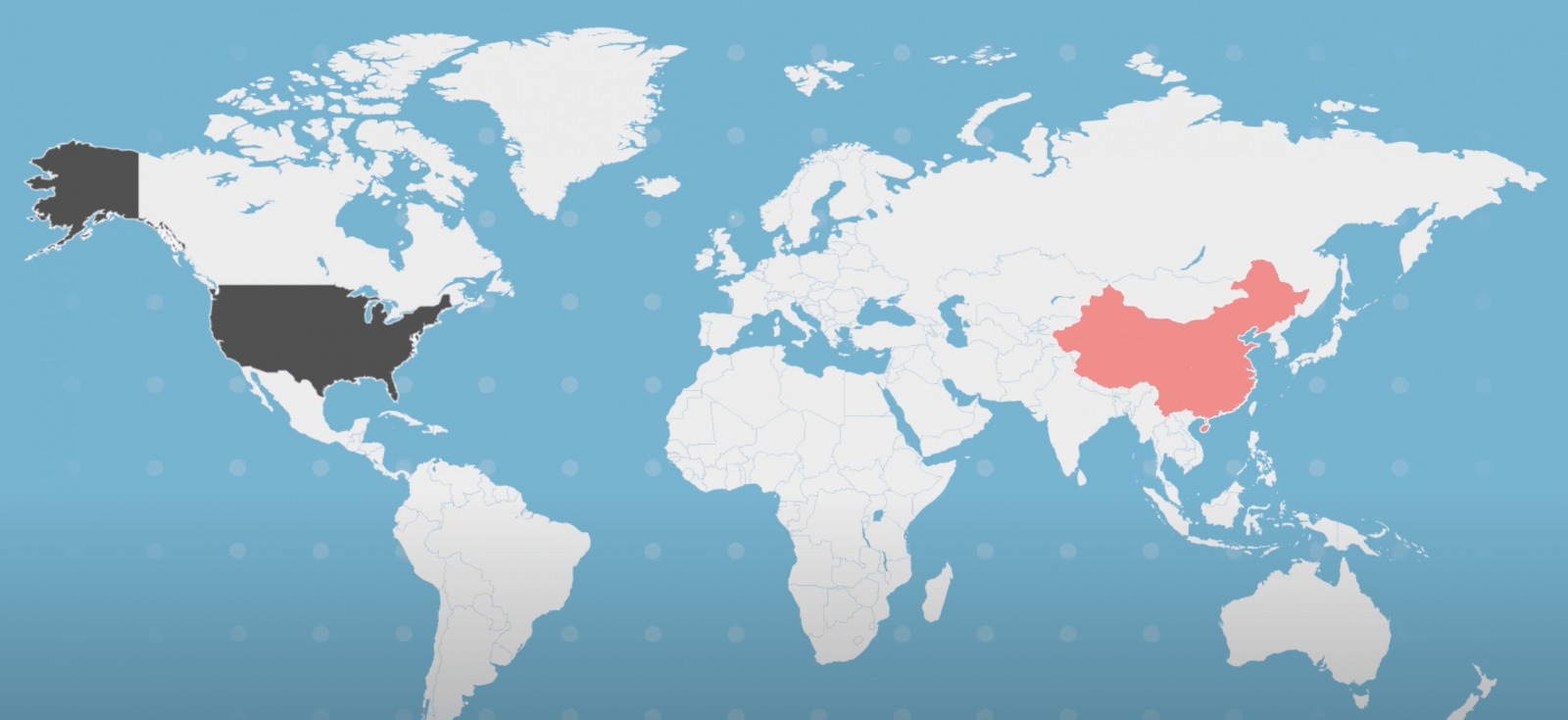
In 2020, a new conflict arose between USA and China. In the 3rd week of May, Chinese Foreign Minister Wang Yi accused the US for trying to initiate a new cold war, in response to the US allegations over corona. This is a misunderstanding; the cold war between the two nations was initiated long before Trump’s era, during the Obama administration. A number of political analysts, such as Henry Kissinger, have mentioned in their writings that if China adopted liberal democracy and stepped back from socialism and ideas of Marxism, the US would have no problem with China’s economy.
The US may not have any issues with China in terms of producing goods like laptops or mobiles, what it wants from China is to adopt a western order of government. The USA wants a unique domination of the world, a domination in which China can’t challenge its geostrategic and scientific influence. The rivalry between the two major powers is growing, but this cold war is different from that of USSR and USA. Back then, both states used a number of proxies and assassination tactics to weaken one another. This time, the focal point is trade. Both the United States and China are trying to contain their exports by executing tariffs on goods. USA is trying to decrease the production capability of China by applying a number of hurdles.
There are several components of this rivalry. One of the main components is the containment of China’s military dominance in South China Sea. The main reason behind this is that China’s main commercial areas exist along the South China Sea. The USA knows the geostrategic and economic importance of the sea, therefore its main aim is to build an anti-China narrative in the principal littoral states of the South China Sea like the Philippines, Indonesia, Malaysia, Cambodia, Vietnam etc., to prove that the rise of China is not a result of a peaceful process.
Like the rest of the world, there is a direct implication of these tensions on India and Pakistan. In this regard India is split in two thoughts strategically; one school of thought argues that India should let go its non-alignment policy and should go to the block of USA. They think that from this they will not only get a huge advantage militarily and economically, but will also be in position to challenge the status quo of China regionally through new technologies. Moreover, India can not only have access to the said technologies but also get membership of G7 and G8. These are the thoughts of those thinkers that are more inclined towards BJP and have strong beliefs in nationalism. Others think that India should keep its approach of neutrality, despite the fact that China has given a tough time to India in Ladakh. According to them, India has a rich history of culture and civilization, therefore India should not become anyone’s proxy and it should handle the situation in its own way.
On the other hand, Islamabad doesn’t want its relations to be affected by the said rivalry. In near past, the United States of America has shown its reservations over the China’s investment in Pakistan. The government of Pakistan has strongly rejected US objections over China Pakistan Economic Corridor (CPEC), but Pakistan needs a proactive policy to convince the US in this regard. Pakistan should make them realized that this economic project is purely based on the principles of bilateral cooperation. Furthermore there are no such intentions to hurt anyone’s interests with this project; it will help to enhance the overall infrastructure of Pakistan.
One of the main drawbacks of Pakistan’s foreign policy that Pakistan is still suffering from is that it has picked sides numerous times in the past in international disputes. Considering either the decisions taken during the cold war or the initiatives taken in the war on terror, the stakeholders in Pakistan reacted in a hurry which caused serious consequences to the interests of the state. Currently, although Pakistan has a close relationship and economic partnership with China, Pakistan can’t deny the fact that it has a vital strategic partnership with the USA too. Pakistan has an alliance with the USA in containing terrorism, and it is playing a crucial role in bringing peace back to Afghanistan. The Foreign Office of Pakistan should keep all these factors in front and try make a comprehensive, goal-oriented foreign policy towards the USA.
The most vital point is that Pakistan cannot ignore the US factor, especially when Pakistan is experiencing a tough relationship with India, and India is already a strong ally of the US in South Asia. The government of Imran Khan has smartly engaged the US, and relations between Khan’s administration and Trump’s government have entered a healthy phase. The president of the USA, Donald Trump, has expressed his desire to mediate between Pakistan and India on the Kashmir issue. Therefore, Islamabad has to play a proactive role in this regard not only to further these minor positive points, but also to engage China equally.
Twenty-two years ago, in May 1998, India and Pakistan carried out a series of nuclear weapons tests. India conducted nuclear tests on 11 and 13May, followed by Pakistan on 28 and 30 May. While addressing the UNGA on 23 Sept 1998, Nawaz Sharif, the then Prime Minister of Pakistan stated, “India has always perceived nuclear weapons as the key to great power status and a permanent seat on the Security Council. It tested nuclear weapons to alter the strategic balance and threatened Pakistan’s security and sovereignty, thus circumstances forced us to test and establish nuclear deterrence in self-defence.” Soon after, the U.S., European Union and other countries imposed sanctions on both states for carrying out the tests. However, in early 2000, the U.S. very publicly set aside concerns about India’s nuclear weapons to embrace India as a new political and strategic ally. Meanwhile, throughout the past two decades India and in response Pakistan have been working on building up their nuclear arsenals. According to recently released Stockholm International Peace Research Institute (SIPRI) Yearbook 2020, India currently has 150 nuclear weapons while Pakistan tally stand at 160. It is important to note that no methodology is provided by SIPRI on how they estimated these numbers.
Pakistan’s strategic community has always objected to these numbers and questioned how Pakistan could possess more nuclear weapons than India, when the latter started its nuclear programme way before Pakistan, has more nuclear reactors than Pakistan that are outside the International Atomic Energy Commission (IAEA) safeguards and has signed civil nuclear deals with 14 countries that allows it to import uranium for use in safeguarded reactors, thus leaving all the domestic uranium reserve for weapon purposes. According to a study by Kalman A. Robertson and John Carlson in 2016, ‘The Three Overlapping Streams of India’s Nuclear Power Programs’, some Indian civil nuclear facilities, even when operating under IAEA safeguards, may contribute to India’s stockpile of unsafeguarded weapons-usable nuclear material. This means that not only the unsafeguarded but even the safeguarded Indian nuclear reactors are contributing towards making fissile material for nuclear weapons, making Indian capacity of producing weapon-usable fissile material unparalleled in the region. Likewise, a study titled ‘Indian Unsafeguarded Nuclear Program’, published by the Institute of Strategic Studies Islamabad (ISSI) and co-authored by four nuclear scholars, estimated that India has sufficient material and the technical capacity to produce between 356 to 492 nuclear bombs. Another study by Dr Mansoor Ahmed for Belfer Center, estimated that India has fissile material for approximately 2261 to 2686 nuclear weapons. These studies and Pakistan’s strategic community arguments raise serious questions on the credibility of the estimates given by SIPRI Yearbook and other Western reports with similar figures.
Most of these Western studies that put Pakistan’s nuclear weapons number slightly above India are politically motivated. In India, the West sees a potential net security provider for the region and a counterweight to China, despite the fact that Nuclear Suppliers Group (NSG) was created because India diverted nuclear fuel from Canadian reactors, supplied for peaceful use, to conduct a nuclear weapons test in 1974. Moreover, India was given the NSG waiver in 2008, which allowed it to enter civil nuclear deals with numerous countries without signing the Nuclear Non-Proliferation Treaty (NPT). Similarly, the West and especially the U.S. providing India with state-of-the-art technology and weapons without any concern for regional stability shows that India is currently a blue-eyed boy of the West and all its faults are being ignored. Through these politically biased reports, a narrative is being created that Pakistan has the fastest growing nuclear program, thus justifying and taking all the attention away from India’s weapons acquisition and its growing nuclear program. Undue Western support for India is making it an irresponsible actor that has no regards for neighbouring countries’ security concerns, which is also visible by the fact that currently, India is involved in border disputes with almost all its neighbouring states. Furthermore, the technology and weapon acquisition by India is leading to the adoption of aggressive doctrines, such as Cold Start and pre-emption, which are highly destabilizing. The Western strategy of making India a net security provider and counterweight to China has serious implications for regional stability. It creates a security dilemma for Pakistan and puts it under immense pressure to take steps to restore regional balance.
Recently a new arms control paradigm was proposed. The tenets of this proposition centre around two arguments. First, how much is too much? Second, what kind of changes in size of arsenal, types of warheads and nuclear doctrine could make this environmental and humanitarian disaster avoidable? The proponent of this idea, George Perkovich, analyses the nuclear non-proliferation discussion in environmental and climatic (humanitarian) perspectives in his paper titled Towards Accountable Nuclear Deterrents: How Much is Too Much? Whether the ideas put forth in this paper withstand the evolving strategic realities of the global security environment is the central inquiry of this critique.
The author goes on to explain in some detail how his suggestions combine the desirability and feasibility of minimizing a nuclear catastrophe risk. The author’s discussed premises are nuclear weapon states (NWS) and the non-proliferation and disarmament debate within the framework of NPT, the idea of deterrence works, nuclear weapons against a conventionally superior adversary, and the issue of escalation, escalation dominance and destabilizing arms race, to mention few.
George Perkovich proposes two global and multilateral initiatives for achieving his stated objective of arms control and minimizing the damage to the environment in a nuclear war. One, he recommends that NWS, along with non-nuclear weapon states (NNWS), need to conduct advanced scientific studies to precisely determine the impact on climate and environment if a nuclear exchange takes place between two states. To draw maximum benefits from such endeavours, the author suggests involving experts from computing, modelling and data sciences in those studies.
The other initiative would involve assessing all nuclear weapon states’ commitments to International Humanitarian Law (IHL) if and when to detonate nuclear weapons, and then evaluating whether their arsenals’ size and nuclear operational plans conform to their declared commitments to IHL. While discussing these two initiatives, the author introduces a new term, accountable deterrents. Accountable deterrents, according to the author, are those nuclear weapon systems which are acceptable to all countries in their strategic, legal and environmental terms. This type of deterrence, in author’s opinion, would be more credible than escalation dominance and prohibitionist models.
The author adds that the civil society, along with non-nuclear weapon states should also be included in non-proliferation discussions to make the proposed initiatives more acceptable. These proposals meet the need for nuclear deterrence on which state security hinges and helps decrease the risk of nuclear war, a fundamental concern of the society. Apart from the civil society, the author emphasizes that China could play an important role in promoting his ideas as China’s approach in terms of nuclear doctrine, nuclear force development and postures has remained restrained.
Critical Overview
The paper attempts to initiate a serious discussion on the environmental consequences of a nuclear war. Amongst the two proposed initiatives, the first initiative, to conduct scientific investigation of environmental consequences of nuclear detonation, is likely to find support among both nuclear and non-nuclear weapon states. On the other point, the author emphasizes adherence to international humanitarian law in deciding if and when to detonate nuclear weapons in the second proposal. This may be problematic for states to accept. Deterrence has been the central pillar of nuclear weapon states’ security policies since the end of WWII. Considered as non-usable weapons, the amount of damage that these may possibly cause makes them the most potent feature in a state’s deterrent structure.
For this reason, the idea would particularly be unacceptable to P-5 states. These states are signatory to NPT and as signatories they pledged to take steps towards disarmament, even though there has been no move to redeem that pledge in the last fifty years. Furthermore if moral considerations and humanitarian grounds had traction in policies of nuclear weapon states, they would have joined negotiations when the Treaty on the Prohibition of Nuclear Weapons (TPNW) was proposed by the New Agenda Coalition (NAC) countries as it presented an excellent opportunity for the NPT signatory nuclear states to develop a mechanism for universal nuclear disarmament. TPNW was rejected by not only nuclear weapon states but also the states which have nuclear security umbrella. There are two landmark judgments (though one is in advisory role) by International Court of Justice, Legality of Threat of Use of Nuclear Weapons 1996 and Marshall Island Case 2016, in which ICJ clearly iterated that there was no international law or treaty which made possession and use (and threat of use) of nuclear weapons illegal for defence purposes. If there is a need to prevent the use of nuclear weapons, major nuclear weapon states should focus on prevention of the use of force at all.
The author’s ‘accountable deterrents’ concept is totally hypothetical, unrealistic, and unachievable. Two countries in an adversarial relationship are not likely to be very considerate to others if their own national security is at risk. Nuclear weapons discussion apart, there is no evidence to support the view that a country’s operational plans including strategies that limit the damage to the climate. For the sake of discussion, if the notion of accountable deterrent is considered practical, it proposes that to avoid an environmental catastrophe, the size, yields and targets need to be reduced. If the size and yield of a nuclear weapon is reduced, it is more likely to be used against military targets, not against cities. Countries possessing small yield nuclear weapons in greater number will prioritize counter force targets over counter value targets. A nuclear strategy that aims at the destruction of counter force targets may start a fierce arms race among nuclear weapon states and look towards increasing the number of warheads in their arsenal.
Moreover, it is also unclear that which authority would verify the number, yield, and targeting capability in case one country claims to have accountable deterrence. As the author mainly focused on the environmental and climatic cost of nuclear weapons, it is really unfortunate that major countries, such as the U.S. and Russia, only use climate as a political agenda without any substantive steps in previous decade. The proposal of accountable deterrence and rationale of smaller size and lesser yield nuclear weapons is only to justify the new development of low-yield warheads by the U.S. as indicated in the 2018 Nuclear Posture Review presented by Donald Trump’s administration. The author suggests that China could extend the restraint in its nuclear force posture and play a pivotal role in building a new approach to arms control and disarmament, on humanitarian grounds. Putting the onus on China, the author overlooked the fact that UK and France also do not need nuclear weapons because of the absence of any existential threat to the two countries.
In South Asia’s context, the idea of accountable deterrent will be more destabilizing. Would it be acceptable for any country, in environmental, strategic or legal terms, to use low yield nuclear in densely populated urban or semi-urban border areas? On the issue of reduced size and low yield weapons, this kind of idea will give validation to current Indian thinking on revision of its No-First Use and targeting policy from counter value to counter force. It would serve the purpose of strategic stability in the region if a proposal on Strategic Restraint Regime, proposed by Pakistan, is endorsed rather than ideas such as accountable deterrence. The latter is nearly infeasible in practice, simply for its ability to reduce uncertainty brought through connotation of traditional nuclear deterrence and strategic stability.
On the whole, global norms are still far from being multilateral in approach, so there is a very limited role that the international civil society can play in shaping leaders’ opinions about nuclear weapons and deterrence. If multilateralism could play a role in global order, then forums such as the United Nations need to play an active role in conflict resolution.
Conclusion
The kind of modernization plan, which does not focus on nuclear disarmament, only adds to instability with regards to nuclear weapons’ possession and their use. This kind of approach gives nuclear weapon states logic to increase the number of nuclear weapons with reduced size and yield. The current debate on resumption of nuclear testing suggests that the trend is tilted towards nuclear armament instead of nuclear disarmament. Thus, the proposal pertaining to accountable deterrence is impractical and unlikely to make any impact on the thinking of nuclear weapon states.