“We will soon bring Pakistan to its knees”, a rejuvenated president of the BJP, Khushabau Thakre retorted after India conducted five nuclear weapon tests on May 11 and 13, respectively. With these tests India became the only country to have a declared nuclear weapon capability outside the nuclear nonproliferation treaty (NPT). Since then India has celebrated 11 May as National Technology Day. For quite some time, BJP also celebrated 16 May as the National Day of Pride. Thakre’s threat was not the first warning that came from BJP’s high office. In fact, L K Advani, home minister and former BJP president also warned Islamabad to “realize the change in the geo-strategic situation” that emerged as a result of Indian nuclear test. BJP’s far right leadership also threatened Pakistan to prepare for India’s wrath.
All these aggressive and hostile threats came within a week of India’s nuclear tests. Following the threats and intimidations from the Indian leadership; three weeks later, Pakistan detonated five nuclear tests at Ras-i-Koh, Chagai, codenamed Chagai-I and two days later conducted another test in Kharan that was labelled as Chagai-II. With these tests, Pakistan emerged as the 7th state to have the declared nuclear weapons capability.
India has a long history of nuclear development. On 18 May 1974, India detonated a nuclear device in the Rajasthan desert near Pokhran that was named as “Smiling Buddha.” This event came as a shock to the entire world. The plutonium for the device was extracted from the CIRUS (Canada-India Reactor U.S.) – a collaborative effort between Canada and the US to supply a 40-megawatt nuclear reactor that began operating in 1960. The Indian government called the test a “peaceful nuclear explosion” (PNE). The test resulted in widespread condemnation from the international community, particularly Canada cutting off virtually all its nuclear assistance to India. The US also froze its nuclear cooperation, leaving India in a virtual state of nuclear isolation and a pariah state unworthy of nuclear cooperation.
The event became the first episode of state-sponsored nuclear proliferation at a time when NPT was just 4 years old. “Smiling Buddha” which pushed India and South Asia into a nuclear age is the blackmark in India’s nuclear history and for the international nonproliferation regime. India, however, does not celebrate its so-called PNE nor calls it the day of technological feats.
The belligerent political rhetoric against Pakistan that came with India’s nuclear tests in 1998 also signifies one important aspect that India developed its nuclear power against Pakistan, and not China. India’s nuclear pundits often sell the idea to the West that New Delhi developed its nuclear weapon capability when they met a humiliating defeat at the hands of Chinese forces, which is not true.
Despite India’s “China Bogey”, there was not a genuine security threat to India. In fact, it was not a security threat but “prestige of having a nuclear weapon capability” that drove India’s quest to become nuclear power. With overt nuclear tests in 1998, India literally threw Gandhian principle out of the window which called nuclear capability as “weapons against humanity.”
Since India’s first nuclear test, there has been an unprecedented rise in India’s nuclear and conventional might. Over the period India has not only become world’s largest arms importer but also a country with the fastest nuclear weapon program. As per estimates India has the potential and enough fissile material to develop hundreds of nuclear weapons every year. This reflects the sheer madness and uncontrolled obsession with fire and fury. India’s flirt with its fissile material has also become a global migraine. Most recently, Indian security agencies have seized 7 kg of Uranium and two persons were arrested. This is the largest breach in safety of nuclear material in India which is a source of great concern not only for India but the international community. Such a loose state control over its nuclear material shows that India has never taken nuclear safety and security seriously.
It is the right time for the international community to intervene. Today’s India offers two major challenges, first it is expanding its nuclear weapons stocks at a rapid pace and secondly the nuclear safety and security standards in India have become a great concern for the global community. If this left unaddressed, India would become a hub of lucrative global nuclear black market. The possibility of a dirty bomb has become greater, and with each passing day India is inching closer to become hotspot for nuclear terrorism. Therefore, India needs global attention more than ever. The responsibility lies with the international community to address the nuclear challenges emerging from Modi’s India. The recent nuclear theft incident should be a wakeup call for the global community.
The South Asian region has always remained vulnerable to conflicts and escalation for many decades. This is primarily because of its ever-increasing volatility and the complex security dynamics of the region. Given the hostile nature of the relationship between India and Pakistan, both countries have fought full-fledged wars and limited conflicts in the past. Even now there exists a continuous fear of war and escalation in the region. For many decades, and even now, the regional security dynamics were all determined by the conventional asymmetry, Indian warmongering attitude towards Pakistan, and its acquisition of nuclear weapons. In such a scenario where Pakistan was facing existential threats from India, the acquisition of nuclear capability by the former was more of a strategic compulsion to enhance its security and preserve its sovereignty. However, since the overt nuclearization of South Asia in 1998, the region has emerged as one of the most crucial regions in the world. The acquisition of nuclear capability by Pakistan has since then emboldened it a credible and reliable deterrence posture which ultimately guaranteed a strategic equilibrium in the region. Even now, 23 years after the nuclearization of South Asia, Pakistan’s nuclear capability continues to hold the burden of strategic stability in the region.
The overt South Asian nuclearization was primarily a consequence of India’s desire to dominate the security calculus of the region and undermine Pakistan’s security. It became inevitable for Pakistan to take concrete steps to enhance its security. The fact remains that it emerged as a strategic obligation for Pakistan to demonstrate its nuclear capability in order to maintain a balance of power in the region. Pakistan’s pursuit of a credible nuclear capability has no doubt equalized the regional strategic balance while neutralizing a broad range of threats coming from India. This notion continues to prevail even today as well. However, the subsequent Indian attempts to undermine the existing strategic balance of the region would likely challenge Pakistan’s nuclear threshold. Evidence comes from how India has been actively involved in an all-encompassing and offensive military modernization, its provocative and self-obsessed notions of ‘surgical strikes’ under a nuclear scenario, and insinuations of drifting away from its stated nuclear use doctrines. These emergent dynamics combined have further undermined the strategic stability of the region in general and Pakistan’s nuclear threshold in particular. This becomes more impactful when Pakistan’s posture of full-spectrum deterrence that is within the ambit of minimum credible deterrence is to be assessed specifically in the contemporary regional security environment.
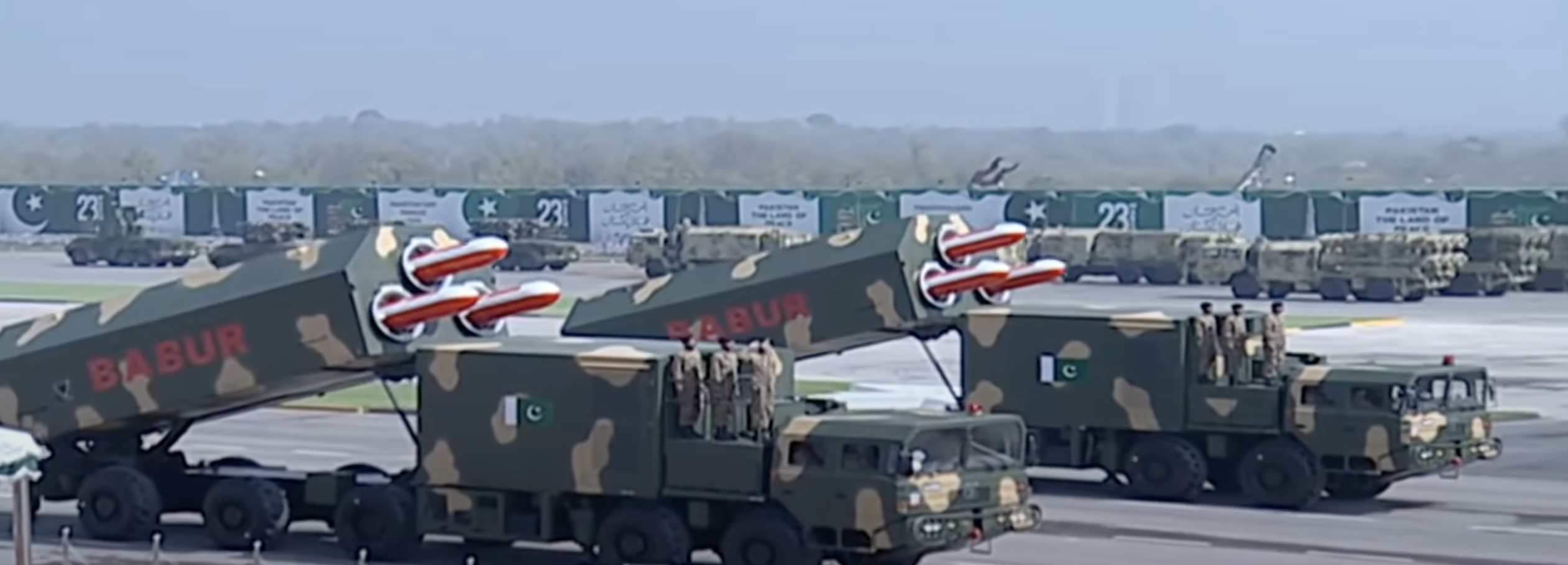
In pursuit of its long-term hegemonic designs and great power aspirations, India has been rapidly augmenting its offensive military capabilities against Pakistan. The ongoing extensive military modernization drive is all aspired to re-adjust the strategic balance of power in its favor. Further, it also intends to be at the decisive end while dominating the escalation ladder of the region. In this regard, India possesses a diverse inventory of ballistic and cruise missiles ranging from short to long-range and also ICMB (Inter Continental Ballistic Missiles). It has developed Ballistic Missile Defence (BMD) Systems and has an agreement with Russia for the supply of the S-400 Air Defence System which is no doubt one of the world’s most advanced missile defence shields. Likewise, India has also developed and operationalized some of the world’s fastest supersonic missiles and has been rigorously working on the development of hypersonic weapons and space weapons. These advanced missiles are obviously meant for delivering nuclear warheads while providing a significant edge to India and tilting the strategic balance of power in favor of India. Further, India has also acquired Rafale fighter jets from France which are among the most advanced jets in the world. This brief analysis of the Indian military modernization drive indicates that it intends to become a regional hegemon while dominating the region militarily. Thus, further increasing the threat perception of Pakistan and compelling Pakistan to hold the burden of strategic stability in the region.
In addition to these, India’s attempt to undermine the strategic stability of the region is also evident in its self-proclaimed existence of ‘new normal’ in South Asia. Especially at a time when the region seems to be still under the impact of the Pulwama-Balakot crisis of 2019 that resulted in an exchange of hostilities between India and Pakistan; however, Pakistan’s nuclear capability emerged as the decisive factor at that time and the crisis did not go beyond a certain level of escalation. This again implies that the burden of maintaining the strategic stability in the region ultimately comes on Pakistan.
To sum up this whole debacle, the Indian strategic aspirations coupled with its offensive military modernization would likely further destabilize the already fragile South Asian region. Similarly, these appear as a deliberate Indian attempt to undermine Pakistan’s nuclear threshold and to endanger the strategic environment of the region. Pakistan, on the other hand, which already relies on very calculated response options; the nuclear capability would likely continue to play the decisive role. Given the economic difficulties of the country and its reluctance to indulge in an arms race with India, Pakistan’s nuclear deterrence; either full-spectrum or minimum credible would likely serve the purpose of enhancing its security and preserving its sovereignty. Last but not the least, Pakistan’s nuclear capability which has ensured strategic deterrence since the beginning and till now can also further hold the burden of maintaining strategic stability in South Asia.
The NPT is an international treaty which proved to be a milestone with a main objective to forestall the spread of nuclear weapons and to achieve the goal of nuclear disarmament. The NPT aims to promote cooperation so that nuclear energy can be used for peaceful purposes. It is a multilateral treaty which represents the nuclear weapon states coupling together for the goal of disarmament. The treaty was signed on 1st July 1968 and pulled off in 1970. 191 states in total have signed the treaty which includes the five nuclear-weapon states as well. NPT lies under one of the primary areas of International Relations i.e. International Political Security (I.P.S). It can be claimed as such because proliferation of nuclear technology to states that has aggressive notions and states, non-state actors, terrorist organizations will use it to intimidate and this will menace the security of the regions and ultimately towards that of globe itself so it needs to be restricted.
The treaty’s primary aim is to restrain the nuclear weapons from spreading. The 191 state-parties are arranged into two classifications. The first category is consisting of recognized nuclear weapon states (NWS) which are United States of America (1945), Russia (1949), Britain (1952), France (1960) and China (1964). Second category consists of non-nuclear weapon states (NNWS). All these states under the treaty pursue complete disarmament and along with that NNWS pledge to relinquish developing nuclear weapons at all. However, the state-parties are granted the permission to develop nuclear technology for civil and peaceful purposes. NPT is the most extensively adhered as compared to any other arms control agreement however, a few states are still not part of the treaty which includes, Israel, Pakistan, India, and South Sudan. The treaty directs an audit gathering every 5 years to evaluate if the objectives have gained any ground and also to enhance and provide new opportunities to further strengthen the treaty.
The discussion to control the harmful spread of nuclear energy began in 1950’s when International Atomic Energy Agency (IAEA) came into existence. In 1960’s the UN general assembly approved a resolution which claimed that the spread of nuclear weapon to other states should be prevented. The states already possessing the weapon will not be trading the material with those states which are not possessing. These announcements laid the foundation for NPT. In a press conference, US president John F. Kennedy also predicted that in 10 years almost 20-25 nations would develop the ability to produce nuclear weapons which is very dangerous for the world. So finally in 1968 the first draft text of NPT was endorsed. UK, USA and USSR were the first to sign the treaty. China and France acceded in 1992. However, these five are the only states officially recognized as nuclear weapon states. In 1980’s NPT really helped in cooling down the two superpowers engaged in cold war which would have otherwise ended in a nuclear war. In 1995 the treaty achieved completion of its first 25 years which also paved a way for its extension indefinitely.
NPT generated a standard of behavior for states that continues to guide them. The five major nuclear powers also hung on to their nuclear weapons although they decided to completely eliminate them but its mere a lip service. The NPT has become a norm and acts as a bedrock for an international regime so the nuclear weapons can be prevented from escalating all over the globe. The NPT’s existence itself explains that the aim of eliminating the proliferation of nuclear weapon is not a task of one or two states be it the current ruling power, US or the rising power China. This objective requires the efforts and cooperation of the world community to act together for the cause. One of the former US arms negotiator said, “NPT is in many ways an agreement as important as the UN Charter itself”. Even though the complete disarmament promise of NPT is not achieved yet but proliferation of nuclear material is always a threat and party-states have controlled themselves because of the binding with the treaty. Moreover, the ‘grand bargain’ is also fulfilled which claims that nonnuclear states will not acquire nuclear weapon in exchange the nuclear weapon states will work on disarming and assist other states to use nuclear energy for peaceful means. For example, the relevance of NPT for Turkey in time of Iran nuclear deal crisis. NPT not only helps Turkey to develop nuclear energy for civil work but also allows Turkey to be a part of solution to nuclear proliferation. However, states like Iraq dodge the inspectors e.g. when Iraq built the Osirak Reactor even though it promised not to produce plutonium for weapons and prior to 1991 it nearly completed the secret enrichment program. These examples put NPT’s effectiveness into question.
Lack of progress in the complete disarmament had led some critics to question the relevance and value of NPT. Non-proliferation and disarmament are inextricably connected so if one is not achieved the other will naturally lose confidence, and weakening the non-proliferation regime is in no one’s interest. Moreover, ever since 1991 increase in uranium enrichment and plutonium separation in states like Iran and North Korea took place which was kept hidden from IAEA inspectors. Furthermore, Pakistan a non-party is alleged to have provided the enrichment technology to both North Korea and Iran which heightens the threat to NPT regime from non-parties as they are not bound to follow the treaty’s conditions so they can assist the NNWS in acquiring nuclear weapons. Some of NPT party-states also tend to ignore the treaty requirements when it comes to their national interests. For instance, when USA was working with Pakistan for the invasion in Afghanistan against USSR, USA knew about Pakistan’s nuclear program yet turned a blind eye towards it. The treaty’s impact is uncertain so to gain peace and stability in future there is a need for collaborative approach between NWS and NNWS and for that a major diplomatic effort is essential. Every state in the world should be increasingly mindful of the security benefits driven from NPT and the nuclear weapon states should reduce the risks associated with their acquired weapons and pursue disarmament not because NPT requires this commitment but because it is for their own and the globe’s interest.
The proliferation of nuclear weapons and efforts to stem its flow have drawn a great deal of scholarly attention. From analyzing the causes, conduits, and nature of proliferation, to understanding the directions of great powers’ non-proliferation policies, the literature on this set of subjects is rich. The whys and the hows of proliferation are somewhat linked to the non-proliferation policies of great powers. This equation becomes clearer, if one looks at Mathew Kroenig’s power-projection theory, it establishes an inverse connection between nuclear proliferation and the ability of great powers to leverage force as an instrument of influence vis-à-vis allies and adversaries alike. As one of the principal makers of the broader non-proliferation regime, the United States’ non-proliferation efforts cannot be dissociated from the discourse on nuclear proliferation. While a policy commensurate with the power-projection theory could lead to a wholehearted commitment to the norm of nuclear non-proliferation, it will certainly aggravate security fears that, according to a large corpus of literature, give impetus to proliferation. In addition to vitiating the security environment, the entire mosaic of Washington’s strategies of inhibition, as succinctly explained by Francis J. Gavin, affects other instigators of proliferation, to include the normative ones. The good nukes, bad nukes policy, as legalized and streamlined within the landmark Nuclear Non-Proliferation Treaty(NPT), has not only facilitated nuclear proliferation but also constantly dented the non-proliferation regime. That North Korea walked away from the NPT is something that merits a reevaluation of why states go nuclear, and as to why big powers fail to honor their commitments towards non-proliferation. Similarly, the conspicuous inconsistencies in U.S. approaches towards non-proliferation and arms control, partially explained by Kroenig’s political relationship theory, are all but forcing Iran to reassess its commitments towards the three pillars of the NPT.
It is important to mention two of the principal concerns related to nuclear proliferation. One, it is feared that the acquisition of nuclear weapons by one state will lead to a domino effect, with other countries likely to follow suit. Constituted a month after China’s Lop Nor test through the National Security Action Memorandum 320, the Gilpatric Committee worried about proliferation causing a chain reaction. Released in January 1965, the Gilpatric Report noted: “An Indian or Japanese decision to build nuclear weapons would probably produce a chain reaction of similar decisions by other countries, such as Pakistan, Israel, and the UAR.” With that in mind, the Committee recommended stringent non-proliferation measures to arrest the spread of nuclear weapons. Two, doubts are raised about the ability and capacity of nuclear-possessors to handle and secure nuclear weapons, raising the prospect of nuclear use, advertently or accidentally. These views feature prominently in Scott Sagan’s arguments in his famous debate with Kenneth Waltz on the implications of nuclear proliferation.
Both of those misgivings were shunned when the Americans needed Pakistan to fight the Soviet Union in the final showdown of the Cold War. Amendments to the 1961 Foreign Assistance Act that generally and specifically applied to Pakistan were bypassed, allowing Pakistan to march ahead with getting a deterrent that it needed for its security.
In ‘The Blind Eye’, detailing the parleys between the officials of the Reagan Administration and the Congress for a Symington waiver for Pakistan in FY 82, Rabia Akhtar writes:
After the witnesses testified before the committee, Congressman Solarz asked Coon and Brown if the administration had sought explicit nuclear assurances from Pakistan in the context of the offer of $100 million in ESF for FY 82 concerning the GOP’s apparent efforts to acquire the capacity to explode a nuclear device. But to the Senator’s surprise, Brown answered that no such assurances were sought from Pakistan instead the administration ‘anticipated’ that if a stable security relationship between Pakistan and the United States was created including the possible provision of assistance, that would help ‘mitigate some of the perceptions of insecurity’ related to Pakistan’s nuclear explosives program.
As the self-anointed leader of the crusade against nuclear proliferation, the U.S. indeed failed, as it turned a blind eye when Pakistan was making meaningful headway towards achieving its ultimate goal: a nuclear deterrent against India. Thus, it is imperative to note that Pakistan’s proliferation odyssey cannot be fittingly explained absent an appraisal of U.S. enforcement failure that stemmed and continues to stem from relegating nonproliferation and prioritizing geopolitical interests. The Cold War was over on a winning note; Pakistan delivered the final punch while, in the process, baring its teeth in 1998, much to the belated chagrin of its benefactor and enabler: the U.S.
Fast-forward to 2005, Washington, despite being one of the makers and parties to the NPT, initiated a process of bringing India into global nuclear commerce. That was not only a reversal of a decades-old U.S. nonproliferation policy but also repugnant to Articles 1 and III of the NPT that bar Nuclear Weapon States(NWSs) from transferring, helping, and encouraging Non-Nuclear Weapon States(NNWSs) from manufacturing and acquiring nuclear weapons, and sharing nuclear material for peaceful purposes absent full-safeguards implemented by an NNWS, respectively. Back then, U.S. President, George W. Bush, aspiring to treat India as a nuclear have, committed to helping it become part of the burgeoning nuclear trade architecture. True to its promise, the U.S. was able to push through amendments to facilitate nuclear trade with India. According to Section 104 of the Hyde Act that amended the 1954 Atomic Energy Act, any U.S. President is authorized to: “(1) exempt a proposed cooperation agreement with India from AEA requirements for maintenance of IAEA safeguards for nuclear materials in peaceful nuclear activities; (2) waive a certain additional export criterion and procedures; and (3) waive mandatory termination of nuclear exports based upon specified conduct that occurred before July 18, 2005.”
All this was coupled with Washington’s successful efforts to persuade the Nuclear Suppliers Group (NSG) to grant a special waiver to New Delhi for nuclear trade. Ever since then the U.S. has been trying tooth and nail to induct India as a member of the NSG, an eventuality that will harm both the export control and nonproliferation regime. However, Washington’s bid is being resisted by member-states led by Beijing, who believe that, countries who do not sign and ratify the NPT will not be admitted to the cartel.
Admittedly, the U.S. has gone the extra mile because it sees India as its strategic partner, one that is slated to act as a bulwark against China’s rise. While India’s credentials to challenge China are weak, despite US’ mollycoddling, its ability to up the nuclear ante due to the cushion provided by the Indo-U.S. nuclear deal has all but increased. Apart from not putting a lid on India’s fissile material and nuclear weapons stockpiles, the deal does not, in any manner, deter or impede India to use freed-up fissile materials for military purposes. According to Henry Sokolski, “We are going to be sending, or allowing others to send, fresh fuel to India—including yellowcake and lightly enriched uranium—that will free up Indian domestic sources of fuel to be solely dedicated to making many more bombs than they would otherwise have been able to make.” For all the talk of India’s counterforce temptations in the academic circles, or strategic stability concerns in the official ones, the U.S., by repeating its historical mistakes in enforcing nonproliferation policies, is contributing significantly towards India’s nuclear expansion. While Washington’s strategic managers might have forgotten the Gilpatric Report, they have apparently grasped Kroenig’s political relationship theory. As the NPT-based nonproliferation regime comes under pressure from the ever-widening trust-deficit between NWSs and NNWSs and the Ban Treaty, Washington’s bidding of an NNWS further undermine this even-otherwise enfeebled nonproliferation framework.
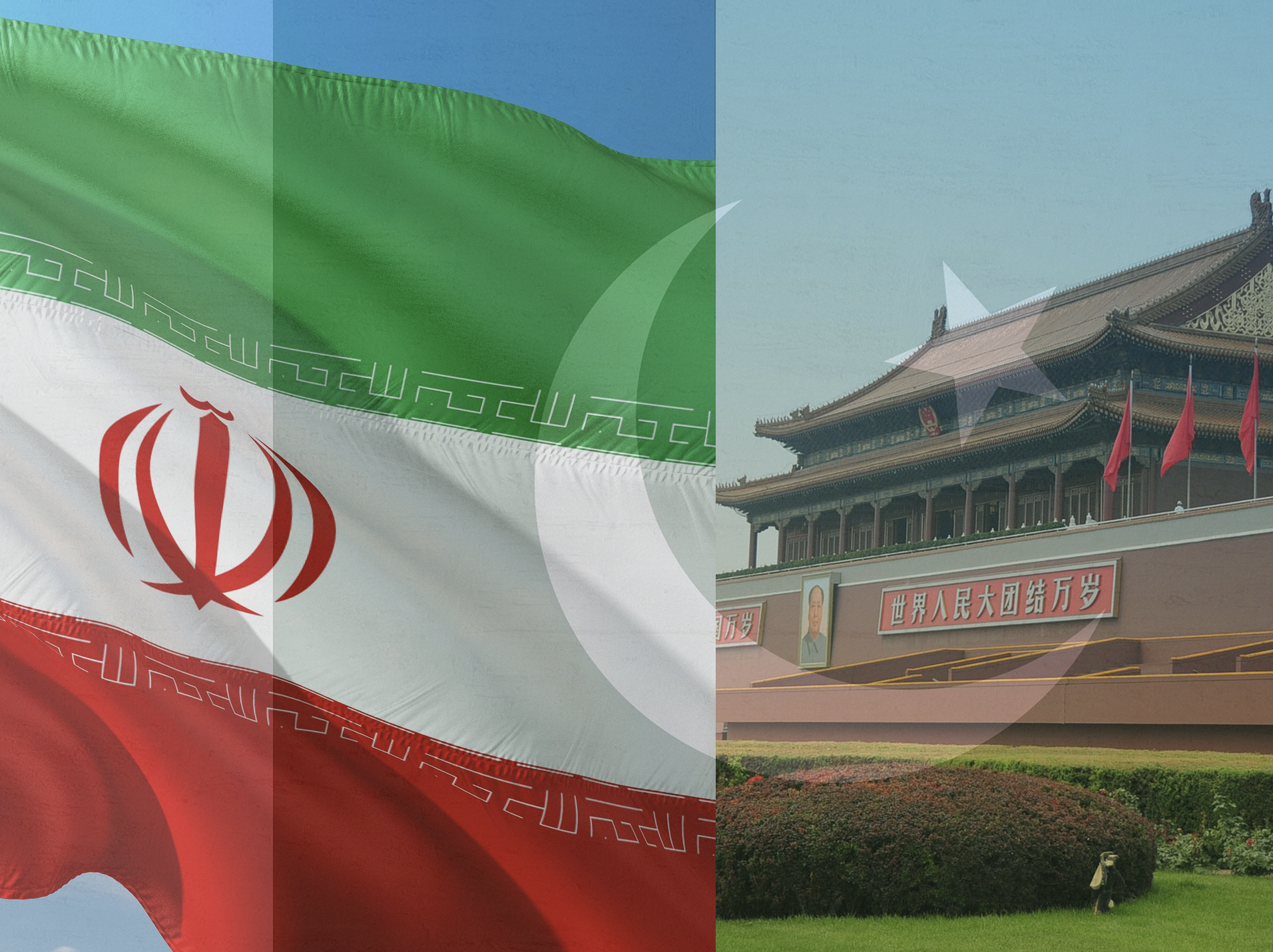
A long-term bilateral deal between China and Iran is ringing bells in Washington. By overstating the deal, the US media is again stirring up the tensions. A leaked draft of the deal published by the New York Times in July proposed that it would entail extensive economic cooperation that would open the arenas for strategic action. A week after the hot exchange in cold Alaska, Chinese Foreign Minister Wang Yi arrived in Iran for a visit that was reported by Iran state media as the signing of the deal under negotiations since 2016 calls for investments spread over 25 years in the trade, politics, culture, Infrastructure, cybersecurity, and other energy sectors in exchange for discounted oil supplies to Beijing. It is a relief at a time when Tehran’s regime is coping with sanctions imposed by the US and the disastrous impacts of Covid-19. For China, it is advantageous. Beijing has acquired an influence in the region and obtained access to crude oil. This deal would have substantial effects on the Middle East either directly or indirectly.
China will be best able to manifest this partnership as a new part of its Belt and Road Initiative (BRI), although the agreement appeared in an impromptu manner. Beijing saw Iran’s international isolation as a chance to establish its position in the volatile region of the Middle East. The document indicates the partnership to be strategic as comprehensive. The deal recognizes Beijing as a preferred customer of Iran’s oil. Furthermore, the deal is likely to frame cooperation in the military and defense sector, mentioning the creation of a joint commission for the exchange of knowledge, collective projects, and drills, and counterterrorism collaboration.
This agreement can be termed as a negotiating chip with the US by threatening to expand China’s footprint in the region. This deal also demonstrates that former President Trump’s maximum pressure policy against Iran failed. Subsequently, that has led to Iran’s increased interest in the ‘Look East’ policy. The United States and other powers that are party to the Joint Comprehensive Plan of Action (JCPOA) are in conflict with Tehran over who should return first to the accord, which was dumped by the former U.S President Donald Trump in 2018.
Tasnim News Agency published an article titled “8 answers to questions about the agreement between China and Iran” that said that due to US sanctions it was fine not to publish the features of the deal. Concerning the various figures speculated about the deal between Iran and China, some mentioning it as a multi-trillion dollar deal, Tasnim scribed that there are no official numbers or details. The article also expressed that it is more of a “road map and framework for long-term cooperation” than a certain deal.
China is engaged with five principal partners at the moment in the Middle East, Iran being one of them, and the remaining four are all U.S allies. Saudi Arabia is the largest provider of crude oil to China. The UAE is the second most important and serves as a logistics hub for Beijing’s BRI. Egypt is important in terms of transportation through the Suez Canal. China enjoys close ties with Israel as well, collaboration on security, and counterterrorism, and investments amounting to USD 1 billion in the start-up ecosystem. Iraq is China’s third-largest oil supplier. Under that, China is unlikely to side with Iran in its geopolitical struggles in the Middle East at the expense of jeopardizing with others. At the same time, this comprehensive strategic partnership is indicative of China’s fear that the United States may put a burden on these countries to not supply the energy it needs; so, the deal remains both a barrier and an insurance policy.
The deal is bent in favor of China and is influential over Iran’s foreign policy. It is equivalent to selling off the country amid great pressure by the sanctions inflicted by the west. But for economic experts in Iran, this is the only viable option that can help restore the sinking oil production and maintain its position as a key player in the energy sector. The deal reeks of desperation for Iran but can be used as a bluff negotiation or a diplomatic way of seeking concessions from Washington. This cooperation is distinguished in the sense that both countries have global and regional desires and have conflictual relationships with the United States. Chinese-Iranian ties will surely reform the political landscape of the region further undermining U.S rule.
This agreement could also prove beneficial for Pak-Iran relations in significant ways. One of the major reasons is, for the smooth completion of the China-Pakistan Economic Corridor (CPEC) Beijing is likely to subvert any tension directed towards it. The agreement is likely to raise the economic interests of China that would enhance the need to maintain peace and stability in the region to safeguard the projects. China at the center can ensure the smoothness of ties between both countries. Furthermore, China’s influence can aid Pakistan in deterring the pressure it might get from Saudi Arabia to distance from Iran. Iran’s Chabahar Port is another key avenue to deter any infiltration that could be used to instigate trouble in Pakistan. Pakistan has to make sure that its efforts to enhance bilateral ties are not entitled to joining the anti-Saudi Arabia camp.
Admittedly, Under the new Biden administration if the restoration of the JCPOA takes place then that could inflame the tensions between Pakistan and Iran. If India tries to enter the Iranian market and capitalizes on sanctions relief then Pakistan’s concerns of India using Iran as a launchpad for covert intelligence operations inside Pakistan might double. As was confirmed in 2016 when alleged spy Kulbhushan Jadhav was arrested after entering the country via Iran. And because of that, the government released a dossier detailing Delhi’s link to terrorist groups operating in Pakistan.
If the projects underlined in the China-Iran deal go smoothly then China’s role in the region is likely to be greatly enhanced alongside Pakistan’s western border. For all that to happen, Pakistan needs to tread carefully as the China-Iran ties enter the development phase and maintain a balanced position.
In his 1961 classic entitled ‘Deterrence and Defense’, Glenn H. Snyder, while terming deterrence a function of the total cost-gain expectations argued that, “the aggressor’s estimate of costs and gains is a “whole war” estimate, depending on his image of the deterrer’s entire sequence of moves up to the termination of the war…”In saying this, Snyder, known for introducing the Stability-Instability Paradox in the even-otherwise rich strategic literature, ably linked deterrence with the prospect of escalation. In other words, a potential aggressor is more than likely to take into account its own ability to retain escalation dominance, as well as the response of the adversary at each lung of the escalation ladder. The prospective aggressor will also keep the opponent’s capability and willingness to give an ultimate response in mind, before deciding upon a course of kinetic action. This, to a degree, lies at the heart of what McGeorge Bundy called “Existential Deterrence.” The debate on the utility of nuclear weapons in exacting deterrence and stability continues unabated. However, what is clear is that two nuclear dyads in the U.S.-USSR/Russia and Indo-Pak, have avoided a full-scale war under a nuclear overhang. While nuclear weapons ensured that the Cold War remained cold, they have also contributed towards pushing India and Pakistan to tailor how they use force against each other.
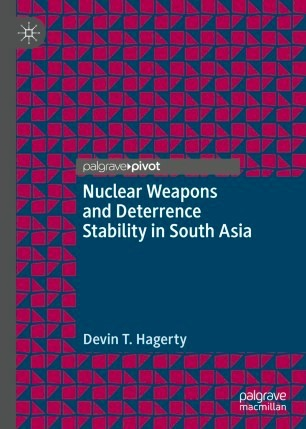
That said, the outbreak of many a crisis between India and Pakistan has, according to a vast group of scholars, put question marks on the stability-inducing effects of nuclear weapons in the South Asian theatre. This has made analyzing the role of nuclear deterrence in Indo-Pak crises all the more important. In his 2020 book entitled ‘Nuclear Weapons and Deterrence Stability in South Asia ‘, ace nuclear scholar, Devin T. Hagerty, looks at the state of deterrence stability in the region, by lucidly analysing as to what role nuclear deterrence had played in post-1998 Indo-Pak crises. After coming across, to a degree, as a sanguine nuclear revolutionary in his path-breaking 1998 book ‘The Consequences of Proliferation’, Hagerty, yet again, brings in nuclear deterrence as a factor of stability. That said, Hagerty’s characterization of stability is similar to Ashley Tellis’, as they both use the term “ugly stability” to describe it. For Hagerty, subconventional violence and simmering acrimony between the two rivals go on to constitute the ugly side of the equation , while nuclear deterrence’s propensity to dampen the prospects of escalation higher up the escalation ladder lends stability.
In a bid to bring in nuance to the discourse on escalation and the nature of stability, it is imperative that new, more dangerous routes of crisis onset be looked at. The author has, by and large, termed Pakistan as the agent provocateur. It is very much possible that another outrageous event, choreographed and authorized by an irrational, revanchist Indian leadership, leads to the next Indo-Pak crisis. Thus, step one could, for instance, be India’s attempt to carry-out a ground offensive in Azad Jammu and Kashmir (AJK), something that its leadership has vowed to do. The debate on crisis onset aside, Hagerty’s attribution of India’s calibrated use of force in crises between 1999 and 2016 to nuclear deterrence, among other factors, is correct. Hagerty rightly notes that, post-nuclearization, large-scale conventional operations were unfeasible. One only needs to compare India’s response to Pakistan’s Gibraltar and Grand Slam operations in 1965 with those to the incursions in Kargil, to understand this point. While India opened frontages in Lahore and Sialkot in 1965, it, out of fear of escalation till the nuclear level, chose to keep its retaliation limited to the same theatre of operations. Hagerty, echoing Snyder’s understanding of deterrence, writes: “It was not the fear of an immediate Pakistani nuclear reprisal that deterred New Delhi from sending its army across the LOC; it was, rather, Indian officials’ understanding that the war could escalate from there to the international border, and perhaps beyond, into the nuclear realm.” That India was not sure about retaining control on the course of escalation, let alone dominating it is something that makes the role of nuclear weapons conspicuous in the South Asian theatre. It is important to note that, prior to the overt nuclearization of the region, military victories were pursued and achieved by both countries. Across crises, as Hagerty’s research-laden book suggests, India’s options against Pakistan were limited due to the veritable fear of escalation with nuclear undertones.
Hagerty also looks at the constraints imposed on New Delhi’s freedom of action by Washington’s crisis diplomacy, India’s lack of conventional offensive power, and its so-called adherence to strategic restraint. Hagerty fittingly says that, absent nuclear deterrence, the other factors might not have held India back. He argues: “Framed another way, nuclear deterrence has been the cause which, if taken away, would have made the most difference. It is difficult to imagine that the Indian political leadership would, in the absence of nuclear weapons, have resisted pressures to order more punitive military strikes against Pakistan.” Hagerty’s argument is solid and grounded in a deeper understanding of India’s military aggression against Pakistan. In the pre-nuclear era, not only did India militarily invade East Pakistan in 1971 but also captured the 78-kilometer-long Siachen glacier in 1984.
Subsequently, Hagerty focuses on two things: the contours of deterrence stability in South Asia and ways through which it can be enhanced. Hagerty plots the Indo-Pak nuclear dyad on a continuum between pure stability and pure instability, by looking at a set of four factors: technological-material, doctrinal, organizational, and political. He contends that the Indo-Pak dyadic equation lies somewhere in the middle of the spectrum. Hagerty dissects the rising political temperatures between the two countries since the 2019 Pulwama-Balakot Crisis. He hits the nail on the head when he terms the festering Kashmir dispute as the source of future crises. He writes: “the Kashmir dispute continues to be the “bleeding wound” of Indo-Pakistani relations, with no end in sight. There remains a distinct possibility of future India-Pakistan crises.” However, rather than focus on India’s illegal annexation of Kashmir and the brutalities that go with it, the author regurgitates Pakistan’s alleged support to non-state actors. This line of thinking percolates in Hagerty’s hypothetical analysis of the ugly nature of stability, where Pakistan, one way or the other, is portrayed as the aggressor. Here, it is important to note that the milieu could become uglier if an Indian leadership, infested by religious zeal and grandiose designs, genuinely feels that changing the status quo is less risky in a nuclear environment. This phenomenon will all but effect a change in India’s doctrinal thinking, as evidenced by its proclivities to tinker with its even-otherwise diluted no-first-use policy.
As Hagerty rightly notes, countervalue doctrines add more to deterrence stability than those that rely on counterforce. The allure of military victories and escalation dominance could feed into India’s counterforce temptations going forward. This has been succinctly fleshed out by Rabia Akhtar. She writes: “A doctrine-driven push towards a counterforce strategy is visible in the Indian strategic conclave. With a doctrine that accommodates nuclear compellence and challenges the very essence of deterrence, it is only a matter of time before India acquires the full-spectrum of capabilities that make counterforce a possibility, however distinct or dangerous it might be.”
Hagerty’s exposition of the factors of stability is, to put it frankly, hardly up for debate. Both the empirical record and the logic of deterrence are strongly favouring Hagerty’s disquisitions. While being circumspect in giving a final call on the utility of nuclear deterrence in the Pulwama-Balakot Crisis, Hagerty does believe that the nuclear factor dictated New Delhi’s and Islamabad’s conventional operations. It is reasonable to argue that, for Pakistan’s Prime Minister Imran Khan, the perceived inability to control escalation and terminate a crisis in an advantageous position, was but a big concern, and rightly so. Hagerty stupendously helps readers understand what Bundy meant by Existential Deterrence. Hagerty rightly outlines that the concept is incomplete without mutual, survivable second-strike capabilities. It is logical to assert that if one of the sides in the dyad feels that the other cannot retaliate, deterrence may not save the day.
Along with Existential Deterrence, India’s and Pakistan’s nuclear doctrines add to stability in the region. Though Hagerty’s deference on Vipin Narang’s assessment of Pakistan’s nuclear doctrine is problematic, his broader point about its deterrent effect is reasonable. The concept of asymmetric escalation needs to be revised in light of the crisis behaviour of Pakistan in the Pulwama-Balakot Crisis. While Pakistan’s response was calibrated, it was India that was willing to change the domain and the intensity of its retaliation mix. That said, Hagerty is spot on in saying this: “Pakistan’s nuclear deterrent dictates that New Delhi consider only smaller, more limited conventional ground thrusts whose outcome would be profoundly uncertain.” Assiduously parsing Bundy’s and Narang’s intellectual contributions, Hagerty concludes that both doctrines induce caution and uncertainty, elements that are critical to deterrence.
Hagerty is alive to the tenuous nature of deterrence stability in the volatile South Asian region. He brilliantly encapsulates the Action-Reaction Syndrome that marks and mars Indo-Pak nuclear dynamics. Hagerty lays bare India’s multiple-audiences problem, and as to how that could force Pakistan to take countermeasures. Indeed, advanced technology and better, faster delivery vehicles, ostensibly meant for China, could be easily redirected towards Pakistan, increasing chances of misperceptions. In sum, Hagerty does not completely deny that deterrence could attenuate and even break. Therefore, he recommends a series of steps that the South Asian titans can take in a bid to reduce the ugly side of the spectrum.
Though Hagerty again puts the onus of subconventional instability on Pakistan, he does acknowledge that both sides need to stop their subconventional activities against each other. While Pakistan has not only depicted political will and commitment to fighting terrorism, it has also taken practical steps to that effect. India, on the other hand, has been found wanting. It has fomented trouble in Pakistan by bolstering Baloch separatists, the Tehreek-e-Taliban Pakistan, and other elements inimical to Pakistan. Yes, Hagerty is right in arguing that subconventional activities must end. This is simply because whatever happens at the subconventional level feeds into the conventional and nuclear levels.
As an astute South Asia watcher, Hagerty is on the money in looking askance at India’s Cold Start Doctrine. It is not only impractical but also dangerous and incendiary, especially given its gargantuan aims that run the risk of breaching Pakistan’s red lines. Hagerty’s other useful suggestions to augment deterrence stability cannot gain traction, unless both countries resolve the Kashmir issue. Hagerty is cognizant of this. He writes: “Enhanced deterrence stability will remain elusive until the two countries’ relationship is normalized.”
All in all, Hagerty’s book is a must-read for scholars and practitioners alike. While it accurately places nuclear deterrence as an inveterate stability-propellant in a hostile relationship, it also surveys some of the threats that could deride deterrence stability in South Asia. Though deterrence has continued to induce caution, it would be reasonable to expect that the very concept may increasingly appear to be a hindrance in the politics of war and escalation, pushing parties to look for options to shift from deterrence to compellence. The question that we all should cogitate on is this: Will nuclear deterrence continue to outlaw nuclear compellence? Hagerty convincingly and academically tells readers that, it indeed will.
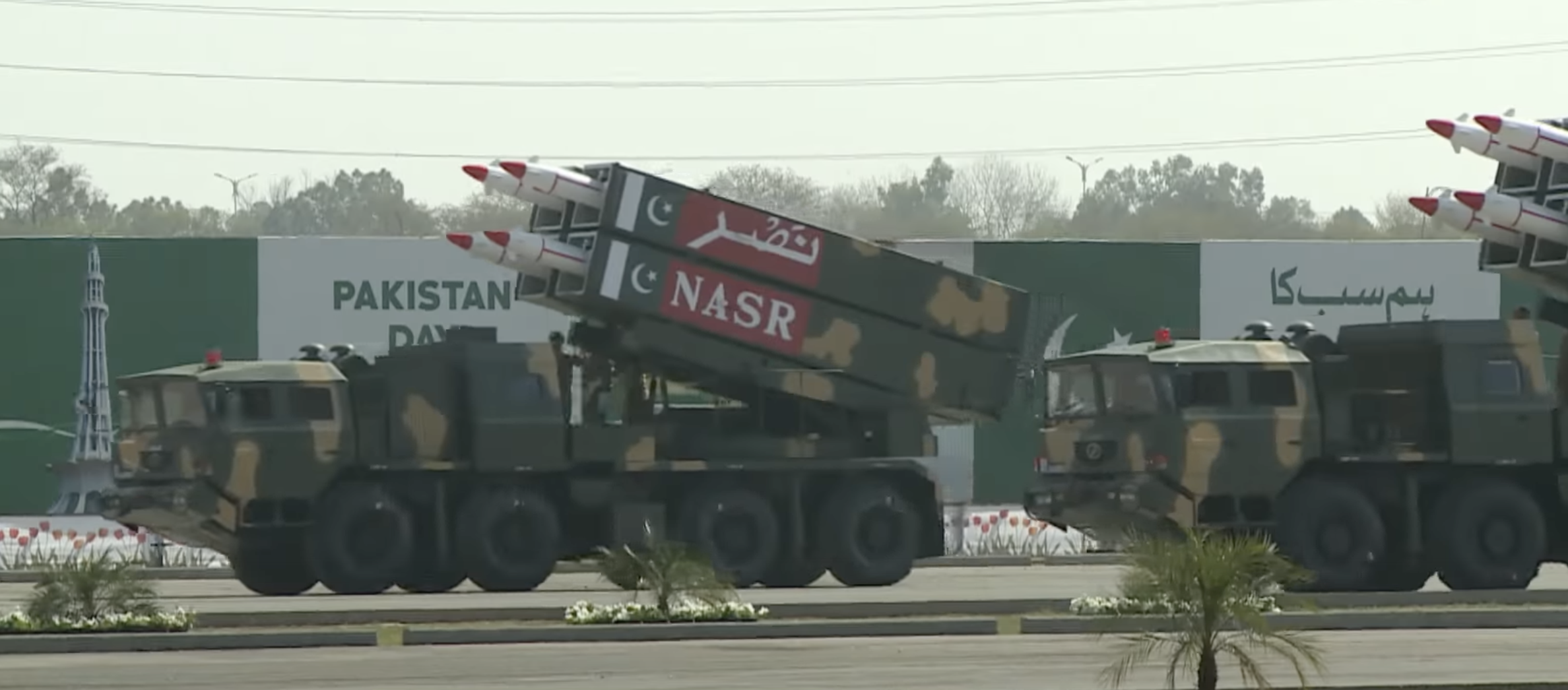
Ever since the Kargil conflict, Pakistan was projected as a state that uses its nuclear capability for coercion and was accused for nuclear blackmail. However, while a lot has been written on the Pulwama crisis, what is often overlooked is the crisis behavior of Pakistan during the Pulwama crisis. Prior to and up till the Pulwama crisis, Pakistan’s Full Spectrum Deterrent Posture (FSD) was believed to be focused on the use of Pakistan’s tactical nuclear weapons Nasr. The assumption was that being conventionally weak, Pakistan would use its tactical nuclear weapon quite early against any Indian conventional attack. The view totally overlooked Pakistan’s conventional military capabilities. Of late, several Indian analysts argued that India should call Pakistan’s nuclear bluff. It was overconfidence of its own capabilities and misreading as well as misunderstanding of Pakistan’s Full-spectrum deterrent posture that India attacked Pakistan on 26 February 2019. However, Pakistan’s response was different from what India and the world anticipated.
Pulwama crisis is significant for several reasons; prime amongst the dominant role played by the Air forces and the use of Beyond Visual Range (BVR) missile and AWACS. However, what has not received enough attention is Pakistan’s crisis behavior during the Pulwama crisis.
What does this crisis tell us about Pakistan’s risk-taking and crisis behavior? The following should be considered to answer this: first, Pakistan made intentional efforts not to escalate the conflict. From the IAF’s failed Balakot strike to PAF’s successful strike on a non-military target in the Indian controlled Kashmir, Pakistan had an option to escalate the crisis yet it intentionally restrained its responses to keep the crisis from escalating. Second, reacting to the 14 February 2019 attack India deliberately escalated both vertically as well as horizontally by attacking Pakistan proper using IAF as it wanted a reaction from Pakistan. Third, Pakistan had to respond to ensure that deterrence is maintained and signal to India that it is capable of defending itself as per its Quid Pro Quo Plus policy yet instead of going for a tit-for-tat reciprocity, Islamabad waited and responded at a time and place of its choosing. Fourth, unlike India, Pakistan kept its response restricted to the disputed territory. Even the decision of how to respond to the Indian attack was aimed at ensuring that no escalation takes place. The PAF, after locking on to military targets such as the Northern Command (15 Corps headquarters), which at the time had senior Indian army commanders present, including the commanders of the 15 Corps and the Northern Army Command, it unlocked and targeted an empty area to ensure that the Indians got the message without escalating the conflict.
In the ensuing air battle, PAF jammed the communication link of the IAF MiG, shot it down and arrested the pilot. In the fog of war, IAF panicked and destroyed its own M17 helicopter killing seven people. Fifth, two days later, Pakistan released IAF Wing Commander Abhinandan unconditionally as a peace gesture. Sixth, Pakistani prime minister repeatedly called for a dialogue and peace. Even the Indian strategic community concedes this point: “ Pakistan’s response stayed at the conventional level. Even at the conventional level, Pakistan’s response was arguably neither escalatory nor proportionate because no Indian facility was hit. Moreover, the Indian pilot whose plane was shot down by Pakistan in an aerial dogfight was returned without any concessions even being demanded from New Delhi.” Seventh, throughout the crisis, Islamabad ensured that it should not take any step that would be taken as reactionary and escalatory. At the same time, it ensured that deterrence stability is ensured. Eighth, Islamabad also avoided any nuclear signaling and maintained deterrence stability using conventional means. Ninth, this approach was in contrast to all projections and analysis according to which Pakistan would resort to the use of nuclear weapons. Tenth, Pakistan turned out not only confident of its conventional capability but also of maintaining deterrence through conventional means alone. Eleventh, unlike Modi’s India that intentionally used brinkmanship, Islamabad remained focused on maintaining deterrence. Twelfth, It was India that brought in the nuclear factor when in operationalized its naval assets including the nuclear SSBN INS Arihant. What is worrisome is that few reports indicated that it was done without authorization of the Indian Nuclear command authority.
One should be cognizant of the fact that Pakistan’s crisis behavior throughout Pulwama crisis was not only based on rational calculations, it greatly contributed to the crisis termination. Pakistan’s demonstration of its conventional capability not only shed away the assumption that it would use nuclear weapons in a conflict situation, it also maintained deterrence using conventional means. At the same time, Pakistan’s crisis behavior contributed to the crisis termination as Pakistan kept its response non-escalatory and measured to ensure no room for escalation of the conflict. Now that the world and India is aware of this, it should bode well for strategic stability between India and Pakistan. Whether it would actually happen? That is a different story.
While there has been a view all along that Pulwama was a false flag operation aimed at achieving Modi’s political objectives, yet many observers thought it might be stretching it too far. The reason for this is not that they believed that Modi is not capable of this but their belief that no leader in the world would get its soldiers killed to win an election.
According to reports that are now emerging indicate that the officials in New Delhi ignored several intelligence reports, and as many as eleven intelligence reports were available that referred to such a possibility. As per an investigative report published in the ‘Frontline’ India reveals that between January 2, 2019, and February 13, 2019, 11 intelligence inputs warning of the Pulwama terrorist attack of February 14, 2019, were ignored.
In the post-Pulwama India, Modi’s New Delhi ensured that anyone that raised questions how it was found unaware of such an attack and if there was any security or intelligence lapse was declared anti India and as someone who has insulted the martyrs. Yet the whole incident turned out to be a a Kafkazian tragedy for Modi. How? Consider: Modi’s response to the 2016 Uri attack created a commitment trap for him when he signaled: “blood and water cannot flow together.” His then defense minister suggested to remove a thorn with a thorn.
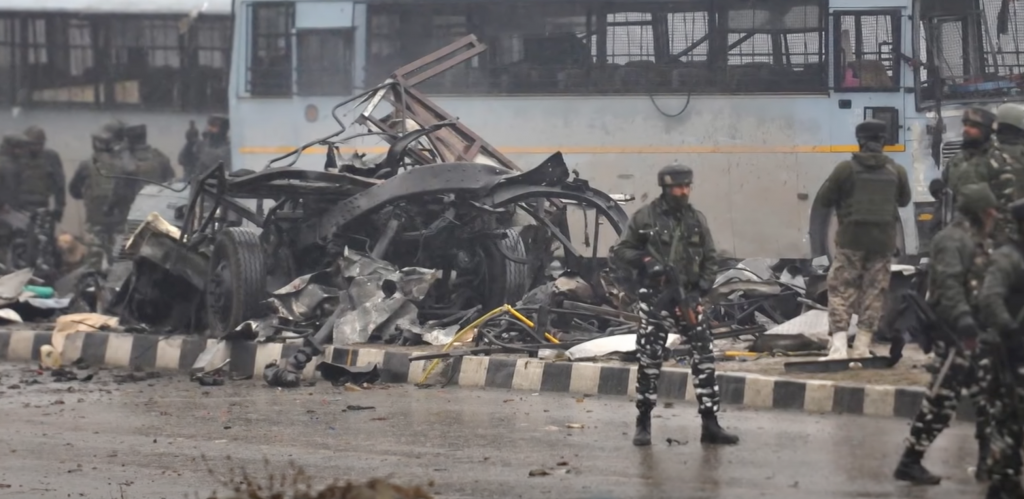
On 14 February 2019, in the most deadliest attack on the Indian paramilitary force stationed in the Indian Occupied Kashmir in recent times a young Kashmiri boy rammed an explosive laden car into their convey killing 44 Indian paramilitary personnel and well above than 70 wounded. On 26 February 2019, India claimed that the Indian Air Force has targeted and destroyed an alleged Jasih-e-Muhammad training camp in Balakot in Pakistan resulting in a huge number of deaths. However, it was soon proven to be incorrect. Several questions remained unanswered: Why Cold Start doctrine was not operationalized if PM Modi really wanted to go for it? What they wanted to achieve from such a strike? Did they get what they wanted? If not, what options did they have and were these exercise any of these?
The next day, Islamabad responded to the Indian strike by locking on a key military installation and then targeting an empty area to signal its capability, but opting not to escalate. In the ensuing air battle, PAF jammed the communication link of the IAF MiG and shot it down. The pilot was arrested. In the fog of the war, the IAF panicked and destroyed its own M-17 helicopter killing seven people. India also mobilized its Navy and deployed an Indian Navy task force including INS Vikramaditya, in the north Arabian sea. In May 2019, the Indian Naval chief claimed that during the crisis Indian Navy was “combat ready and mission deployed”, and if needed would have destroyed the Pakistani Navy. Ironically, the Indian Navy could not locate Pakistan Navy’s Agosta-90 B submarine throughout the crisis. Whereas Pakistan Navy’s P-3C Orion aircraft compelled the Indian Navy’s most advanced Scorpene-class submarine to surface.
Two days later, Pakistan released IAF Wing Commander Abhinandan as a peace gesture. PM Modi made several hints to the fact that had he not been returned, India was ready to target Pakistan with missiles. Islamabad, on its part promised to respond with a by 3 to 1 ratio.
Whether it was part of New Delhi’s initial strategic assessment or not, Pulwama crisis introduced several new trends and busted several myths. For the first time, Indo-Pak Air forces played the dominant role in the crisis. Although IAF failed to achieve its objective yet the use of Beyond Visual Range (BVR) missile and AWACS was significant. Had PAF not unlocked after locking on its targets, the possibility of hitting more Indian targets existed that would have further embarrassed New Delhi and escalated the crisis. Pakistan had the option to escalate yet it intentionally restrained its response.
A closer look at the crisis behavior of India and Pakistan divulges contrasting trends: India chose to attack mainland Pakistan using the Air Force. Its projection of the attack as a non-military target and not against the state and military of Pakistan was puzzling to say the least. Unlike India, Pakistan restricted its response to the disputed territory, after locking on to military targets such as the Northern Command (15 Corps headquarters), it unlocked and targeted an empty area to ensure that the Indians get the message without escalating the conflict. Islamabad shot down an IAF MiG and unconditionally returned the pilot. The Pakistani Prime minister repeatedly called for a dialogue and peace. Even the Indian strategic community concedes this point: “Pakistan’s response stayed at the conventional level. Even at the conventional level, Pakistan’s response was arguably neither escalatory nor proportionate because no Indian facility was hit. Moreover, the Indian pilot whose plane was shot down by Pakistan in an aerial dogfight was returned without any concessions even being demanded from New Delhi.” Pakistan which has always been blamed for using the nuclear card and the one instigating crises, demonstrated a responsible nuclear crisis behavior. Unlike Modi’s India, it ensured that deterrence is maintained without escalating the conflict.
However, there are several points that must push the South Asian strategic community to ponder further on this crisis. What if Islamabad opted to beyond a tit for tat response and escalated the crisis? The role that Washington played in this crisis proved that it is not an honest broker and that interests are paramount in international politics. Above all, why PM Modi opted to do this despite being fully aware that such an action would not achieve him anything and why at that particular time? And why New Delhi ignored intelligence warnings? Oscar Wilde’s dictum ignoring one warning was misfortune, ignoring 11 was carelessness. More worrisome is that this carelessness could have caused unimaginable consequences for both countries.
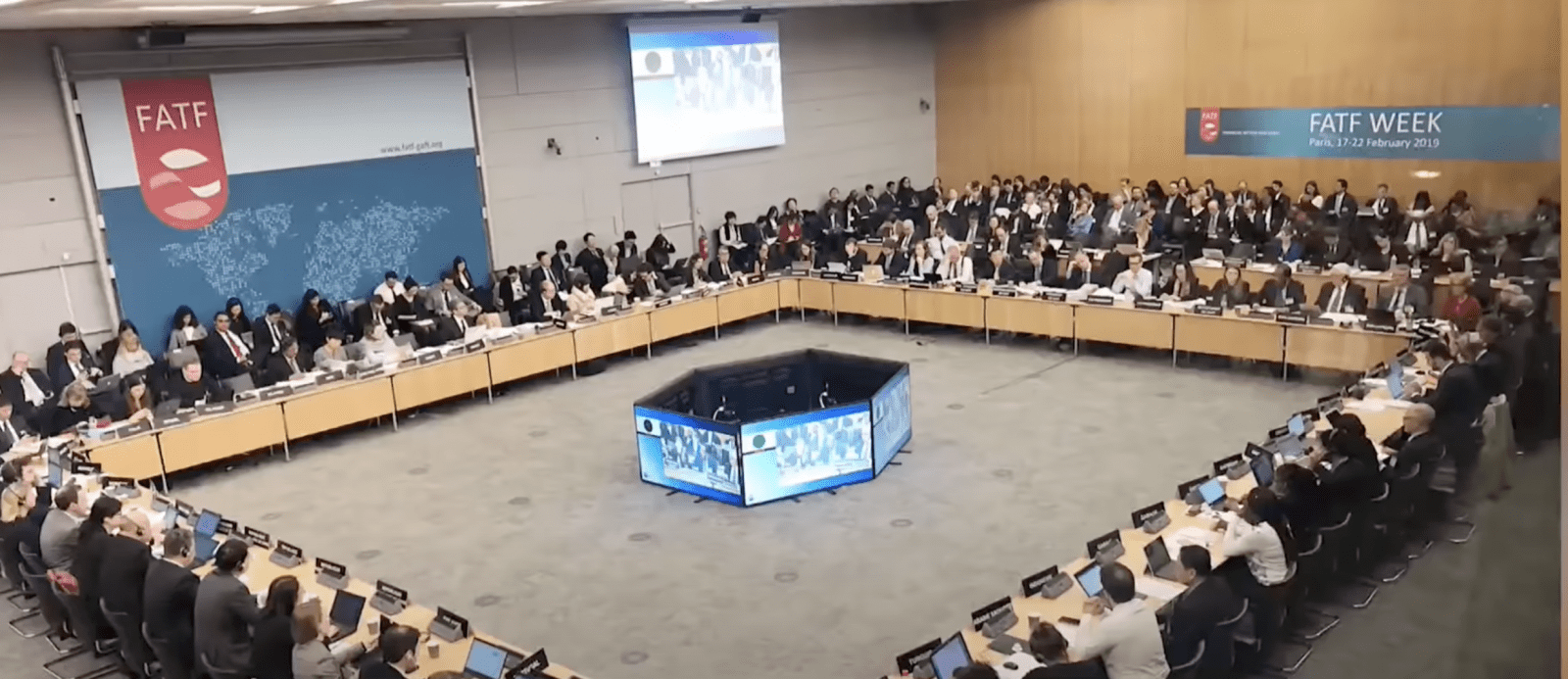
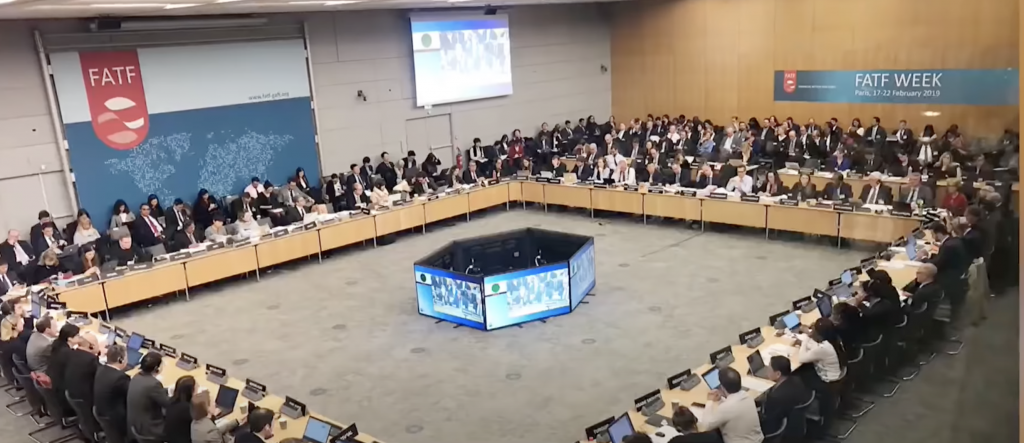
Last week, the Financial Action Task Force (FATF) decided to keep Pakistan on its ‘grey list’, with the country’s status set to be reviewed next at an extraordinary plenary session in June 2021. The FATF President Dr. Marcus Pleyer while reiterating that Pakistan has made progress noted that it “is not the time to put the country on the blacklist”, but urged the country “completion of the plan”. Pakistan on its part has complied with 24 out of the 27 actions suggested by the FATF.
Although despite the country making significant progress on the recommended actions, remaining on the grey list has disappointed many. The decision is all the more surprising because the watchdog has been all praise for Pakistan’s efforts to comply with the demands of the anti-money laundering and combating financing terrorism (AML/CFT) action plan throughout the process. It not only has earned bad name for the country but the financial price is even higher. Pakistan has suffered a massive loss of $38 billion over the years due to its grey-listing, unveiled in a research paper of Islamabad based think tank. The research paper titled ‘Bearing the cost of global politics – the impact of FATF grey-listing on Pakistan’s economy’ states that that grey-listing events spanning from 2008 to 2019, may have resulted in cumulative GDP losses worth $38 billion. This is a travesty particularly seeing that the country is suffering from a persistent Balance of Payments (BoP) problem and needs all the money it can save. This much loss is momentous for cash strapped Pakistan which is reeling with financial crunch and unbridled inflation at home. To stay in the list for another three months means Pakistan will have to bear more loses.
Another aspect that Pakistan should keep in mind is that despite Islamabad’s efforts to comply FATF’s 27 points, there remains a trust deficit. The global financial watchdog is not ready to let loose on Pakistan until the latter gives complete assurance and performance on all the 27 points. The trust issues was pretty evident when Dr. Pleyer said Pakistan is making progress but there remained some “serious deficiencies” in mechanisms to plug terrorism financing. The statement makes it clear that unlike previously, the world wants complete compliance with the FATF’s exacting standards this time around. And so, there is apparently no choice for Islamabad but to work swiftly and show progress on the rest of the FATF action plan.
Even if Pakistan gets off the grey listing, it doesn’t ensure that the country would not get back to grey or blacklisting. The past proves this point. Pakistan was put in the grey list but was white-listed in 2015 when the then government curbed money laundering and worked effectively on the action plan provided by the FATF. There were even fears at that point which were highlighted by the then Minister for Finance Ishaq Dar that had Pakistan remained in the grey list for another few months, it would have been demoted to the black list. Now in 2021, if Pakistan is taken off from grey list and is white-listed, any negligence by the state or departments concerned with financial matters may end up putting Pakistan in the grey list, again.
The three remaining points on which Pakistan still needs some progress are related to TF (terror financing), investigation and prosecution, demonstrating that the prosecution is effective and targeted financial sanctions against designated terrorists. Islamabad has already worked on these points to some extent; security agencies have upped the ante and conducted operations against designated outfits such as Jaish-e-Mohammad (JEM) and Jamaat-ud-Dawa (JUD). A prominent JUD leader Hafiz Saeed was convicted in two TF cases which carry 15 years sentence in total. However, there has been a grim history when it comes to prosecution of these outfits and their leaders. The top leaders were convicted in the past but they come clean after some time. This arrangement was taken as a stick and carrot policy by the international community so it has always been asking Pakistan to do more. Now when security agencies have become vigilant and prosecution is making headways, Pakistan hopes that by the next meeting of the FATF, it will have solid case to present.
Last year, the FATF softened its stance towards Pakistan when the latter’s readiness and action on 21 out of 27 point action plan made headways. And the financial watchdog’s recognition of another 3 points gives more hope to Islamabad that it is nearing the finish line. The Opposition, despite its severe differences and reservations, cooperated in passing out three bills, inevitable legislation, at a joint sitting of the parliament in September last year.
Avoiding blacklisting is a big feat of the incumbent Pakistan Tehreek-e-Insaf (PTI) government but staying in grey-list doesn’t bring respite. The core objective should be to get white-listed before more miseries pile up on the economic front. To this end, PTI not only needs to cooperate well with the opposition, such as avoiding initiating cases for political point scoring, but the onus task to get off the grey-list needs greater diplomatic efforts, too. The government must not leave out the possibility of lobbying on the part of other states, particularly India, to influence the final result. The government’s seriousness in the coming days will set the course whether Pakistan is about to get off grey list or not.
The US had maintained its leadership role on arms control issues with the help of like-minded countries and allies before President Trump started to unravel some of the key arrangements that were negotiated by the previous Obama Administration. Trump’s abhorrence towards multilateral institutions and his eagerness to transform strategic partnerships into transactional relationships raised serious questions about the US credibility as a global leader, and its ability to develop consensus on nonproliferation related issues.
President Biden has promised to reverse these trends and has already extended New START with Russia for another five years term. At a recent Munich Security Conference he also promised to rebuild US credentials and confidence in military alliances with NATO and other strategic partners, but this seems to be an uphill task as the United States itself is more divided internally; Europe is more fragmented and uncertain about its future; UK is struggling to ascertain its position in global affairs after the Brexit; Russia is again asserting itself to be recognized as a credible nuclear rival; and most importantly, China wants to be treated as an equal, and is not likely to join US led arms control initiatives that mainly serve the western interests.
Former President Trump was blamed for reversing the earlier gains made by the previous Obama Administration, as he refused to extend the New START and abrogated the Joint Comprehensive Plan of Action (JCPOA). Once in office, he was also criticized for following unconventional path in dealing with the North Korean nuclear issue, which nevertheless did not yield any positive outcome. But, realistically speaking, all of these issues have remained controversial in Washington and have never enjoyed bipartisan support.
President Trump’s approach towards major multilateral arms control issues, such as the NPT, CTBT or the TPNWs, was no different from the previous administrations; and it is quite likely that President Biden will not have much leverage to fundamentally alter the US approach towards major arms control and disarmament arrangements, as was the case of President Obama, who gave the vision of a ‘world free of nuclear weapons’ and also won a Nobel Peace prize, but was also realistic enough when he admitted in his Prague speech of 2009 that the objective cannot be achieved in our lifetimes.
Under Biden Administration, there could be some cosmetic steps, which may appear significant as compared to the Trump era and may be projected by the D.C. based think tank community as a significant shift, but the US is unlikely to ratify CTBT or the TPNWs, or change its position on Article VI of the NPT, which has emerged as a major issue for the NPT’s credibility, and had forced majority of the NPT NNWS to negotiate a parallel arrangement in the form of TPNWs.
Notwithstanding this gloomy prediction about the future of the arms control, the extension of New START by President Biden is one positive gesture that has helped revive hopes amongst the arms control community. However, if this move is intended to maintain current US and Russian inventories for another five-year period, with no further reduction of nuclear weapons, then this hope may prove to be short-lived and could further erode the international confidence, making it difficult to maintain the sanctity of the existing treaties or negotiate new arms control arrangements.
The Future Arms Competition. Future arms competition will not be limited to nuclear or conventional military, but most certainly would involve other disruptive technologies, such as cyber, AI, hypersonic weapons, space-based assets, etc., which could lead to what James Acton from Carnegie Endowment has described as nuclear entanglement. This new potential arms competition may not be restricted to state actors alone, since several of these technologies are being developed by non-state entities, which makes it further difficult to build a common understanding and negotiate new arms control arrangements.
At the regional level, more specifically in South Asia, some of these technologies could have serious implications for strategic stability. India’s desire to build hypersonic weapons, primarily to demonstrate its technological achievements and to be recognized at par with other global powers, is likely to affect Pakistan’s threat perception. Due to short flight time of few minutes for non-hypersonic weapons, it is not clear what additional advantages India can accrue by employing hypersonic weapons, especially once Pakistan has not indicated the desire to build a BMD shield.
Development of anti-satellite weapons (ASAT) capabilities is emerging as another challenge. While the major powers were already competing for space domination, the desire by regional powers like India may expand the competition horizontally and complicate the existing efforts to prevent militarization of space.
Implications of the US policies on South Asia. US policy towards South Asia is not likely to see a major change under Biden Administration. There seems to be a bi-partisan consensus in US policy circles that India’s military as well as political stature needs to be enhanced as part of China containment strategy with an expectation that India will stand up to China in the future. This is a fallacy propagated and nurtured mostly by influential pro Indian lobbies in Washington.
The contours of India-US strategic partnership and US desire to create exceptions for a country that had long remained a country of concern does not indicate that the US would be willing to undo its newly built strategic partnership with India. The US efforts to bring India into the mainstream nonproliferation regime by creating exemptions in the NSG guidelines and advocating for India’s full membership, while neglecting Pakistan’s plea of a non-discriminatory approach, is reflective of the future trends.
As of now, the Indo-Pacific strategy holds primacy for the US as it prepares for a long-term strategic competition with China. India has built its case of a key player in the evolving geo-strategic competition between US and China, and is exploiting it to modernize its military capabilities that are more likely to be used against Pakistan, and not China. This is likely to have adverse impact on strategic stability in South Asia.
By siding with India and disregarding the sensitivities of other regional countries, the US has lost its remaining credibility of a neutral broker. This has also encouraged India to disengage from Pakistan on regional arms control issues opening the possibility of misinterpretation of each other’s intent and capabilities. In the absence of a communication breakdown and the unlikelihood of a third party (i.e. US) playing a mediating role between India and Pakistan, there is a greater possibility that a potential future crisis may quickly escalate into a serious military conflict between the two nuclear armed neighbours with consequences for regional as well as global security.
Conclusion. The US nuclear policy under Biden may not offer prospects but could instead add more challenges for Pakistan. If the new Administration continues with its India-centric approach, it will have direct bearing on nuclear arms control and nonproliferation efforts in the region. With the US-China rivalry intensifying, there is also a likelihood that Pakistan may come under increased pressure for its close alliance with China, and it may have to once again bear the brunt of an evolving great power competition.
On nuclear arms control and nonproliferation related issues, Pakistan has always maintained indigenous and principled approach, which is not likely to change under pressure. It is therefore necessary that Pakistan continues to remain constructively engaged with all nuclear arms control and nonproliferation related initiatives, to avoid misperceptions.
Finally, if President Biden is serious in reviving confidence in the US leadership on arms control and nonproliferation issues, he may consider following the footsteps of former President Obama and could work on a leadership level summit on the pattern of Nuclear Security Summit (NSS) process. This initiative, if led by US, China and Russia, and participated by all relevant parties may help revive confidence in the existing arrangements and resolve key political differences amongst the global community. As was the case for NSS, the proposed initiative has to be inclusive and non-discriminatory with a purpose to develop consensus on core issues.