
Assessing the Trends of Globalization in the Covid Era

Globalization has proved to be a game changer for the whole world in terms of mobility of people resources and capital; the flow of people and resources has also made the flow of diseases especially viral diseases through global interconnectedness. The year 2019 proved to be fatal for the whole world as coronavirus observed in Wuhan city of China spread in a way that in March 2020 Covid-19 was declared a pandemic by WHO and in October 2020, the number of confirmed cases was more than our imagination and millions of people have died throughout world. The Coronavirus was reported in China initially and later due to free movement of people across borders and lack of availability of information on its symptoms and causes it spread to almost all over the world and hit the states from highly developed states to least developed states and alarmed the Global Health and Security.

According to World Health Organization, the total number of covid cases registered is 174 502 686 and3 770 361 people died due to Corona. The pandemic has also posed a great impact on health care systems and a huge burden on the world economy and social set-up and contributed to the shift in Globalization trends. Since the occurrence of Covid 19, the world has totally changed and it has left strong impacts on global security as states have faced many challenges in health, domestic and economic sector and a complete shift in Globalization trends.

Although globalization has ensured economic and cultural growth in the recent past but as mobility of people across borders become easier, the spread of diseases also became easier as the bubonic plague was transmitted from China to Europe through trade routes and influenza pandemic spread during WW1 due to movement of armies and Asian flu of 1957 was spread via land and sea travel. Hence, the global transmission of diseases has been amplified by the phenomenon of globalization and there is link of how the close integration of people and flow of trade and commerce also causes disease transmission. The lockdown measures adopted by states to counter the spread of virus during the global pandemic in has not only impacted our livelihood but also affected the economy in terms of supply and demand as marketplaces were closed most of the time and decelerated the economic growth of affected countries which reduced trade and increased poverty.

Although, there were negative impacts of globalization to various areas like trade, education, health, travel and tourism sector but there are also some areas that have seen growing demand like online websites, you-tube channels, online apps like zoom etc. Moreover, the low and middle income countries like Pakistan have faced a collapse in health care systems. The countries like Pakistan, India have faced bed shortage, non-availability of oxygen cylinders, lack of trained staff and doctors, less ventilators and hospitals. The lockdowns and restricted movement have put pressure on transportation systems resulting in loss of income, disruption of global trading and tourism and loss of production, and employment. The tourism industry faced a major blow as there was complete restriction of movement of people and many states have to impose lockdowns to stop the spread of virus.

Unemployment has become a major issue as the jobs related to industries have shown a decline of fourteen percent. Many businesses have to cut down their employees as they were at a loss. The education sector has been affected too mostly in developing and under developing states. For example, initially when the schools, colleges, and universities were closed the students as well as teachers couldn’t adapt immediately to online mode and that made it difficult to acquire quality education. Moreover, the states like Pakistan where internet availability is limited and there are many households that lack access to the internet especially in rural areas, education could not be provided through online mode. Although the studies at the University level continued through online mode, but primary and secondary education sectors were severely affected. And this is clear, that the learning acquired by attending institutions and learning at home through online mode is very different and the latter requires self-regulation that is very less in today’s youth who have various other distractions in terms of electronic gadgets, social media, and mobile phones.

COVID became a global issue in the past two years and all the states and international organizations were active to cooperate and spread awareness and adopted measures that could halt its spread. It affected all states and posed challenges on economy, health, education and made it necessary for states to recheck their health management systems as their capacity has also been tested in these two years. The developed states like US have faced difficulties in controlling the spread of the epidemic and the less developed have been further unable to respond to and control the situation.  The Covid has not only posed challenges to economic and health system but the trends of globalization have also shifted. The states adopted counter strategies where institutions were closed, lockdowns were implemented, travel banned and people have to restrict movement.

In short, Covid has been and still is a challenge that states are facing and all states and international organizations have cooperated to fight this evil through research on its causes and effects. The Global Community has been successful to produce vaccines that will control the spread of Corona in the future and generate immunity for viruses among people. The fight against Corona is still there and the future holds secrets of this global virus that has changed the whole global structure and posed challenges to developed and underdeveloped states equally as no one was prepared for this deadly outbreak. There will not be a complete shift in globalization trends in the near future as it will be able to survive through certain challenges that Covid has brought to its face, but it will emerge differently. By the end of Corona, many states will have the opportunity to evaluate their capacity to fight sudden out-breaks. Moreover, removing travel bans will spur the terrorism and travel sector. The industries and businesses will also work hard to compensate for loss and with collective effort, everything will be normalized and humans will adapt to the new normal.
National Security Law of Hong Kong: Indicator of Chinese Colonialism

The Hong Kong crisis is not something new. This former British Colony situated on China’s southern coast is meeting the same fate as many others did after the British decided to leave. When the British government handed over Hong Kong to China in 1997, China pledged that it would allow Hong Kong and the people living there with absolute political autonomy under the “one country, two systems” principal. It means that china would be a one-party state and Hong Kong would be a special administrative region (SAR) of China for 50 years having its capitalist economic system, own currency, legal and legislative system and freedom. However, Beijing had side by side been steadily taking steps to encroach on Hong Kong’s political system and snatch away its freedom

A new extradition bill for Hong Kong was introduced by China in June, 2019. This bill would have allowed all the criminal suspects from Hong Kong to be sent to mainland China for trial in courts controlled by the Communist party. This would have given China complete authority to punish people for raising their voice for a pro democratic Hong Kong. People opposed this bill and took to the streets. Massive protests were being carried out against this proposal and they involved broader anti-China and pro-democracy movements. The bill got postponed for the time being however, the people of Hong Kong kept criticizing China for trying to deprive them of their freedom.

The Final Nail in the Coffin.   After this massive backlash, in order to completely make sure that it does not happen again, Xi Jinping hammered the final nail in the coffin through a new national security law. Beijing took its most assertive action on 30th June, 2020 when it passed a national security law for Hong Kong. This law has been named the end of Hong Kong as it criminalizes any act of succession. It also criminalizes subversion and terrorism which can be punishable by a maximum life sentence in prison. Basically, it means that anything that China considers to be against it or threatens China in any way, could be punishable by law. According to this law, Beijing would also establish a new security office in Hong Kong to safeguard national security. This would increase the possibility of Chinese security forces on the streets of Hong Kong.

China is using this law to eliminate its political opposition. This security law gives China the power to prosecute and punish people opposing China’s control over Hong Kong. The police have arrested dozens of Hong Kong’s prominent pro-democracy activists and law makers. These moves have suppressed the uprising and silenced people who had fought for democracy. With the national security law imposed, library books have been removed from the shelves to be screened for offensive content, political slogans have been branded illegal. A 19-year-old was arrested merely on the suspicion of inciting secession through his social media posts. Many activists have fled Hong Kong in order to seek asylum in foreign countries.

It is a way for China’s government to crack down on the protests that have engulfed Hong Kong and assert its influence over the city’s judicial system and also eliminate the liberties like freedom of speech, right to protest and open press, as permitted in the basic Law of Hong Kong. It also includes banning foreign interference under national security. It means that the law could also stop international lobbying by pro-democracy activists. The penalty will be much heavier as all of it will come under the national security law. International NGOs operating in Hong Kong will also not be safe. Media will be at risk. All of this is aimed to deprive Hong Kong of freedom and autonomy. Unlike China, Hong Kong had a system of independent judiciary. However, after the security law, the judges to preside in these matters will be hand-picked by China itself. China will have the power to impose its own laws on any of the criminal suspect it chooses.

It is believed that Xi Jinping got alerted and decided to bring about the new national security law after pro-democracy parties in Hong Kong won victories in the district council elections. It would have meant that Hong Kong’s legislature might have disapproved the pro-Beijing policies hence Xi and his allies began preparations for using the national parliament to enact the security law. Xi appointed his trusted officials to top government posts to handle the Hong Kong’s affairs.

This national security law is considered to be a power move after being hit by Covid-19. Xi Jinping clearly understands that he was weakened by the pandemic which is more reason why he needs to reassert his authority in Hong Kong and making it an example for the world, especially the United States. Xi has been very thoughtful in his policies as within minutes of passing of this new security law, its effect was obvious. Pro-democracy activists in Hong Kong began to quit fearing the punishment that might fall on them.

Xi Jinping knew exactly how the response of this law would have been from the Hong Kong and the rest of the world and he made sure that there was no loophole. The law clearly states that there should be no foreign interference in the affairs of China and Hong Kong. This is the reason that despite having international backlash, China stands strong on its decision. Another factor that has played very well in this situation is how China has created a chokehold in the international community through its BRI project. The countries involved in it refrained from speaking out against China’s security law. During the 44th session of the United Nations Human Rights Council, 27 countries including Britain, France, Germany, Japan, Australia, Canada, New Zealand, Switzerland and UE stated that China must reconsider the law which undermines Hong Kong’s freedoms. However, 52 others supported the law most of which are partners with China in the BRI stated that Hong Kong affairs are China’s internal affairs that require no interference by foreign forces.

Nuclear Trafficking in India

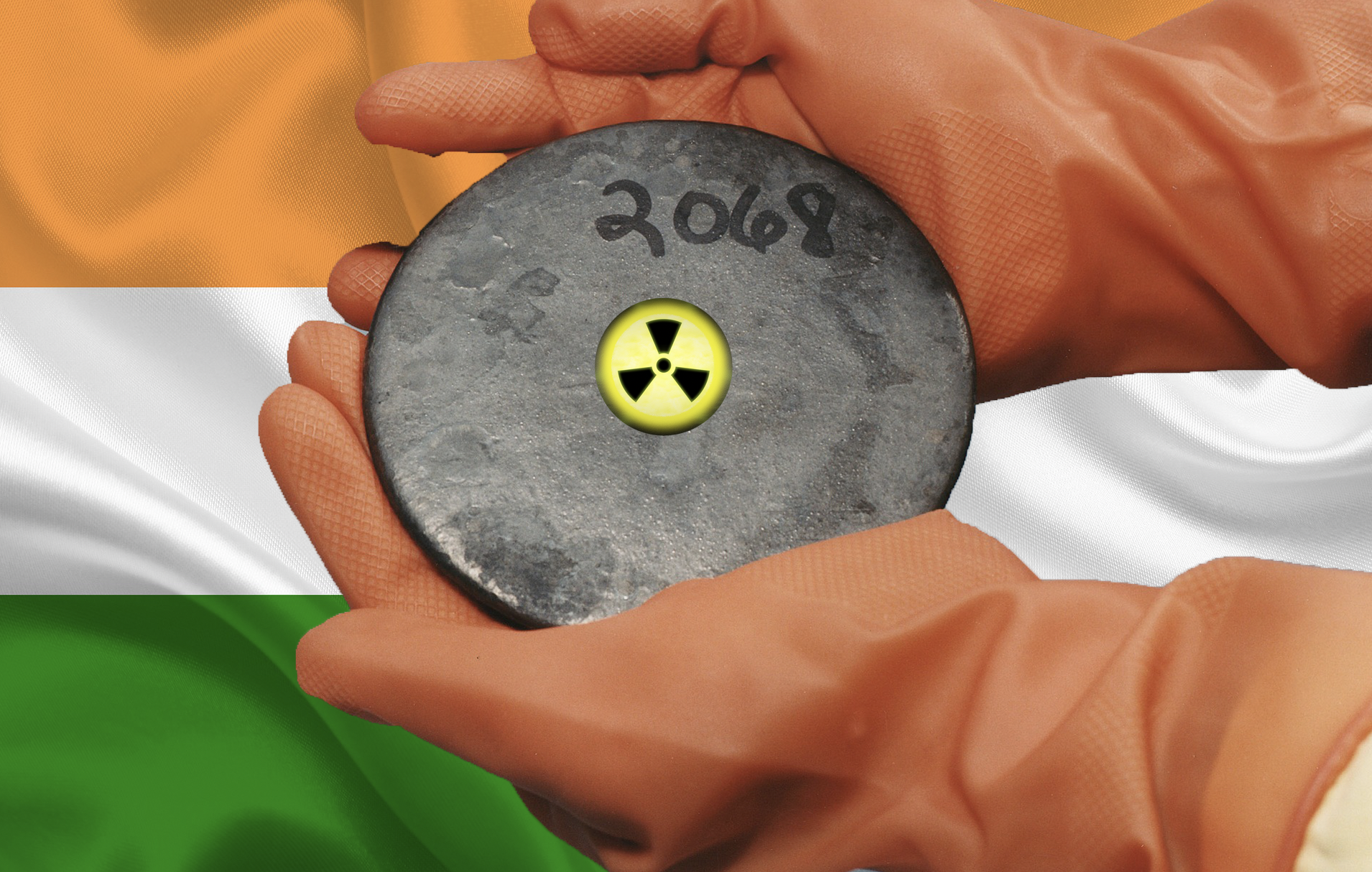
Indian security agencies, on 3 June 2021, arrested seven people and seized 6.4 kilogrammes of uranium from their possession, making it the second time in less than a month that authorities have captured a large quantity of radioactive material from unauthorized persons. Last such incident took place in Indian state of Maharashtra on 5 May 2021, where more than seven kgs of Uranium was seized. 

The latest incident of nuclear theft took place in the eastern state of Jharkhand in Bokaro district which is home to uranium reserves. The increasing incidents of nuclear trafficking in India have rung alarm bells across the globe. In response to these disturbing developments in India, Pakistan and the world has rightly raised concerns over the safety and security of nuclear material in India. Pakistan’s foreign ministry has demanded a thorough investigation into the reports of illicit uranium trafficking in India.

The United Nations Security Council Resolution 1540 and the IAEA Convention on the Physical Protection of Nuclear Material (CPPNM) make it binding on states to ensure stringent measures to prevent nuclear material from falling into wrong hands,” reads the Pakistan Foreign Office Communiqué. The press release also added, “It is equally important to ascertain the intent and ultimate use of the attempted Uranium sale given its relevance to international peace and security as well as the sanctity of global non-proliferation regime.”

The safe and secure operations of nuclear installations and facilities have always been important aspect of a country’s nuclear safety and security mechanism. The increasing cases of nuclear related incidents has indeed jeopardized India’s aspirations to become a de-jure member of Nuclear Suppliers Group (NSG), a 48-nations body which controls global nuclear trade. With these incidents, India’s position has already been put in an awkward position with international pressure mounting over India’s poor safety standards. A leading US non-proliferation watchdog, Nuclear Threat Initiative (NTI) nuclear security index gave India lowest ranking for its poor safety and security of nuclear material in its latest report. Why has India consistently been receiving poor ranking from international watchdogs? Here are the reasons behind India’s poor performance with respect to its nuclear safety and security. 

The first recorded incident of nuclear smuggling in India dates to November 1994, when Meghalaya Police seized 2.5 kg of uranium from a gang of four smugglers in the Domiasiat region. In June 1998, Police arrested an opposition politician in the Indian state of West Bengal, who they said was carrying more than 100 kilograms of uranium.  In July 1998, the Indian Central Bureau of Investigation (CBI) unearthed a major racket in theft of uranium in Tamil Nadu, with the seizure of over eight kg of the nuclear material. In August 2001, Police in the Indian state of West Bengal arrested two men with more than 200 grams of semi-processed uranium.

In 2003 yet again, Indian agencies caught members of a terror outfit in a village on the Bangladesh border with 225 grams of milled uranium. In December 2006, a container packed with radioactive material was stolen from a government run research facility in eastern India!

In 2008, another criminal gang was caught attempting to smuggle low-grade uranium from one of India’s state-owned mines. As per Indian Government officials, in 2013, guerilla fighters in northeast India illegally obtained uranium ore from a government-run milling complex in northeast India and strapped it to high explosives to make a crude bomb before being caught by police. As if this was not enough, in December 2016, around 9 kg of radioactive uranium was seized from two persons in Thane. Yet again in early 2018 a uranium smuggling racket was busted by the Kolkata police with one kg of radioactive material. The pattern of nuclear smuggling in India and government’s inefficiency to restrict non-state actors from acquiring nuclear material clearly suggest that there exists a nuclear black-market in India which has deep roots in Indian nuclear safety and security mechanism. 

Two major nuclear theft incidents in just one month in 2021, suggest that the guardians of nuclear facilities may also be involved in such heinous crime. Though India refuses to acknowledge this fact, it has no answer for why and how such huge quantity of yellow cake is out of government’s control. India claims to be a responsible nuclear weapon state, but recurring instances of thefts demonstrate that nuclear material is on sale in India. 

The global community has a shared responsibility which is a zero-tolerance standard to be adopted for the loss of any nuclear materials that may be fashioned into a bomb. In 2008, NSG gave a trade exemption to India. As a result, India gained access to international uranium market and has developed a large uranium reserve. NSG countries must take steps to hold India accountable for lapses in nuclear security. Repeated nuclear incidents undermine global peace and security. For India it is important to secure nuclear material at home instead of seeking access to more uranium reserves abroad.

India’s Nuclear Black Market

On June 4, 2021, Indian police arrested seven people and confiscated 6.4 kg of uranium that the accused were trying to sell in the black market. In a similar episode on May 5, 2021, Indian police arrested two men who were trying to sell 7 kg of uranium. These two incidents in quick succession raise serious concern about India’s nuclear security credentials, and more worryingly the possibility of a thriving nuclear black market within India that could be used by some state or non-state entities to acquire material that once enriched could be used for making nuclear bombs.

Why It Matters?         Natural uranium cannot be used for making bombs, but if used along with conventional explosives by non-state actors, it could cause significant radioactivity and danger to human life. A series of incidents also suggest that there is significant supply and demand, and the customers are willing to pay as much as 3 crore Indian rupees for 1 kg of uranium. There is also a likelihood that uranium in large quantities may have already been smuggled out from India’s Jharkhand mines and sold in the black market, which if bought by an aspiring nuclear weapons state could be used in making bombs.

Interestingly, the group of accused smugglers in the recent incident were carrying uranium in leather pouches with ‘Made in USA’ seals, but it is more likely that the material may have been procured from a uranium reprocessing facility in Jaduguda where Uranium Corporation of India Limited (UCIL) operates a uranium reprocessing plant.

Reacting to the recent incident, the spokesperson of Pakistan’s Ministry of Foreign Affairs has termed it “a matter of deep concern” as it highlights India’s “lax controls, poor regulatory and enforcement mechanisms.” India is a party to IAEA’s Convention on Physical Protection on Nuclear Material (CPPNM), which makes it obligatory to ensure the security of all nuclear facilities and material. The UN Security Council Resolution 1540 passed in 2004 under Chapter VII of the UN charter also makes it mandatory for all the member states to strengthen their security measures and ensure that equipment and material that could be used in weapons of mass destruction (WMD) does not fall into the hands of the non-state actors. The two recent incidents of nuclear smuggling violate both of these legal obligations exposing serious deficiencies in India’s nuclear security architecture.

Under the UNSCR 1540, all states have an obligation to draft laws and institutionalize implementation mechanism that could deal with nuclear theft related incidents; however, the recent arrests have been made on the charges of concealing and disposing of stolen property, which again is in contrast to India’s obligation under the UNSCR 1540.

Nuclear security incidents involving theft and smuggling of nuclear material are reported to IAEA’s Incident and Trafficking Database (ITDB), which are shared with member states to draw requisite lessons and improve their national nuclear security architectures. It is not clear whether India had earlier shared such information with the ITDB or not, since there has been no major concern by the international community on the increasing frequency of nuclear theft happening in India.

India’s Nuclear Security Credentials.     Nuclear security remains a national responsibility, but all states are accountable for their action or inaction, which could potentially threaten international security. The series of nuclear proliferation incidents happening in a country that was granted exemption from the guidelines of the Nuclear Suppliers Group (NSG), despite being a non-signatory to the Nuclear Nonproliferation Treaty (NPT) indicate that exceptions made for commercial and political dividends while ignoring the ground realities and merit could eventually unravel the global nuclear security regime.

The US and several supporters of India’s permanent membership of the NSG continue to plead India’s case by citing its “impeccable” nonproliferation credentials and side stepping the fact that the 48 member NSG came into existence after India demonstrated how peaceful nuclear technology could be misused for developing nuclear weapons and testing a device in 1974.

As a consequence, India remained ineligible for nuclear related trade for almost three decades and was allowed to enter into civil nuclear cooperation in 2008 as part of the India-US strategic partnership. The main argument given in support of the nuclear deal was that India is a responsible country and must be brought into the mainstream nuclear nonproliferation regime.

During the Nuclear Security Summit (NSS) meetings, which was a leadership level initiative launched by President Obama to raise greater awareness on nuclear security issues, India continued to flaunt its nuclear security credentials and joined most commitments made at the leadership level. More significantly, it voluntarily adopted the initiative on strengthening nuclear security implementation, later formalized as the IAEA document and labelled as INFCIRC/ 869. By joining this initiative India committed to support IAEA’s “fundamental principles” of nuclear security, which includes INFCIRC 225/ Rev.5 and provides guidelines on physical protection of nuclear material and facilities.

As part of the commitments made at the NSS, India also agreed to join ‘gift baskets’ on counter nuclear smuggling and declared that it would be “holding the bar high on nuclear security.” At the 2014 Summit meeting, Prime Minister Modi also boasted that “India would continue to reflect its nuclear obligations to the international community through its national actions.” In the national progress report submitted as part of the NSS process, PM Modi underlined the “continued priority the country attached to nuclear security at home.”    

The incidents of nuclear smuggling have exposed that the political commitments made at the leadership level were not followed through and implemented at the national level. The deficiencies in India’s nuclear security architecture have also been documented in the 2020 Nuclear Security Index published by the Nuclear Threat Initiative (NTI), which ranked India 20 out of the 22 states for its efforts to secure nuclear material. India’s ranking is below Pakistan, and the only countries that are graded lower than India are Iran and North Korea.

Interestingly, the same NTI report ranked Pakistan as the most improved country in the theft ranking for countries that use weapons useable nuclear materials. These improvements, as per the report, were a result of strengthened security and control measures and adherence to global security norms. Other measures that helped Pakistan’s ranking were the adoption of on-site physical protection regulations, new cybersecurity regulations and taking protective measures to improve insider threat.          

Conclusion.     The two incidents of nuclear proliferation in a short period of one month highlight the dangers posed by nuclear black markets that continue to thrive because of existing demand and willing suppliers. If these trends are not discouraged by holding states accountable for failing to meet their national and international obligations, it could lead to the unravelling of the entire international nuclear security architecture.

OIC Diplomacy During the Recent Israel-Palestine Crisis

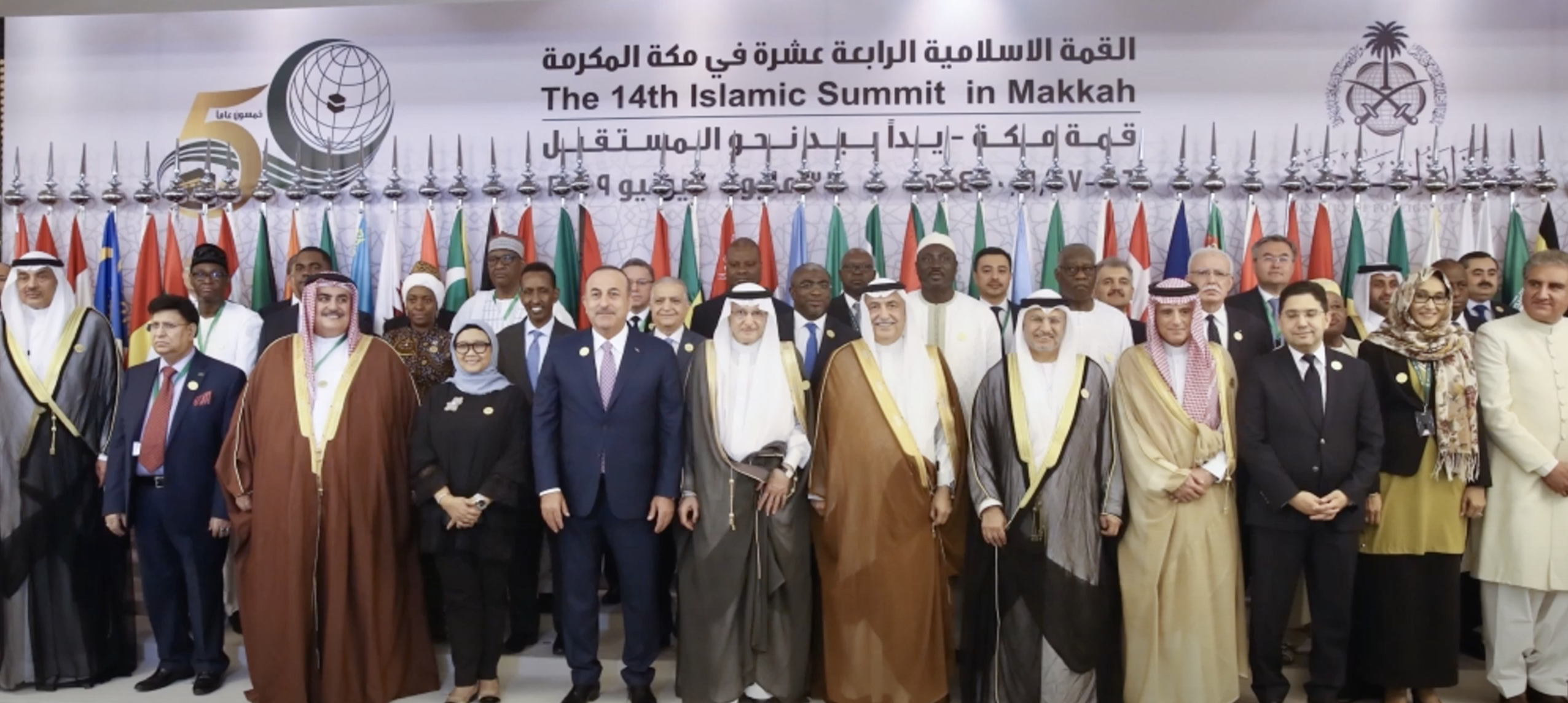
The Organisation of Islamic Cooperation (OIC) is an intergovernmental organization founded in 1969. It is the second largest IGO after the United Nations. It is composed of 57 member states. The objective is to promote Islamic unity by coordinating and organizing social, economic, cultural and scientific activities. Focused on the goal of strengthening and acknowledging the struggle of Muslims, the OIC vows to eliminate discrimination and racism especially in regard to the Palestinians.

On May 6, a conflict initiated between Israel and Hamas in Gaza Strip. Israel attacked not only Hamas but also the civilian population of Gaza. The airstrikes on Gaza were preceded by long stretches of tensions and Israeli hostility in occupied East Jerusalem, where many innocent Palestinians were killed by Israeli forces and settlers at the Al-Aqsa Mosque and in the neighbouring region of Sheikh Jarrah. They clearly violated International Human Rights Law and International Humanitarian Law. They not only destroyed homes and offices but also crippled Qatar Red Crescent Office and the only Covid-19 Testing Lab. Also, the Al-Jalaa tower lodging Al Jazeera and The Associated Press offices additionally fell in the wake of being hit by an Israeli missile in Gaza City. Hamas also fired 7 rockets at Jerusalem and Beit Shemesh from Gaza. This situation shook the whole world as this was one of the worst times humanity has ever witnessed. In this state of helplessness, the Palestinians were looking towards the other Muslim states to raise voice for their rights.

The virtual open-ended emergency meeting of the OIC Executive Committee at the foreign minister level was held on 16th May 2021, upon the request of Saudi Arabia, Chair of the Islamic Summit, to look into the Israeli aggression, the occupying force in the Palestinian regions, specially, Al-Quds Al-Shareef.

OIC in the strongest terms condemned the barbaric assaults launched by the occupying authority, Israel, against the Gaza people and their soil and holy places. It demanded immediate and complete stop of these attacks that have destroyed innocent civilian population and their properties, in gross breach of international law and United Nations resolutions on the Palestine question. Furthermore, it warned that the incitement and encouragement of these assaults is a serious threat on the lives of innocent Palestinians. As it was causing severe suffering to them, increasing the risks of not only regional instability but also had serious implications for outside of the region.

Moreover, in particular, it warned against the harmful effects of Israel’s proceeded and deliberate inflammation and inducement of the religious sensibilities and sensations of the Palestinian people and the whole Islamic Ummah with its uplifted attacks on worshippers. Particularly beginning from the start of Ramadan, hindering worshippers’ access to the holy places to perform their religious rituals, including Muslims’ entrance in the Al-Aqsa Mosque and Christians’ access to the Church of Holy Sepulchre during the Easter festival, as vicious control of the Al-Aqsa Mosque/Al-Haram Al-Shareef by the Israeli occupation forces, threatening and assaulting peaceful worshippers, in egregious violation of International Humanitarian Law.

Moreover, OIC demanded not to undermine the historical and legal status of Al-Aqsa Mosque/Al-Haram Al-Shareef. They also demanded Israel to stop the disrespect of the sacred places. It further emphasized that Israel is an occupation power and does not possess any legitimate right at all on occupied Palestine, including the Al-Aqsa Mosque and East Jerusalem. In addition, all measures undermining Palestine’s status are null and void and of no legal effect.

Turkey is one of the countries that took strong action for the Palestinians. In this emergency meeting of OIC, Turkey recommended an “international protection mechanism” for Palestine, as Israel proceeded with its hostility in assaulted Gaza on the seventh continuous day.

Malaysia pointed that OIC’s “lack of political will” should no longer be tolerated as an excuse to protract Israel’s control of Palestine. Malaysian Foreign Minister Datuk Seri Hishammuddin Hussein told OIC members that we have unintentionally contributed to encourage the occupying force [Israel] through our inaction. He stressed that the OIC must continue to play a key role to take all maximum possible actions to secure Palestinians against Israel’s brutal acts.

Many analysts and researchers have slammed the OIC for its delayed and weak response to the Israeli violence. They argue that at this critical situation, a great responsibility was on the OIC’s shoulders. An emergency meeting on the issue was expected from the OIC within a short period of time. Sadly, the meeting was called after a long period of 10 heavy days. They should have taken a firm stand on Israel’s brutality and violation of human rights as soon as possible. Even when the virtual meeting was called, there were only sympathetic words and opinions of different countries. Sadly, nothing came into action and the meeting was left open-ended. No firm decision or action plan was made.

There were many reasons behind such disappointing response of the OIC. Firstly, some of the OIC members have already recognized Israel as a state. The list includes United Arab Emirates, Bahrain, Morocco, Sudan, Egypt and Jordan. The decision by these countries to improve relations with Israel in 2020 was not about peace, harmony or even understanding. They were all focused on their own interests—including the benefit of either advanced weapons or diplomatic support from the United States.

Israel’s relations with the United Arab Emirates appear to be stronger than its interaction with Egypt and Jordan, Arab countries that formed peace with Israel decades ago. Since direct flights were initiated, a number of Israeli has visited Abu Dhabi. Also, an Emirati royal bought a huge stake in an Israeli soccer team. It was a high-profile investment that up to this point seems to be unimaginable.

Palestinians were not expecting such action from any brother Muslim state. For them, of course, the deals add up to more misfortune and betrayal. In peace talks it was decided that Arab will normalize their relations with Israel only if they allow peace and independence for Palestinians in Gaza Strip and the West Bank. Instead, Israel has acquired acceptance in the region without making enough concessions in return. 

Secondly, Israel is having the US support. The OIC member states are hesitant to some extent to raise voice against Israel. Further, they don not want to effect their diplomatic and economic relations with the United States. As they believe, that it would not be right for their position in the international world, if they tire their relations with the super power.

The dim and dismaying action of the OIC on Israeli attacks was a shock. The Palestinians were hoping the OIC to present their issue to the international level and to take a firm action against the hostility. However, few member countries, at this drastic situation were still busy in politics. Instead of condemning the brutality of Israeli forces, they were concerned about their diplomatic relations. They preferred their own benefit and well being over the blood of innocent Palestinians. These assaults touched the lowest standards of humanity as innocent women, children and citizens were killed and their houses were destroyed. In addition to International Humanitarian Law, Islam and every other religion in the world commands to ensure the safety of civilian population during warfare. Humanity is the biggest religion and the principle of ‘live and let live’ should never be forgotten. However, after a prolonged Israeli aggression, a ceasefire agreement has reached between Israel and Hamas. Both claimed this ceasefire as their victory.

“Small Forest” that can Tackle Filthy Air

Air pollution is an invisible killer, leading to higher health and environmental risk. According to World Health Organization (WHO), unsafe levels of air quality exacerbating the respiratory and cardiovascular complications cause 7 million premature deaths per year.

The major sources of air pollution are motor vehicles, forest fires, industrial facilities, and household combustion devices. The major risk factors from these sources are carbon dioxide, particulate matter, carbon monoxide, ozone, nitrogen dioxide, and sulfur dioxide. High air pollution may result in cancer, bronchitis, asthma, and other respiratory problems.

Therefore, air quality needs to be a national issue, as most people are unaware of the poison, they breathe in.

Owing to the fact that air pollution has now become a global threat, millions of dollars are invested to develop innovative technologies to monitor and mitigate air pollution.

Till-date mother nature is the best candidate. We all are well aware that planting trees is a long-familiar way to reduce air pollution but at the same time it is a laborious and time-consuming phenomenon that require an ample area of land which is not always a viable option.

So, to find a suitable alternative one should first understand the entirety of a problem, aiming to devise a low-cost, more reliable and eco-friendly approach.

We have always taken Moss for granted, since the only thing we know about them is their ability to destroy rocks and stain stone statues, for long neglecting their extraordinary properties.

Since the late 1960s scientists have exploited moss as a biological indicator of air pollution, past studies have shown that they can complement the existing air quality monitoring tools that are extremely costly and cannot be installed anywhere.

Moss has the natural ability to take up water, nutrient, and fine dust particles from the environment like a sponge. These incredible properties of mosses have gained the attention of researchers towards their diverse industrial applications.

In April 2012 the European Union (EU)-funded research project MOSSCLONE led by biologist Prof. Dr. Ralf Reski started this system, they employed the use of peat moss Sphagnum palustre, for monitoring air pollution. The results of this research were astonishing, as the researchers found high levels of multiple top priority metals such as arsenic, cadmium, chromium, cobalt, nickel, and lead in moss. This method is proved to be a cheap and very effective approach in monitoring small-scale pollution sources.

 In the ongoing struggle to tackle air pollution, a mossy “vertical plant wall” with the pollution absorbing potential was launched in London in June 2018. It was designed by German startup Green City Solution, this research was conducted in response to the high mortality rate observed in London due to respiratory, cardiovascular, and other diseases associated with pollution.

The City tree is a combination of mosses and Smart loT technology which not only generates a cooling effect on the surrounding area –ideal to combat urban heat but also possess the ability to remove pollutants from the air such as particulate matter, nitrogen dioxide, and other greenhouse gases, etc. 

Credits: Green City Solutions

The City tree has the capacity to reduce pollutants up to 30%, it holds the potential of 275 urban trees to take out a maximum of 240 tons of carbon dioxide per annum, only takes 1% of the space as compared to the actual trees which take up enormous space and time for growth. Apart from it, these “biotech filters” along with sensor technology are mobile in nature that can be installed anywhere in the cities to combat unsafe levels of air quality. 

The City tree has been successfully launched in many cities around the world, including Oslo, Paris, Brussels, and Hong Kong. In a short period, the city tree has become an effective way to clean the environment.

Keeping in view the US air quality index “Lahore ranks the most polluted city in the world”. According to the Global Alliance on Health and Pollution, an estimated 128,000 people die annually from air pollution-related illnesses across Pakistan.

As the COVID-19 pandemic arises, researchers’ comprehensive studies indicate a clear correlation between fine dust pollution and high mortality rates of COVID-19 –co-factor behind an average 15% of COVID-19 deaths worldwide. It requires extensive media coverage to generate awareness against this alarming situation of air pollution.

Image by: Artisan Moss

The environmental issues in Pakistan needs more  attention from government, city corporations and each one of us, whereby installing moss-based natural and low-cost screening technology in our homes, offices and other localities might be a saviour in times of crises.

Image by: Artisan Moss

Even the least wealthy countries can do such a thing that wealthier countries could do. Hopefully, this idea can save the mega-cities of Pakistan like Lahore and Karachi from creeping air pollution in a much cheaper and effective way.

Becoming a Nuclear Weapon State

“We will soon bring Pakistan to its knees”, a rejuvenated president of the BJP, Khushabau Thakre retorted after India conducted five nuclear weapon tests on May 11 and 13, respectively. With these tests India became the only country to have a declared nuclear weapon capability outside the nuclear nonproliferation treaty (NPT). Since then India has celebrated 11 May as National Technology Day. For quite some time, BJP also celebrated 16 May as the National Day of Pride. Thakre’s threat was not the first warning that came from BJP’s high office. In fact, L K Advani, home minister and former BJP president also warned Islamabad to “realize the change in the geo-strategic situation” that emerged as a result of Indian nuclear test. BJP’s far right leadership also threatened Pakistan to prepare for India’s wrath.

All these aggressive and hostile threats came within a week of India’s nuclear tests. Following the threats and intimidations from the Indian leadership; three weeks later, Pakistan detonated five nuclear tests at Ras-i-Koh, Chagai, codenamed Chagai-I and two days later conducted another test in Kharan that was labelled as Chagai-II. With these tests, Pakistan emerged as the 7th state to have the declared nuclear weapons capability.

India has a long history of nuclear development. On 18 May 1974, India detonated a nuclear device in the Rajasthan desert near Pokhran that was named as “Smiling Buddha.” This event came as a shock to the entire world. The plutonium for the device was extracted from the CIRUS (Canada-India Reactor U.S.) – a collaborative effort between Canada and the US to supply a 40-megawatt nuclear reactor that began operating in 1960. The Indian government called the test a “peaceful nuclear explosion” (PNE). The test resulted in widespread condemnation from the international community, particularly Canada cutting off virtually all its nuclear assistance to India. The US also froze its nuclear cooperation, leaving India in a virtual state of nuclear isolation and a pariah state unworthy of nuclear cooperation. 

The event became the first episode of state-sponsored nuclear proliferation at a time when NPT was just 4 years old. “Smiling Buddha” which pushed India and South Asia into a nuclear age is the blackmark in India’s nuclear history and for the international nonproliferation regime. India, however, does not celebrate its so-called PNE nor calls it the day of technological feats.

The belligerent political rhetoric against Pakistan that came with India’s nuclear tests in 1998 also signifies one important aspect that India developed its nuclear power against Pakistan, and not China. India’s nuclear pundits often sell the idea to the West that New Delhi developed its nuclear weapon capability when they met a humiliating defeat at the hands of Chinese forces, which is not true.

Despite India’s “China Bogey”, there was not a genuine security threat to India. In fact, it was not a security threat but “prestige of having a nuclear weapon capability” that drove India’s quest to become nuclear power. With overt nuclear tests in 1998, India literally threw Gandhian principle out of the window which called nuclear capability as “weapons against humanity.”

Since India’s first nuclear test, there has been an unprecedented rise in India’s nuclear and conventional might. Over the period India has not only become world’s largest arms importer but also a country with the fastest nuclear weapon program. As per estimates India has the potential and enough fissile material to develop hundreds of nuclear weapons every year. This reflects the sheer madness and uncontrolled obsession with fire and fury. India’s flirt with its fissile material has also become a global migraine. Most recently, Indian security agencies have seized 7 kg of Uranium and two persons were arrested. This is the largest breach in safety of nuclear material in India which is a source of great concern not only for India but the international community. Such a loose state control over its nuclear material shows that India has never taken nuclear safety and security seriously.

It is the right time for the international community to intervene. Today’s India offers two major challenges, first it is expanding its nuclear weapons stocks at a rapid pace and secondly the nuclear safety and security standards in India have become a great concern for the global community. If this left unaddressed, India would become a hub of lucrative global nuclear black market. The possibility of a dirty bomb has become greater, and with each passing day India is inching closer to become hotspot for nuclear terrorism. Therefore, India needs global attention more than ever. The responsibility lies with the international community to address the nuclear challenges emerging from Modi’s India. The recent nuclear theft incident should be a wakeup call for the global community.

Pakistan’s Nuclear Capability: Holding the Burden of Maintaining Strategic Stability

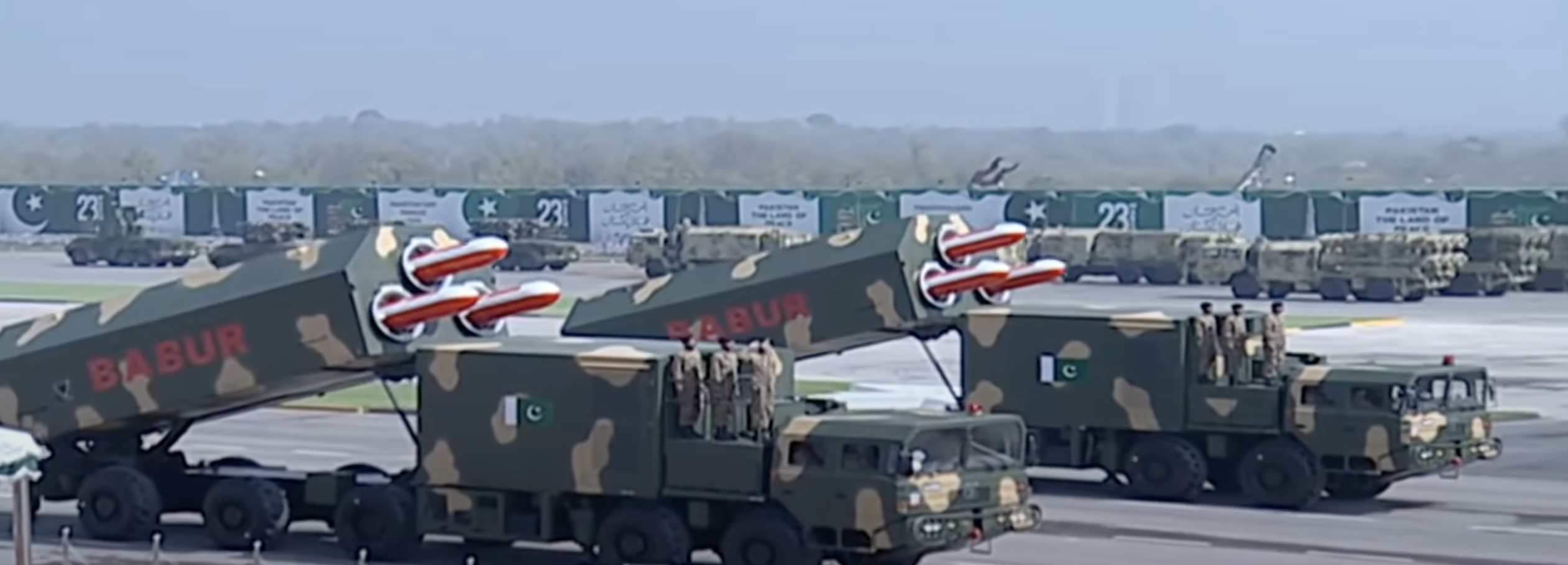
The South Asian region has always remained vulnerable to conflicts and escalation for many decades. This is primarily because of its ever-increasing volatility and the complex security dynamics of the region. Given the hostile nature of the relationship between India and Pakistan, both countries have fought full-fledged wars and limited conflicts in the past. Even now there exists a continuous fear of war and escalation in the region. For many decades, and even now, the regional security dynamics were all determined by the conventional asymmetry, Indian warmongering attitude towards Pakistan, and its acquisition of nuclear weapons. In such a scenario where Pakistan was facing existential threats from India, the acquisition of nuclear capability by the former was more of a strategic compulsion to enhance its security and preserve its sovereignty. However, since the overt nuclearization of South Asia in 1998, the region has emerged as one of the most crucial regions in the world. The acquisition of nuclear capability by Pakistan has since then emboldened it a credible and reliable deterrence posture which ultimately guaranteed a strategic equilibrium in the region. Even now, 23 years after the nuclearization of South Asia, Pakistan’s nuclear capability continues to hold the burden of strategic stability in the region.    

The overt South Asian nuclearization was primarily a consequence of India’s desire to dominate the security calculus of the region and undermine Pakistan’s security. It became inevitable for Pakistan to take concrete steps to enhance its security. The fact remains that it emerged as a strategic obligation for Pakistan to demonstrate its nuclear capability in order to maintain a balance of power in the region. Pakistan’s pursuit of a credible nuclear capability has no doubt equalized the regional strategic balance while neutralizing a broad range of threats coming from India. This notion continues to prevail even today as well. However, the subsequent Indian attempts to undermine the existing strategic balance of the region would likely challenge Pakistan’s nuclear threshold. Evidence comes from how India has been actively involved in an all-encompassing and offensive military modernization, its provocative and self-obsessed notions of ‘surgical strikes’ under a nuclear scenario, and insinuations of drifting away from its stated nuclear use doctrines. These emergent dynamics combined have further undermined the strategic stability of the region in general and Pakistan’s nuclear threshold in particular. This becomes more impactful when Pakistan’s posture of full-spectrum deterrence that is within the ambit of minimum credible deterrence is to be assessed specifically in the contemporary regional security environment.    

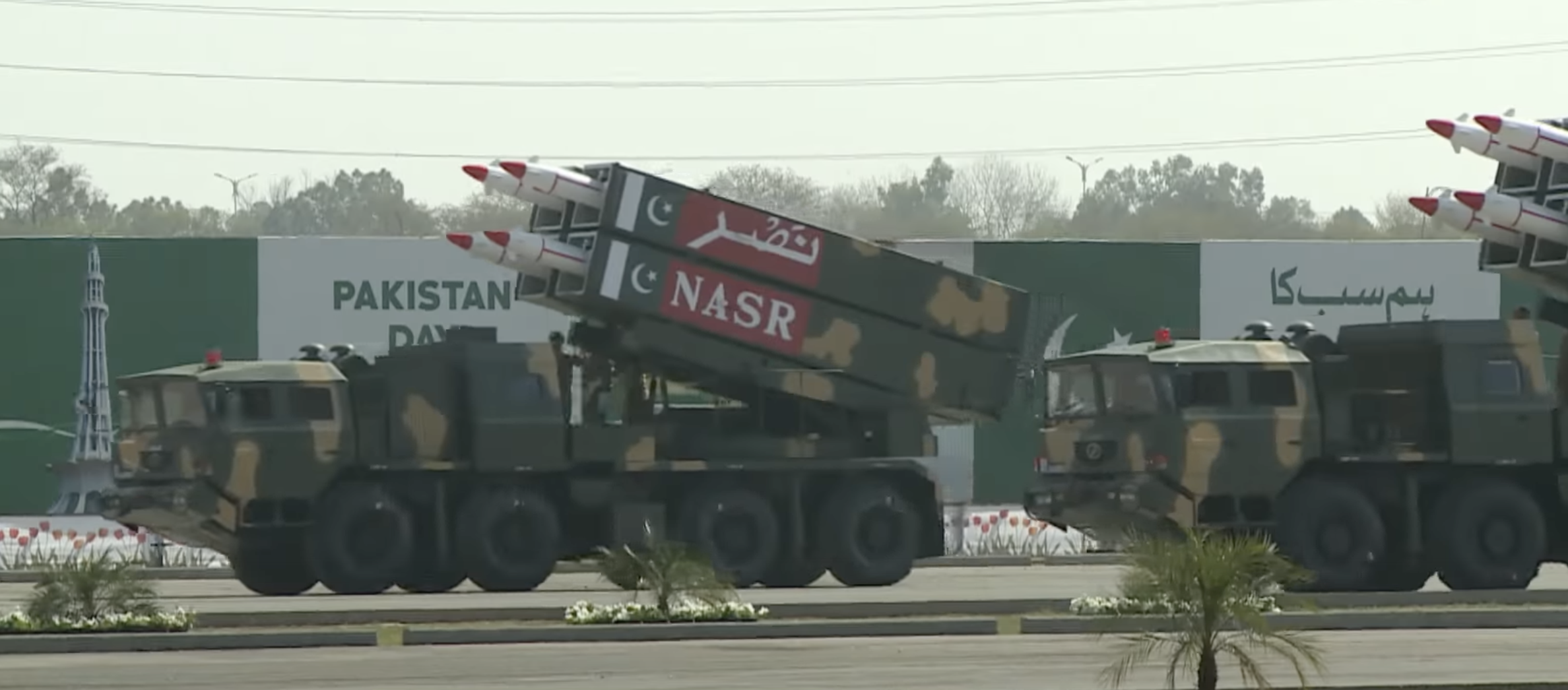
In pursuit of its long-term hegemonic designs and great power aspirations, India has been rapidly augmenting its offensive military capabilities against Pakistan. The ongoing extensive military modernization drive is all aspired to re-adjust the strategic balance of power in its favor. Further, it also intends to be at the decisive end while dominating the escalation ladder of the region. In this regard, India possesses a diverse inventory of ballistic and cruise missiles ranging from short to long-range and also ICMB (Inter Continental Ballistic Missiles). It has developed Ballistic Missile Defence (BMD) Systems and has an agreement with Russia for the supply of the S-400 Air Defence System which is no doubt one of the world’s most advanced missile defence shields. Likewise, India has also developed and operationalized some of the world’s fastest supersonic missiles and has been rigorously working on the development of hypersonic weapons and space weapons. These advanced missiles are obviously meant for delivering nuclear warheads while providing a significant edge to India and tilting the strategic balance of power in favor of India. Further, India has also acquired Rafale fighter jets from France which are among the most advanced jets in the world. This brief analysis of the Indian military modernization drive indicates that it intends to become a regional hegemon while dominating the region militarily. Thus, further increasing the threat perception of Pakistan and compelling Pakistan to hold the burden of strategic stability in the region.   

In addition to these, India’s attempt to undermine the strategic stability of the region is also evident in its self-proclaimed existence of ‘new normal’ in South Asia. Especially at a time when the region seems to be still under the impact of the Pulwama-Balakot crisis of 2019 that resulted in an exchange of hostilities between India and Pakistan; however, Pakistan’s nuclear capability emerged as the decisive factor at that time and the crisis did not go beyond a certain level of escalation. This again implies that the burden of maintaining the strategic stability in the region ultimately comes on Pakistan.  

To sum up this whole debacle, the Indian strategic aspirations coupled with its offensive military modernization would likely further destabilize the already fragile South Asian region. Similarly, these appear as a deliberate Indian attempt to undermine Pakistan’s nuclear threshold and to endanger the strategic environment of the region. Pakistan, on the other hand, which already relies on very calculated response options; the nuclear capability would likely continue to play the decisive role. Given the economic difficulties of the country and its reluctance to indulge in an arms race with India, Pakistan’s nuclear deterrence; either full-spectrum or minimum credible would likely serve the purpose of enhancing its security and preserving its sovereignty. Last but not the least, Pakistan’s nuclear capability which has ensured strategic deterrence since the beginning and till now can also further hold the burden of maintaining strategic stability in South Asia. 

Emerging Equations in Post 50 Years of India-Bangladesh Relations

‘Political Society does not conduct foreign policy to live, it lives to conduct foreign policy’                        

                                                                                                                     (George. F. Kennen)

     The Integrative and Inclusivist perspective of India-Bangladesh relations are being witnessed when Bangladesh is celebrating Golden Jubilee of Bangladesh’s existence and Birth Centenary celebrations of the Father of the Nation Bangabandhu Sheikh Mujibur Rehman and India is celebrating its victory of 1971 War. India as a close and overarching neighbour has a key place in Bangladesh’s foreign policy and have proximity on several fronts. A long phase of distrust was transformed into a positive gesture when Sheikh Hasina led Awami League came to power.

After resuming power, Sheikh Hasina’s government took several initiatives to improve bottlenecks in relations with India. Prominent among them were the border settlement with India and a credible note of declaration by the External Affairs Minister (EAM) of Bangladesh Dr. Dipu Moni in 2009 for reiterating their government’s commitment for zero tolerance to anti-national activities of rebel groups active in Northeast regions against India, on Bangladesh’s soil.

The impact of this commitment has been reflective on the ground as, insurgency at North-eastern States like Assam, Meghalaya and Tripura has been reduced drastically in the recent years. Several rebel groups once active in these states were being forced to migrate to Myanmar form various hamlets of the border areas of Bangladesh. The Home Ministry of India has extended revocation of Armed Forces Special Power Act (AFSPA) comprehensively from Tripura in 2015 Meghalaya in 2018 and Assam in 2019 and which shows a sign of normalcy being restored in these conflict prone regions. The AFSPA Act, 1958 was passed by Parliament of India which gives power to Army and other Central forces deployed in disturbed areas to detain and take punitive action against defaulters without a warrant. Tripura, Assam and Meghalaya are now restoring towards a normal life as anticipated in a democratic setup. This development is self-explanatory for Sheikh Hasina government’s credibility to fulfil their commitment towards India.

However, paradoxes of this positive note become contentious when we talk about river water issue which is yet to resolve. A demand by Bangladesh to enhance its river water share from Teesta river which passes through West Bengal and Sikkim in India before being merged in Bay of Bengal since, it caters to their agriculture needs to a larger extent. Teesta is the fourth transborder river between India and Bangladesh. The domestic entanglement between Union government and State government of West Bengal has over shadowed it thus, becomes a question in the bilateral relations which may affect the above- mentioned positive note in the relations. A statement by former EAM of Bangladesh Sri Morshed Khan that, ‘If Bangladesh was India-locked, then Tripura was Bangladesh locked’ clearly reflects sentimental zigzag of policy makers on one hand and its effect over the connectivity and development of North-eastern States in India in the long run.

It is also pertinent to mention that Bangladesh’s geopolitical location is critical for the North-east since, North-eastern region is all set to become hub for Act East policy of India. The author has argued (during a virtual lecture at Tripura Central University, Agartala, Tripura) that, the idea of ‘Sub-Regional Cooperation’ comprising of India-Bangladesh-Myanmar is of immense significance since, it could enroute the future of East Asia and as well as Southeast Asia. To work on common goals would greatly help India to fulfil its dream of being a ‘Rising Regional Power’ in South Asia and Would make a way for rapid development of the fastest emerging economy of Bangladesh.

A continuous spurt of connectivity and cross border engagements between India and Bangladesh especially like Border Hatts at Tripura and Meghalaya, establishment of first Special Economic Zone (SEZ) Sabroom in Tripura, and enhancing efforts under BCIM corridor project etc. are some vital endeavours to mention. In fact, this model shall also help Myanmar to overcome its backlog in economic development in a great manner since, it shares common borders with both India and Bangladesh. India has also enhanced its commercial stake in Myanmar by investing in the Kaladan Multipower project and other infrastructural developments which has been relevant for the development of Myanmar as well. This equation would also help to resolve much awaited humanitarian crisis like Rohingya which has affected altogether the three countries.

Since, Chinese Ambassador to Bangladesh Li Jimming recently remarked, Bangladesh to act cautiously over it becoming a member of QUAD, an emerging alliance of India, U.S, Australia and Japan to counter growing Chinese influence in Asia Pacific region, Bangladesh has reacted candidly over these suggestions and rehearse its sovereign priorities in foreign policy matters and emphasized not to suggest anything. For India, it is to understand that pro-India policy of Sheikh Hasina government requires a prompt reciprocation, especially to resolve the contentious issues.

The Indo-Bangla trade is highest and largest in East Asia amounting to India’s exports to Bangladesh for the financial year 2018-19 stood at the US $9.21 bn and imports from Bangladesh for the same period stood at US $1.22 billion. It is important to note that, Bangladesh’s economy is industry centric and it can play a major role in making North-eastern region of India as hub for transborder corridor as projected under the Act East policy of India.

Both India and China are pursuing Myanmar and Bangladesh to become a lead player in their region. Thus, smaller countries are in win-win situation. The most important factor for India to concern is to resolve contentions in the relations.

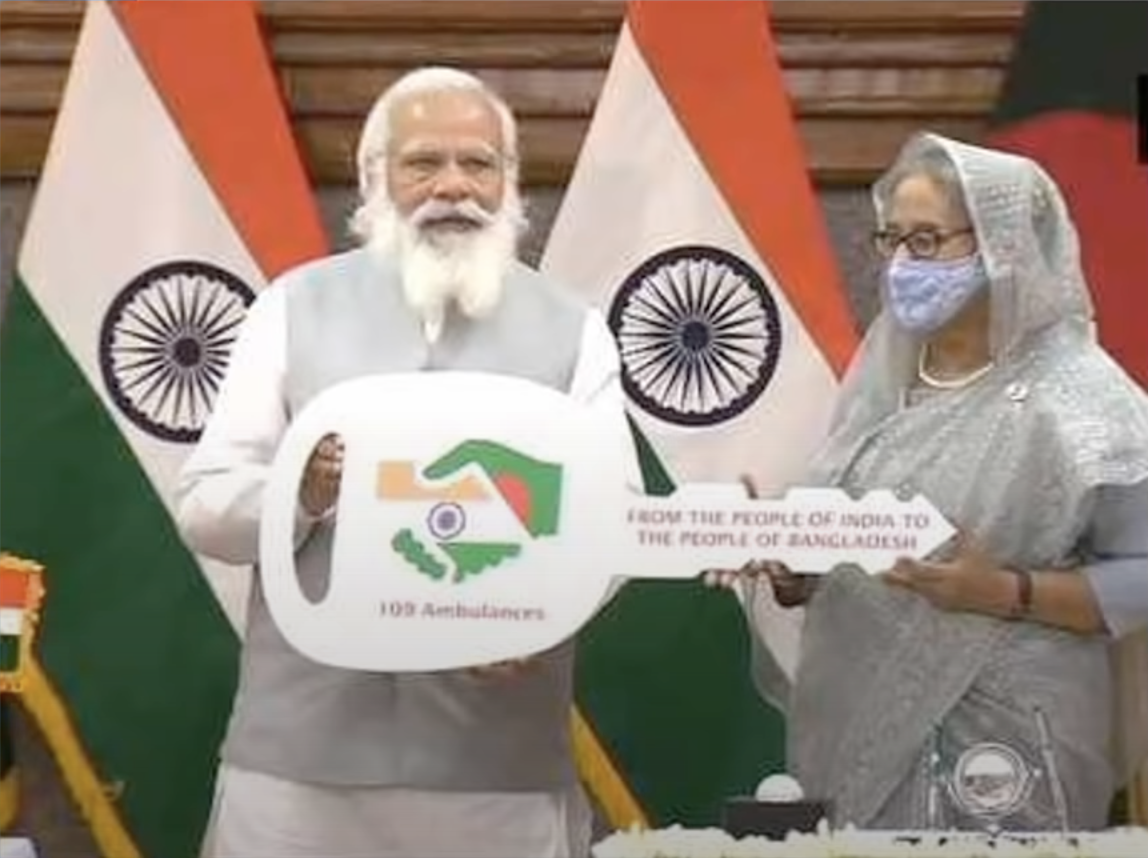
For Bangladesh, it is pertinent to think India’s greater significance is its development and an accommodative approach with a real commitment not to intervene into the internal affairs of its neighbour, which China might overlook. Both the Prime ministers issued a joint statement 27th March, 2021  which corroborates deep historical and fraternal ties and reflect an all-encompassing bilateral partnership based on equality, trust and understanding that transcends even a strategic partnership between India and Bangladesh.

Modi Government’s Neo-Liberal Policy: Threat to Human Security

Karl Polanyi in his book, ‘The Great Transformation’ wrote: When the unregulated expansion of the market conflicts with the self-protection of society, it may end up in a reactionary political movement.

The government, led by the Hindu nationalist Bharatiya Janata Party (BJP) and Prime Minister Narendra Modi passed three farm reform bills based on their neo-liberal agenda that prompted farmers from the Northern Indian states mainly Punjab and Haryana- to protest outside the capital New Delhi. The farmers’ largest protest draws attention to the Modi governments’ hasty and undemocratic manner policy in which they passed the three agricultural laws without any discussion with the farmers and a parliamentary debate. These laws limit the government intervention over the agricultural trade to benefit the farmer with an increased number of buyers, leading to more favorable prices for their purchase and greater corporate control. According to the Modi government, these three laws limit the state intervention for restraining the imprudent stocking of food commodities.

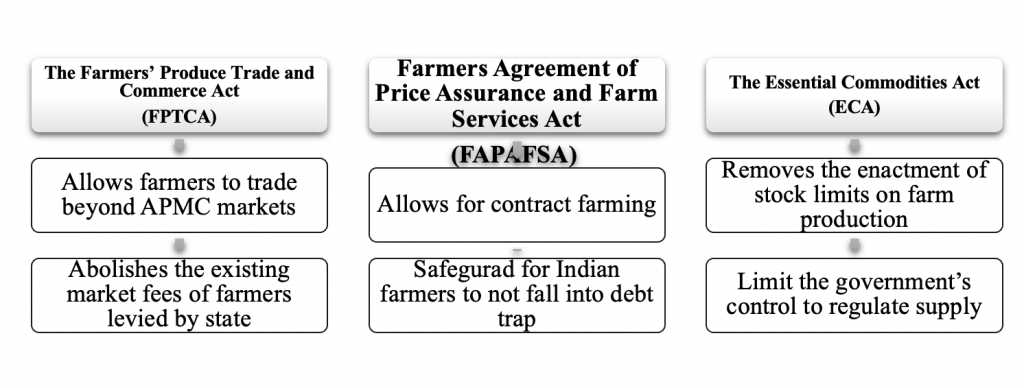
 The three farm laws- FPTCA, ECA, and FAPAFSA- creates a new national framework that removes the obligation of stock limits on farm production, allows for contract farming and trade outside the government-operated markets. However, the farmers protested due to the lack of support for the MSP (Minimum Support Price) – the guaranteed support price over 23 crops by the government to the farmers that provide safety to them-that is another reason why the protests have been geographically limited. Farmers believe that these laws will be exploitative and manipulative as the large agri-business corporations and private players will sideline small farmers and control the farm markets-in order to compete in the agricultural sector to the detriment of farmers.

On January 26, protestors from Northern Indian states and some from Rajasthan marched towards the capital to make their way into the city-where in violent clashes between the police and the protestors, Delhi Police used tear gas, barricades, and cold-water cannon sprays. The clash resulted in 300 injured police personnel, the death of a farmer, and many police cases filed against the protest leaders- created chaos in the capital on their day of the Annual Republic Day Parade.

As the global pandemic hit the world economies, India’s 48% population depends on agriculture, strives more due to the agrarian crisis caused by three farm laws in 2020 as this sector was already facing suicide crisis, climate change, water crisis, and rising debts- where Indian farmers from Punjab and Haryana resist in the situation like COVID-19 and winter to demand the government to repeal the laws.

The neo-liberal policies of the Modi government in the agricultural sector after the privatization in the education and health sector deteriorate the unprivileged Indian population- raising concerns for food and human security. The Modi government and the Indian media have failed to politically embed the neo-liberal agenda at its people on communal lines- as they called the farmers’ protest for their rights as separatist’, terrorists’ and Khalistanis movement. The agriculture crisis will not be solved without reforms including the social security provided to the farmers, and intervention by the public infrastructure and institution mechanism to revitalize the agrarian sector. Modi’s pro-corporate capitalist exploitation through these farm laws also increases the class differentiation and cross-caste alliances between the capitalist and a worker in India- as the consequence of the neo-liberal agenda.

This neo-liberal turn resulted in an alliance of major movements such as the anti-caste movement, the student movement, and the new citizenship laws movement to support the farmers’ movement against the farm bills. However, the strategy of neoliberal disinvestment in public health is followed from decades in India, as now the BJP government has deepened this oratory. The victims of neoliberalism such as the peasants and other local producers including the farmers’ struggle played a role in ousting the dominance of the capitalist Hindutva alliance and their pro-corporate agenda.

Neo-liberalism in simple words is the de-regulation of the market and a free market without the government or state’s institution’s intervention. One assumption of neo-liberalism defines the market as a free or neutral market that is beneficial to all. The politicization of free markets in the presented farm bills had started power dynamics against the farmers in an unequal and exploitative manner. The reason behind this lies in the already existing crisis faced by the farmers such as the debt crisis and low productivity, so this free market policy is not applicable on the agricultural sector in India-where 86% of landholdings are marginal and 70% of agriculture households are in terrible debt. So while having this situation, if farmers are exposed to large corporations and private players, they are more likely to be losers in that dealings- providing more chances of their self-exploitation in the power dynamic market.

Another assumption of neoliberalism is the de-regulation of the market that involves removing the regulations regulated by the state and state institutions. However, in the farm laws, the security and safeguard provided to farmers through APMC (Agricultural Produce Market Committee) and MSP (Minimum Support Price) have been removed. First-state and law cannot differentiate separately and second-any market whether if its agricultural market, it requires a state-backed mechanism to ensure the rights and regulations and also whether the large corporations or other capitalists are not exploit-ting the farmers.

The Indian farmers dealing with patience in response to the neo-liberal assault like other oppressed sector’s people, but the three farm-laws, however has proven to be the ‘last straw’. The farmers’ movement will have a long-term impact on the future of the farmers and the economy of India, as the resistance towards the Modi government’s neo-liberal and pro-corporate agenda tend to turn the trajectory of socio-economic structure amid augmented crises.