Pakistan’s New Proposal to Develop Consensus on Nonproliferation and Disarmament

Speaking at the Conference on Disarmament (CD) Geneva, Pakistan’s Permanent Representative (PR), Amb Khalil Hashmi has outlined a roadmap that could help revive efforts to build a global consensus on arms control and disarmament, on the basis of equity, balance, restraint and cooperation among states. The CD that is in stalemate for the last many years for its failure to develop a consensus on the Program of Work (PoW) risks becoming redundant, unless new ideas are considered to help negotiate all disarmament related issues.

Pakistan’s PR, while highlighting the danger of a breakdown of the global order due to festering disputes and the emergence of the new conflicts warned that the consensus on nuclear disarmament and non-proliferation has also eroded. As a result of this deadlock, none of the major nuclear weapon states is willing to give up nuclear weapons for the foreseeable future. This has led to the weakening of arms control regime and resurgence in conventional and nuclear arms race with increased prospects of the use of nuclear weapons and resumption of nuclear testing.

The politics of granting exceptions and waivers in complete disregard of the long-held principles of the rules-based nuclear order has further eroded confidence in the nuclear nonproliferation regime. Referring to the growing trends of discrimination and double standards being followed due to strategic, political and commercial considerations, Pakistan’s PR in his statement asserted that this is not only in contrast to the claims of enforcing rule based international system but some of these developments have direct bearing on strategic stability in South Asia, where India continues to pursue a strategy of coercion, hegemony and domination over its neighbours by violating international law and UN charter principles. According to Amb Hashmi, such aggressive Indian behaviour and posture has been enabled by lack of international accountability, and by generous supply of advanced conventional and non-conventional weapons and technologies that has infused a sense of imperial hubris among the Indian ruling class.

Highlighting the past achievements of the CD, Pakistan’s PR stated that the CD had been able to deliver on its mandate and produced landmark treaties, with its existing rules of procedure or methods of work, but this was only possible when the interests of major powers so dictated or when they assessed that agreeing to treaties would be compatible with their respective national security interests. If the CD has to meet the growing challenges to multilateralism and rule of law, the member states have no choice but to go back to the fundamentals i.e. to re-commit faithful adherence to the principles and purposes enshrined in the UN Charter.

Pakistan’s Ambassador to the CD also outlined important eleven-point roadmap that could help build consensus and break the current impasse. These include:

  • First, recognition of the right to equal security for all States. The (Special Session on Disarmament) SSOD-I unanimously agreed to the principle of “equal security” for all States, both in the non-conventional and conventional fields and at regional as well as international levels. This is an essential prerequisite for progress in the areas that this Conference is seized of and can work on.
  • Two, we must address the motives that drive States to acquire weapons to defend themselves. These motives include perceived threats from superior conventional or non-conventional forces; the existence of disputes and conflicts with more powerful States; and discrimination in the application of international norms and laws.
  • Three, the nuclear weapon states must demonstrate a renewed commitment to achieve nuclear disarmament within a reasonable timeframe to revalidate the original bargain. Without this commitment, the “bargain” of the non-proliferation regime will continue to erode. The eventual objective must be the total elimination of nuclear weapons within the context of a reenergized collective security system.
  • Four, as a pragmatic step towards disarmament, the nuclear weapon states need to halt future production and eliminate all existing stocks of fissile materials through a non-discriminatory Fissile Material Treaty.
  • Five, until nuclear disarmament is achieved, non-nuclear weapon states should be given assurances that they will not be threatened with the use or threat of use of nuclear weapons. The security assurances offered by nuclear weapons states need to be translated into a universal, unconditional and legally binding treaty.
  • Six, we must evolve a universal and non-discriminatory agreement for addressing concerns arising from development, deployment and proliferation of Anti-Ballistic Missile (ABM) systems, which are inherently destabilizing, while being of dubious reliability.
  • Seven, we must strengthen the international legal regime in order to prevent the militarization of outer space.
  • Eight, an agreed, criteria-based and non-discriminatory approach must be evolved for the promotion of the peaceful uses of nuclear energy under appropriate international safeguards, in accordance with the international obligations of States.
  • Nine, the development and use of Lethal Autonomous Weapons Systems (LAWS) need to be brought under international regulation.
  • Ten, regional security issues must be addressed through dialogue and diplomacy; the creation of a WMD-free zone in the Middle East, and a denuclearized Korean Peninsula.
  • Lastly, given the direct causal relationship of conventional weapons with the continuing reliance on nuclear weapons and in view of the increasing number and sophistication of conventional weapons, it is essential to pursue balanced reduction of armed forces and conventional armaments, especially at the regional and sub-regional levels.

The fragility of global security order demands that the arms control architecture is enabled to prevent outbreak and intensification of tensions at land, sea, space and cyberspace. Global, regional and sub-regional approaches towards arms control would therefore require a mutually reinforcing framework – a framework that is anchored in the UN charter, international law and the SSOD-I final document principles.

The rules-based international order and multilateralism are not a simple aggregation of national interests. No such aggregation is possible given the varied interests of states. What is and should be possible is to shape the global order and multilateralism in our “enlightened self-interest” that fosters diplomacy, negotiations, and demonstration of political will to abide by the rule of law.
Trump’s Brinkmanship on Nuclear Testing

On 22 May, Washington Post reported that the U.S. was considering resumption of nuclear testing, after having had its last test in 1992. The stimulus can be traced back to a Compliance Report issued on 15 April by the US State Department’s Bureau of Arms Control, Verification and Compliance, that raises concerns over Russian and Chinese commitment to non-testing of nuclear weapons. The U.S. attempt to rope-in China and Russia into a trilateral arms control arrangement is seen as another driving factor. An understanding of various factors like U.S. withdrawal of its signatures, resumption of nuclear testing, possible benefits, and likely pitfalls need to be analysed at different levels.

With 1149 nuclear tests under the belt – highest within all nuclear weapon possessor states – U.S. has tested weapons for various purposes including 891 weapons related tests, 88 safety experiments, and another hundred to study weapons effects. It is difficult to assume that U.S. consideration is prompted by any operational requirements, like testing for new delivery systems. This becomes even more pronounced given the fact that a 2012 U.S. National Academy of Sciences (NAS) report on the Comprehensive Nuclear-Test-Ban Treaty (CTBT) noted that there have been significant advancements to the technical issues related to the CTBT, and that the United States no longer needed – and would not benefit from – nuclear explosive testing. Furthermore, the U.S. National Nuclear Security Administration had certified only last year “the safety, security, and effectiveness of the U.S. nuclear weapons stockpile to the President without the use of nuclear explosive testing”, thereby negating the need for resumption of nuclear testing on technical grounds.

The 2002 NAS Report also cites substantial advances in U.S. national monitoring and the International Monitoring System (IMS) capabilities across all of the key verification technologies deployed worldwide to detect and deter nuclear tests, thereby negating the argument that treaty restrictions limit U.S. ability to verify Russian or Chinese compliance. As a matter of fact, these objectives may be better served by ratification of the treaty rather than withdrawal.

Trump Administration officials feel that “a nuclear test could help pressure Chinese into joining a trilateral agreement with the United States and Russia.” However, it will depend on whether the U.S. only withdraws its signature or resumes nuclear testing. Like the U.S., China has also not ratified the CTBT. U.S. withdrawal may prompt an unease within China and Russia but not to the extent that they resume nuclear testing before the U.S. does. U.S. withdrawal can potentially provoke Chinese into similar action while forcing Russia to look at an exit-mechanism in a treaty that is yet to enter into force. It is generally understood that a treaty only becomes binding after it has been ratified. However, towards the end of Obama Administration’s withdrawal, UN Security Council passed resolution 2310 (tabled by the U.S.) which recognizes that “a nuclear-weapon test explosion or any other nuclear explosion would defeat the object and purpose of the CTBT.” It is argued that by endorsing this language, the resolution affirmed the view of P-5 that even before the treaty enters into force, all 183 CTBT signatories have an existing obligation not to conduct nuclear test explosions, therefore requiring the U.S. to actually withdraw its signature before it can move on with nuclear testing even though the treaty has not entered into force.

Another aspect that the U.S. will have to consider would be the willingness of Russia and China to stand by the CTBT’s non-proliferation objectives as the U.S. absolves itself of such responsibilities. They will also have to increase their financial contributions to ensure functioning of CTBTO as the biggest financial contributor withdraws. The U.S. alone contributed 22.47% (or USD 128 million) of CTBTO’s funding for 2016 and separately extended financial contributions to various projects. Smooth continuation of CTBTO’s operations would also ensure that Russia and China have the ability to detect any possible U.S. tests through the organization’s elaborate IMS.

If the China and Russia follow U.S. in withdrawal, the treaty is likely to collapse in the absence of these actors. This will practically undo efforts of over six decades that started with PTBT in 1962 to limit and later foreclose the option of explosive nuclear testing.

In the worst-case scenario, where Russia and China follow U.S. in the resumption of nuclear testing, a domino effect cannot be ruled out. There are already voices in India viewing this as an opportunity to resume nuclear testing given questionable results from the last round of testing in 1998. Such writings become all the more significant as they come from influential experts like Manoj Joshi, and from a platform like Observer Research Foundation, which is often working in close collaboration with the Indian Ministry of External Affairs. Likewise, the former Indian Ambassador, Rakesh Sood, sees the possibility of a renewed arms race which could well spill out to South Asia.

For India, resumption of nuclear testing may be an operational necessity given the introduction of new systems like SLBMs, cruise missiles, ICBMs, the smaller SRBMs, and prospective MIRV capable missiles. Today’s Indian nuclear forces significantly differ from what India had in 1998—when it last tested its nuclear weapons—and 2003—when it declared its nuclear doctrine. Since 2003, India has introduced ten new nuclear capable missile systems. These systems vary in their ranges (150-5000+ kms), delivery platforms (air, land, and sea), and type (cruise and ballistic missiles). The new smaller systems (like Prahaar, Brahmos, and K-4) and prospective missiles capable of carrying Multiple Independently Targetable Reentry Vehicles (MIRVs), would require significant miniaturization of warheads and there is no verification if India has achieved such a feat. On the other hand, longer range missiles, such as the Agni-V, will require significantly higher yield warheads. An ICBM with a 25 kilotons yield warhead would be a mismatch, given the circular error probability which increases with range and can be compensated with higher yield warheads. This situation makes nuclear testing somewhat an operational necessity for India. In case of Pakistan, the newly developed systems have a far lesser range obviating the need for higher yield weapons. The other aspect, of miniaturization, is believed to have been accomplished for the SRBMs and cruise missiles.

India’s strategic decision-making has been increasingly influenced by domestic politics. The Indian decision of nuclear testing in 1998 was driven largely by domestic politics rather than regional or international security situation prevailing in that particular time frame. Bharatiya Janata Party (BJP) had announced in its election manifesto that it would test nuclear weapons and it eventually did in 1998. Similarly, in its 2014 election manifesto, BJP criticized Congress for its approach on nuclear issues claiming that “the strategic gains acquired by India during the Atal Bihari Vajpayee regime on the nuclear programme have been frittered away by the Congress.”

The recent escalation with Pakistan following the Pulwama attacks was also used for political mileage. Indian Defence Minister called for Modi’s re-election on 25th Feb (a day before the alleged Indian Air Force surgical strikes) asserting that the country will face a 50 year setback if he was not re-elected. The more recent testing of Anti-Satellite (ASAT) weapons is also seen as an extension of similar trends. Former Indian Minister (Shashi Tharoor) tweeted that his government had chosen not to brandish this capability but Modi possibly decided to use this capability for domestic political gains. Therefore, Indian resumption of nuclear testing could well become a part of domestic political agenda in the times to come – especially given the fact that some senior Indian scientists have claimed failure of certain weapon designs. In recent times, India has faced a conventional failure against Pakistan in 2019 and with China in the form of border disputes. Nuclear testing can have potential domestic and regional dividends for India. Former U.S. officials have also acknowledged that “India intends to build thermonuclear weapons as part of its strategic deterrent against China.” This impression that such a weapon is only required as a compulsion against China, is likely to encourage Indian resumption of testing.

While it appears that Indian governments (especially BJP-led) use strategic decisions for domestic political gains, such a decision will have to take into account the international repercussions. India had declared a unilateral moratorium on nuclear testing in its nuclear doctrines issued in 1999 and later in 2003. From 2005 onward, under the Indo-U.S. civil nuclear cooperation agreement, India has made implicit commitments to uphold its unilateral moratorium but has evaded providing any legal commitments to this effect. It has also entered several other civil nuclear cooperation agreements following the 2008 Nuclear Suppliers Group (NSG) waiver, but explicit legal commitments to a moratorium on nuclear testing have been missing.

Reportedly, there was no clause to restrict Indian nuclear testing in the Indo-Japan civil nuclear cooperation agreement. Likewise, there was no such provision in the Indo-Australia nuclear deal. However, the Australian competent authority on treaties ruled that nuclear testing would constitute a violation of the agreement. While states like the U.S., Japan, and Australia claim that Indian nuclear testing would constitute violation of the agreements; the then Indian PM, Manmohan Singh, had asserted that the Indo-U.S. civil nuclear cooperation did not restrict nuclear testing. Similarly, following the Indo-Japan civil nuclear cooperation agreement, Indian officials have asserted that India did not take any legally binding obligations on nuclear testing issue and that the reference was to cater for Japanese sensitivities.

Such a state of play can be traced back to the days of finalization of Indo-U.S. civil nuclear cooperation in 2005 and the subsequent NSG waiver in 2008. Two days before the grant of NSG waiver, Indian External Affairs Minister, Pranab Mukherjee, had reiterated Indian commitment to a unilateral moratorium on nuclear testing – reportedly to allay the concerns of states opposing the grant of this waiver. Exactly three days after having secured the waiver, the Minister said, “[India] has the right to act [test]; others have the right to react.” These statements are indicative of how India has essentially used international sensitivities to gain favourable outcomes from multilateral fora. It is logical to assume that India continues to follow this line in the absence of any legally binding clauses in these agreements stating so.

In the absence of Indian testing, the only other player in South Asia does not appear to face any pressures to resume nuclear testing. Like India, Pakistan has not signed the CTBT but has committed to not be the first to resume nuclear testing in South Asia. This policy was announced by Foreign Minister Abdul Sattar in 1999 and has since been reiterated in 2005 and 2016. Pakistan’s India-centric approach further lends viability to this policy-position. Pakistan’s proposal of a bilateral agreement with India, forbidding nuclear testing, indicates its commitment to this policy as long as India refrains. This two-decade old policy has remained unchanged under one military and four civilian governments.

The absence of such pressures or compulsions allow Pakistan to wait for the moment when India decides to resume nuclear testing. On the Indian side, “national pride and prestige have been a long-term factor in contributing to India’s strategic choices.” Such compulsions further increase, given the disputed outcomes of India’s thermonuclear tests. There may be similar considerations for the two South Asian nuclear weapon states; however, the key to nuclear non-testing continues to lie in New Delhi.

India – A Restless Revisionist State

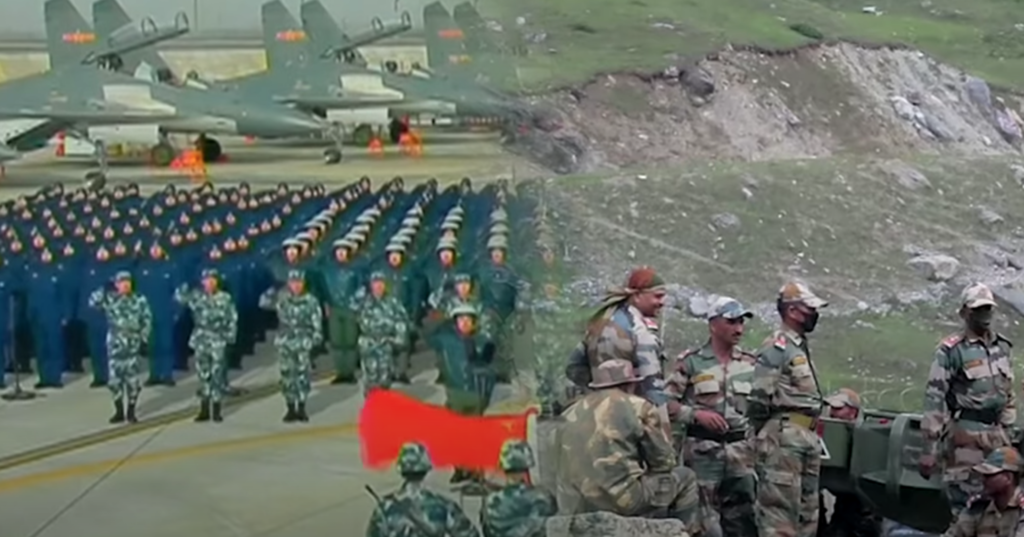
India has once again embroiled itself in a border skirmish with one of its neighbours that has resulted in a serious embarrassment for its military. Its ‘over sold’ narrative of a rising power willing to confront and contain China’s rise has proven to be misleading, as India’s political and military leadership struggles to explain why India continues to face ‘strategic paralysis’ in times of crisis, despite the claims by its military of preparing for a ‘two-front war.’ The growing frequency of regional crises indicate that India is emerging into a restless revisionist state with misguided global ambitions, which if remained unchecked could have serious implications for regional as well as international security environment.   

A Restless Neighbour.    India seems to be in a perpetual state of crises with most of its neighbours. The recent China-India crisis along the Line of Actual Control (LAC) – a disputed borderline dividing the territory between the two – is the fifth military confrontation over the past seven years. India also continues to remain embroiled in periodic clashes along the Line of Control (LoC) with Pakistan, some of which led to serious military escalation and had the a potential for an all-out war.

In 2016, India declared that it had launched a land-based ‘surgical strike’ inside Pakistan-administered Kashmir – a claim that was refuted by Pakistan but exploited by the Indian political leadership for their domestic-politics gains and to signal that India will not hesitate to take ‘punitive’ measures against its neighbours. Emboldened by the lack of response from the Pakistani side and international criticism for its rogue behaviour, India launched an aerial surgical strike in 2019, inside mainland Pakistan, which  was responded with a matching counterstrike by Pakistan resulting into shooting down two of the Indian Air Force (IAF) aircraft and the capture of one of the IAF pilot.

India’s other smaller neighbours are also not at peace due to unresolved border disputes. Nepal has recently issued a new map reclaiming part of its territory that it claims has been occupied by India. After a recent skirmish along the border, the tensions between the two neighbours have risen. Bhutan, which is a much smaller country has to bear with frequent incursions by the Indian military against alleged insurgents that India claims operate from Bhutan’s territory.

In Aug 2019, the current BJP government attempted to unilaterally alter the special status of disputed territories of Jammu & Kashmir (J&K) and Ladakh by abrogating Articles 370 and 35A and declaring these as India’s Union territories. Both Pakistan and China rejected India’s decision which was also a violation of the UN Security Council resolutions. India nevertheless, continued to make administrative changes and develop road infrastructure in the disputed region of Ladakh, which eventually became one of the reasons for the recent ‘face-off’ between the Indian and Chinese troops.

Misguided Ambitions.    India’s ambition to emerge as a global power predates the nuclearization of South Asia. In fact, the acquisition of nuclear weapons was one of the means to achieve this end objective. The demise of the former Soviet Union provided India a much-wanted opportunity to assert its leadership credentials and project itself as a credible rival to China. This nevertheless required building India’s image of a ‘responsible’ nuclear power and significant modernization of its military.

The Next Steps in Strategic Partnership (NSSP) agreed between the US and India in Jan 2004 laid the foundation for future collaboration. The US used its influence to change global nonproliferation norms and craft India-specific exemptions from the export control regimes that could permit India to access sensitive dual-use technologies and help build its conventional and nuclear military capabilities.

The US and several other western allies also propped India for permanent membership of the UN Security Council to raise India’s standing. India is part of the US-led Indo-Pacific strategy and the four-nation ‘Quad’ (US, Japan, Australia, and India), which helps India to project itself an equal partner in the US-led China containment strategy.

The engineered perception that India is a rising global power may have led to unrealistic expectations and given India a false sense of entitlement and superiority. The rise of ‘Hindutva’ in India’s polity under the current BJP led government; its abhorrence towards a rule-based international system; and coercive military behaviour against almost all of its immediate neighbours – are an outcome of India’s unbridled global ambitions. India faces serious structural deficiencies and if it continues to pursue its misguided ambitions, it may lead to further embarrassment.

The Myth of a ‘Two-Front War’.    India’s response to the recent LAC crisis against China is in stark contrast with how it reacted during the 2019 Balakot crisis with Pakistan. PM Modi threatened nuclear retribution, if Pakistan did not return the captured Indian Air Force (IAF) pilot; whereas, in the case of China, India’s leadership remained pusillanimous even after losing 20 soldiers and 60 sq km of territory, and another 10 soldiers taken prisoners by the Chinese side. PM Modi, who had crafted his image of India’s strong man, instead of promising a military response, stated: “[N]either has anyone intruded our border, nor is anyone currently intruding, nor is any Indian post in the hands of anyone else.”

This embarrassing denial and the lack of resolve demonstrated by India’s political leadership is reflective of India’s inherent vulnerabilities. India’s military leadership that has been boasting of fighting a ‘two-front war’ against China and Pakistan has proven to be incapable of dealing with its adversaries, even individually.

During the last India-China war of 1962, India was decisively defeated despite major military assistance provided by the US after PM Nehru made desperate pleas by writing two letters in a day to President Kennedy. After 58 years of war preparedness and with an annual defence spending of over $70 billion, India is not much different in terms of military potential and remains dependent on the external assistance.

The recent crisis could be used by India to move further closer to the US, even though India is already a strategic partner with unprecedented access to US military hardware. Joining a formal defence pact to safeguard its territorial integrity seems unlikely and may trigger a race for regional military alliances led by China, which eventually could prove to be counter-productive; and India, instead of containing China, may eventually find itself more contained.

Will India be Able to Restore Its Credibility?      The (mis)perception that India could credibly challenge China’s rise needs a serious review by India’s strategic partners after the recent military stand-off with China. India has also earned a unique honour of being the only nuclear power militarily humiliated by two different and asymmetric nuclear adversaries (Pakistan and China) in a short span of 18 months. The recent face-off may have helped establish China’s military prowess in the region, and it has also emerged as a country willing to take political risks to defend its legitimate interests without any support from the outside.

The outcome of the India-China crisis may also have some useful lessons for India’s relatively smaller neighbours, especially Pakistan which has to deal with India’s coercive behaviour quite often. In a future crisis, Pakistan can contemplate disproportionate punitive measures against Indian aggression, since the latter has proven to be incapable of bearing the consequences of a rapid vertical escalation due to a visible disconnect between India’s political rhetoric and its military potential. Finally, India’s other smaller neighbours may feel more confident in confronting India’s military coercion by opting to align themselves with China or by standing up on their own against the regional bully.    

Nuclear Terrorism in South Asia: A Myth or Reality

“Nuclear competition in South Asia represents a classic conundrum of international relations: enormously high stakes, conflicting and entrenched interests, and at least in the near term, few realistic avenues for mitigating threats.”
                                                                                                                Daniel Markey

Territorial integrity and safeguard of sovereignty has always remained a prime focus of every state. The gradual evolution in military affairs and means of limited war has cited nuclear arsenals as one of the key outfits of national security. Every state is eager to become a nuclear power in order to achieve minimum deterrence and protection from external aggression. However, in the aftermath of the events of September 11, 2001, the threat of nuclear terrorism has become a reality. Nuclear terrorism can vary from attacks on nuclear-related arsenals or facilities, to nuclear weapons going into the hands of rogue elements.

Keeping in view the South Asian matrix, both India and Pakistan have been immersed in an arms race since the cold war era. After the disintegration of the Union of Soviet Socialist Republic (USSR), power dynamics of the world changed and a unipolar political structure emerged, hence a complete transformation in international relations was witnessed. An increase in the production of fissile material and the development of inter-mediate/inter-continental ballistic missiles have been seen at a large scale in the South Asian region. India’s quest to become a nuclear power was beyond the objective of security, while Pakistan’s hunt for the acquisition of nuclear weapons was only for minimum credible deterrence. However, in the current South Asian situation, spread of terrorism had not only left its bitter impact on the region but also raised concerns over nuclear security and safety. Potential threat for nuclear terrorism has remained a prime concern for major global players due to the increased role of non-state actors in international politics.

The fear of nuclear weapons falling into the wrong hands is highlighted by international regimes because of the deteriorating security situation in South Asia, with special focus on Pakistan, which was until recently engaged in a war against terrorism, and its neighbour Afghanistan, which turned out to be the epic centre of the global war on terrorism. In order to maintain its hegemony in the region, India is devising policies to confront Pakistan and counter the role of China in regional affairs. Emergence of non-state actors and various militant groups backed by religious and ethnic fanatics is a matter of grave concern for the present-day regional environment.

The equation of deterrence in the region (South Asia) is gradually changing due to the acquisition of advanced technologies and missiles by India such as the Ballistic Missiles Defence (BMD) system. India’s actions have already started destabilizing the regional power equilibrium, thus forcing her neighbours into an unwanted arms race. The status of the most powerful regional state may lead India to claim the position of having a permanent seat in the United Nations Security Council (UNSC). Moreover, this agenda was endorsed by the US-Indian civilian nuclear deal in 2006, despite being a non-signatory to the Nuclear Nonproliferation Treaty (NPT) and to Nuclear Supplier Group (NSG).

Since its emergence, Pakistan has been facing an intense security environment due to both internal and external threats, which multiplied after its acquisition of nuclear capability. Pakistan’s achievement has been ignored either due to the aggravated situation of terrorism in the region or for other vested interests. The promotion of propaganda against the safety and security of nuclear arsenals was primarily to malign the image of Pakistan. On the contrary, Pakistan possesses a strong command and control system for the security of its nuclear assets against emerging threats.

Despite comprehensive efforts to secure the nuclear program by Pakistan, many analysts in west still opine that the international community urgently needs to expand its efforts to safeguard the existing stockpiles of nuclear weapons and materials, particularly in Pakistan and India.

Nuclear arms race in South Asia began with the Indian nuclear explosion in 1974, following the conduction of nuclear tests in May 1998. Hence a paradigm shift was observed in the South Asian security context as Pakistan followed suit. These developments broke the shackles of nuclear uncertainty in Pakistan; having previously maintained the policy that nuclearization could be avoided despite having potential. Pakistan had traditionally pursued an Indian-centric nuclear policy and hence its response to Indian nuclear tests was natural and anticipated.

Development of nuclear weapons is not only security-driven, but also a state symbol of national prestige and identity. The reasons behind India’s quest to become a nuclear power, other than for security, were: i) to gain regional supremacy, ii) to get a permanent seat in UNSC, and iii) to maintain its hegemony in the South Asian region. India’s flourishing economy and possession of one of the world’s largest armed forces make it a leading South Asian nation. India has actively triggered conventional arms and nuclear weapons race in the region, which has further raised international concerns on nuclear terrorism.

The phenomenon of nuclear terrorism cannot only be attributed to non-state actors; there is always a possibility of state-sponsored terrorism for its vested interests. Indian policies in the region, particularly against Pakistan, have not only triggered an arms race but also increased the potential of nuclear terrorism. No nuclear accident or incident occurred in Pakistan, despite suffering from extreme militancy; Pakistan remained steadfast as a responsible nuclear state even in the era of heightened extremism. Since the development of its nuclear weapon program, it has taken several initiatives to safeguard its nuclear arsenals by establishing National Command Authority (NCA) in year 2001. It also follows the US style system of Permissive Action Links (PAL).

India, while projecting myths to the west against the security of Pakistan’s nuclear weapons, has been a victim of nuclear incidents in the past, which include events like the Tarapur accident in 1989 and 1992, Narora Fire accidents in 1993, Kalpakkam accident, and Mayapuri incident. Leakage of radioactive material causes serious implications, which could not be ignored even at minor levels. Hence, this draws attention towards the insecurity of Indian nuclear weapons. The deficiency in securing its nuclear arsenals does not only lie in nuclear power reactors. Moreover, currently, almost 30 armed insurgencies in India are sweeping across the country, which can put the security of its nuclear arsenals at further risk.

Indo-China Stand-Off – India’s Quest for Regional Supremacy

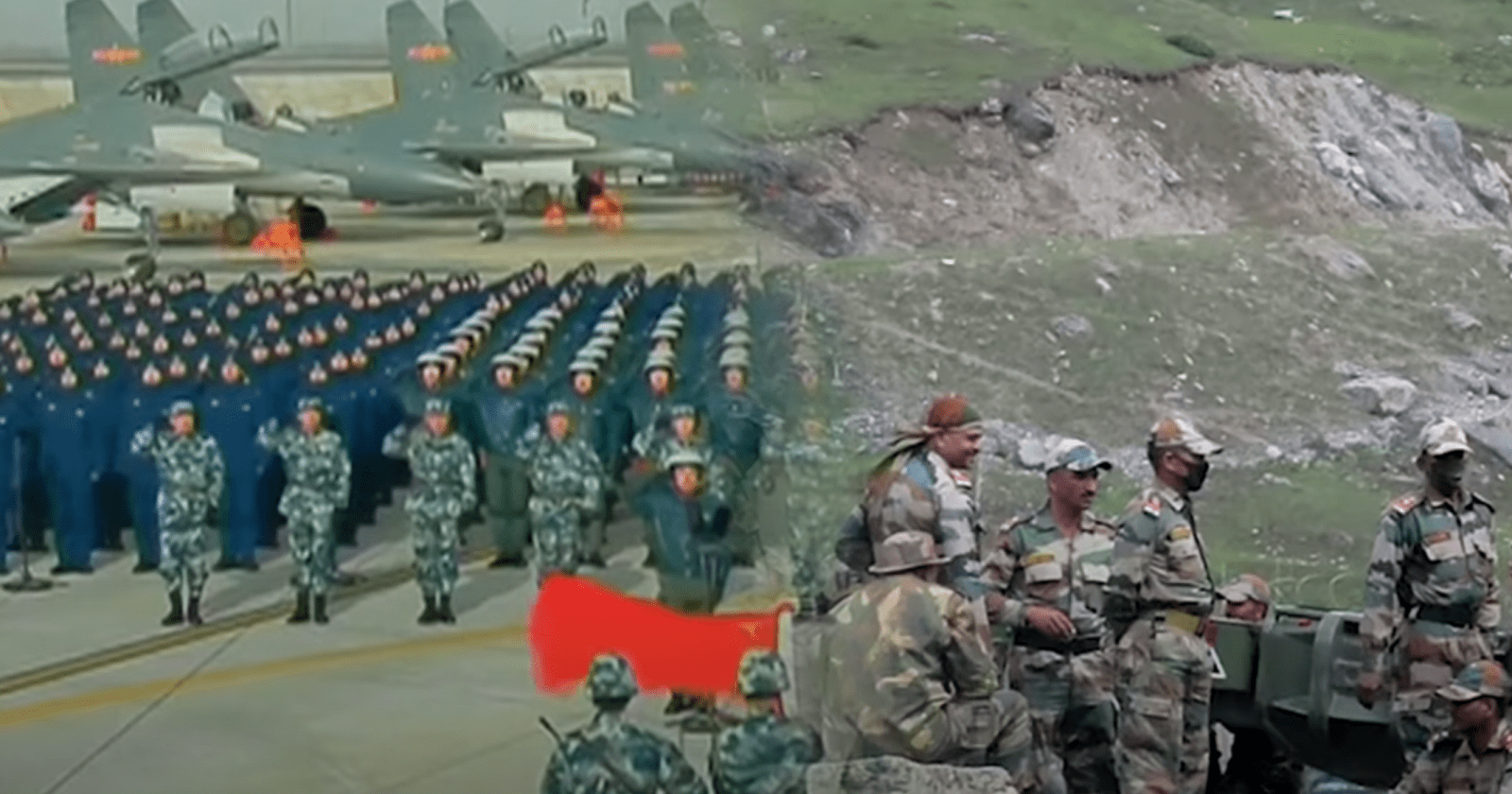
China and India have a long history of tensions over multiple issues out of which the undecided border is at the top. The two neighbouring countries share the world’s longest unmarked land border. They fought a full fledge war in 1962 and are engaged in sporadic skirmishes since then. Recent military incidents have come to the fore again after a relatively long period of quiet. Tensions have spiked, and in a more recent incident, 20 Indian soldiers were killed in a scuffle that broke out between the two sides, flaring the tension to an unprecedented level and risking a major escalation between the two regional powers.  

The conflict started when on May 5, a clash took place between the Indian and Chinese soldiers in Ladakh area at the Line of Actual Control (LAC) due to Indian intrusion and patrolling in Chinese claimed border territory. Apparently these clashes stalked from contradictory assessments of the demarcation of border itself, but the intrusion did not remain limited to one time and point. On May 9, Indian soldiers repeated the same activity which was checked by the Chinese soldiers and both sides got engaged in yet another brawling contest.

Extension of skirmishes to another two to three locations was followed by military buildup in order to gear up responses. The expansion of these brawls at multiple places indicate that Indian Army has been pushing China rather than trying to calm down the situation. Modi’s meeting with his like-minded national security team earlier also indicated the seriousness of the situation. In response, Chinese foreign ministry also vowed to safeguard its territorial integrity at all costs. Both sides have had military level talks to reduce the tensions but have not been able to restore peace.

Going back to 1988 Sino-Indian deal, which fostered some kind of tranquility promoting economic linkages and activities; outstanding issue of border demarcation was left unresolved. Statistically the two countries were near equals on the world stage at that time; however, material balance of power between the two countries has dramatically changed since then. India has been on a steady path of rising economy but on relative terms its growth has considerably declined. Currently both nations are also engaged in a security dilemma directly and indirectly both.       

India has always been aspiring to take a lead role in the region and occupy a singular dominant position and this quest was aptly bolstered and fueled by the US in the light of US Grand Strategy for the region. India has exercised unilateral political influence with most countries while exercising lopsided treaty relations; Pakistan and Afghanistan being exception to this. In the last seventy years, it has annexed Sikkim; carried out military interventions in Sri Lanka, Maldives, Bangladesh and Bhutan; coerced them with threats of war; and interfered in their domestic affairs. Nepal has recently been victimized as Indian authorities have released a political map showing 35 kilometers of Nepalese area as part of India. Continuous and unprovoked violations of the cease fire at Line of Control (LoC) with Pakistan also reflect pursuits to keep the borders volatile.

The regional situation started to change in 2010s, when China grew in economic power disturbing existent stalemate. China with its persistent progress has increased its footprint in South Asia with far more friendly relations based on inclusivity, equality and mutual interests unlike Indian coercive strategy. In the last decade, while economic linkages between India and China have grown exponentially, their political and military relations have remained tense amidst China’s growing power affording it proportionate say in the regional affairs.

The increasing influence has come with a cost of offending India. India’s foreign policy goals are centered on enhancing its economic and political influence in Asia and around the world. India has been seeking to expand its commerce and trade through India’s North-South Transport Corridor (INSTC) connecting India to Russia, Central Asian countries, Baltic, Nordic and Arctic regions. As Belt and Road Initiative (BRI) has been expanding with considerable gains for China, India views it as a threat to its endeavors.

The US planned exit from Afghanistan is emerging as another challenge adding to India’s frustrations. US diminishing interest and influence in Afghanistan will directly affect India’s goal of regional hegemony. For US, ensuring pro-Indian government and sustained internal stability in Afghanistan are critical factors in cementing Indian influence in the region, which so far seems to be a distinct possibility despite India’s ongoing efforts.

Modi’s domestic policies are also taking toll.Abrogation of Article 370 and crackdown along with burgeoning atrocities in Jammu and Kashmir, enactment of controversial Citizenship Act and unprecedented violence against minorities especially Muslims are clear manifestation of India’s Supremacist approach with roots in Hindutva. Failure to control and cover these atrocities has also added to the frustrations.

India is in a denial mode to accept China’s power and is feeling threatened. Indians see Beijing’s “Belt and Road” initiative as an encirclement campaign, given how determinedly China has been building its presence in Pakistan, Sri Lanka and other points along the Indian Ocean. Indian Prime Minister Narendra Modi’s Act East policy and the increasing US emphasis on the Indo-Pacific has created a framework for better cooperation thus making India an energetic friend at a time when many of America’s traditional allies are going grey.

These actions of India are manifestation of its quest to counter Chinese influence using all possible means tacitly emboldened by US. While both countries have scaled up their military presence in the border region, any military confrontation is likely to bring devastation to the region as a whole. While new cold war is echoing, US desire to use India as countervailing power to China is also inspiring Modi in his quests.

The Indian expansionist ambitions coupled with Modi’s self-induced internal strife may stretch India beyond its capacity. China has asked India to be careful not to include the US factor in its handling of any problem in its relation with China. Accordingly, going forward, either India would have to recognize the new reality and accept an end of its regional domination; or, it would have to find a more even-keel approach in its bilateral relationship with Beijing to make the latter’s forays into the region unprofitable.

India simultaneously is playing the upper hand in the occupied Kashmir by carrying out unabated atrocities and offensive military posturing along the LoC. Evermore than before, India itself is trying to create a two front war situation while world powers like US, EU, Middle East are already grappling with their domestic issues. Any conflagration between the three nuclear states in the region (China, India and Pakistan) is a doomsday scenario and has the potential to engulf the region beyond South Asia. Indian decision-making elite are badly suffering from narcissism and they exude an aura of idiosyncratic populism. Confusion is prevailing and any incorrect and incoherent decision would be detrimental once it is seen in the overall strategic equation punctuated with COVID-19, economic regression and an emerging new world order. India needs to open her eyes to evade the pitfall before it is too late. Pakistan and China must play their role in a sagacious and pragmatic manner while ensuring safety and security of their nations and region alike.     


Nuclear Spending ‘Offset’

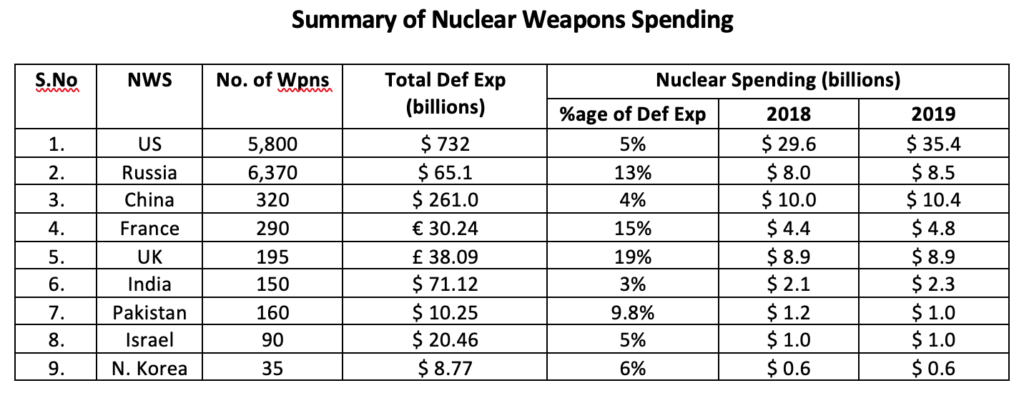
The International Campaign to Abolish Nuclear Weapons (ICAN) recently issued a report titled “Enough is Enough: Global Nuclear Weapons Spending 2019”. The report questions the annual nuclear spending of US $73 billion by the nine nuclear armed states, urging them to give up their nuclear weapons and work towards their complete elimination. ICAN is a consortium of over 500 partner organizations that played a pivotal role in negotiating the Treaty on Prohibition of Nuclear Weapons (TPNWs), more commonly known as the Nuclear Ban Treaty (NBT). The case for ‘wasteful’ nuclear spending, therefore, is in support of the TPNWs objective, and does not take into consideration the nuclear offsets for relatively smaller powers with minimal spending.

The contents of the ICAN report are difficult to corroborate due to the sensitivities associated with nuclear weapons spending in almost all the nuclear weapon states. The report, however, brings out some interesting conclusions that further reinforce the importance of maintaining nuclear deterrence by countries, such as Pakistan, which faces disproportionate asymmetry and cannot afford to engage in a conventional arms race with its hostile eastern neighbour.    

According to the report, the annual nuclear spending of $73 billion by all the nuclear weapon states includes the cost of development and maintenance of nuclear weapons but excludes the financial and human cost that could incur if these weapons are ever used. The report also does not include the cost for unpaid or deferred environment and health related expenses; missile defences that some states are acquiring to protect themselves against a nuclear threat; and nuclear threat reduction and incident management related costs – all of which could increase the cost by additional 50 % of the current estimates.

Who is Spending Less with More Dividends?        As per the report, Russia has the largest nuclear inventory of 6,370 weapons but is spending $8.5 billion, as compared to the US that spends almost four times more, i.e. $35.4 billion to maintain relatively lesser inventory of 5,800 weapons. Similarly, China has only 320 weapons but spends more than Russia, i.e. $10.4 billion. The UK has 195 weapons and spends $8.9 billion, almost equal to Russia’s and twice than the French spending of $4.8 billion to maintain their 290 weapons. The most interesting case is of Pakistan, which spends $1 billion on its 160 weapons, as compared to India which spends twice the amount, i.e. $2.3 billion to maintain almost the same number of weapons. Israel also spends the same amount as Pakistan does i.e. $1 billion but is believed to be in possession of half of Pakistan’s inventory.

Source: 2020 SIPRI and ICAN reports

These conclusions do not take into account various factors that could otherwise affect the overall nuclear spending, such as the types of national inventories. This may include delivery systems like the nuclear powered ballistic missile submarines (SSBNs); and nuclear capable aircraft that some countries are in the process of inducting, which could also be used in the conventional roles.

The Controversy Surrounding the Nuclear Numbers in South Asia.      Both India and Pakistan are believed to be in possession of an almost equal number of nuclear weapons, i.e. 150 and 160 respectively – a conclusion drawn mainly from the western reports that always put Pakistan 10 weapons ahead of India and label it as the fastest growing nuclear weapons program. If India and Pakistan are expanding with the same differential for the past several years, as per these reports, then both countries should have the fastest growing nuclear program, and not only Pakistan.

India’s inventory of 150 nuclear weapons does not take into consideration all of its unsafeguarded fissile material stockpiles that could otherwise be used in weapons development. According to a Belfer Centre report, if all of the weapons and the reactor grade Pu and the HEU stocks are taken into account, India could build between 2,261 and 2,686 weapons. It is quite possible that India has a greater number of weapons than what is commonly estimated, and is, therefore, spending twice the amount that Pakistan spends towards its nuclear weapons development and maintenance.

India started its nuclear weapons program much earlier in the late 1950s, and tested its first nuclear device as early as 1974 by diverting the fissile material from the Canadian supplied reactor. The India-US nuclear deal and the subsequent waiver by the Nuclear Suppliers Group (NSG) in 2008 permits India to use all of its eight military facilities out of the existing twenty-four, purely for military purposes. This significantly increases India’s bomb making potential, and if India decides to convert even half of its fissile material, it will emerge as the third largest inventory holder amongst all the nuclear weapon states.

The ‘Opportunity Cost’ of Maintaining Deterrence.      The ICAN report’s conclusion that nuclear spending is a wasteful expenditure that could be avoided may have some relevance for countries that enjoy significant conventional advantage and are faced with no significant external threat to their security. But, the report may have unwittingly endorsed the rationale of nuclear spending for countries like Pakistan that continues to face existential threat from its eastern neighbour, which has a disproportionate conventional advantage.

Pakistan’s current defense expenditure is $10.25 billion as compared to India’s $71.12 billion. Out of this, it is spending only $1 billion to maintain a credible deterrent to counter India’s conventional as well as nuclear threat. Without this minimal investment, Pakistan may have no other choice but to substantially increase its overall defence budget that it can ill afford due to its limited financial resources.  

The issue of resources is likely to become more acute in the post COVID-19 environment, where non-traditional security challenges will emerge as a major concern with more demands for the reduction of military expenditures. This may force countries like Pakistan to further increase its reliance on nuclear weapons to enhance the ‘opportunity cost’ of nuclear spending, while sparing its limited financial resources to be diverted for socio-economic needs.

Pakistan’s Nuclear Weapons: The Guarantors of Peace in the Region

May 28th is a day of pride (Yom-e-Taqbeer) for Pakistan that placed it as a member of an exclusive club of less than ten states. 28 May, 1998 is the day when Pakistan’s nuclear tests readjusted the regional balance of power. The zealous celebrations of this day signify commendable efforts that Pakistan’s scientists placed into making Pakistan more secure. There is no doubt that nuclear deterrence is the most important strategic factor for the preservation of Pakistan’s national security.  

Unlike what many nations think, Pakistan’s weapons are primarily “weapons of deterrence”, not prestige. Pakistan always supported the idea of peaceful uses of nuclear technology that began with its participation in the US Atoms for Peace initiative. There were three main events that made Pakistan’s reluctant entrance into the nuclear club a reality. First, India’s involvement in dismembering Pakistan’s Eastern Wing, India testing its nuclear weapons in 1974 and then the 11th May Indian tests. These events left Pakistan with no other option but to opt for nuclear weapons, keeping in mind the security situation of the region and its conventional arms weakness vis-à-vis India. It cannot be disputed that Pakistan was a reluctant entrant in the nuclear weapons game as no country can overlook its security concerns.

The event presented a unique look into the prevailing dynamics of nuclear deterrence and strategic stability within the contemporary South Asian security environment. It was the Indian tests that affected the balance of power and started an arms race in the region. It was such actions that forced Pakistan to go for nuclear weapons with the sole aim to maintain deterrence stability and a balance of power. It is pertinent to note here that since Pakistan acquired nuclear weapons capability, it has not indulged in any arms race with India. Consequently, Pakistan has always shown a restrained response to Indian aggression. It cannot be disputed that as India’s nuclear programme is for prestige and an attempt to reverse the global order and regional order. Furthermore, Pakistan’s efforts for acquiring such capability were purely security driven to counter Indian belligerence. This also is a right of self-defence as enshrined in Article 51 of the United Nations Charter.

After the tests conducted by Pakistan, it faced isolation at the international stage. There were abrupt views that the development of a nation depends on its political stability, foreign policy, economic stability and providing better resources to its civilians rather than opting for nuclear weapons. There is no doubt that these factors are important for the uplift of any nation and its stability. Nevertheless, nuclear strength was a significant milestone to be achieved where you have an arch nuclear rival in the neighbourhood, which is not only conventionally superior, but also hostile enough to launch military adventurism against you in the future. 

The nuclear tests by Pakistan made it an unthinkable option for both countries in South Asia to opt for a full-scale war in the region. These tests led to the start of peace process in 1999. However, the Kargil event halted the process but it resumed again in 2004 by the name of composite dialogue. During this process, both countries agreed that the nuclear capability constituted a factor of stability in the region. Furthermore, Pakistan has offered a Strategic Restraint Regime (SRR) and many confidence building measures to India which have been turned down by the obnoxious neighbour.

The introduction of Cold Start Doctrine (CSD), also known as Pro Active Strategy, to conduct limited conventional operations under nuclear overhang has completely changed the scenario in the region. Therefore, in order to ensure the credibility of nuclear deterrence, Pakistan opted to induct Short Range Ballistic Missiles (SRBMs) as a part of its Full Spectrum Deterrence (FSD) posture. The FSD is not a quantitative shift but a qualitative response to address new the challenge posed by India’s CSD. SRBMs are the final strand in completion of deterrence and an effective defence mechanism. These Short-Range Low Yield weapon systems are meant to plug the perceived gaps that Indian planners seek to exploit, thereby, pouring cold water on Cold Start. Thus, Islamabad’s full spectrum deterrence has frustrated and upset Indian designs. Former Director General of Strategic Plans Division General Khalid Kidwai also stated that the development of FSD is to bring “every Indian target into Pakistan’s striking range” and acquire “appropriate weapons yield coverage and the numbers to deter the adversary’s pronounced policy of massive retaliation.”

Over the past two decades, whatever Pakistan achieved in nuclear field helped Pakistan in ensuring balance of power in the region. For instance, Pakistan introduced Babur III Submarine Launched Cruise Missile (Hatf VII) to counter Indian Ballistic Missile Defence (BMD) System, which, otherwise, can give India a false sense of security which can pave way to Indian military adventurism against Pakistan. Due to these Indian developments, India can also opt for a first strike or a decapitating nuclear strike against Pakistan. Pakistan also introduced Ababeel MIRV missile which is critical vis-à-vis India’s rapidly developing missile defence shield. Furthermore, Indian completion of the nuclear triad is also a case in point, because, if only one adversary acquires an assured second-strike capability, it destabilizes deterrence.

Once the international community turned a blind eye towards Indian nuclear test that eroded stability in South Asia, Pakistan had to act to ensure deterrence stability in the region. Likewise, Indian nuclear and military modernization including acquisition of BMD systems, MIRVing, cannisterization of missiles and nuclearization of Indian Ocean Region is ignored by the international community. This situates the onus of ensuring peace and stability on Pakistan once again. Pakistan will obviously stop at a point where it feels it has enough to deter India but whether the same applies to India is uncertain. Without nuclear weapons, Pakistan’s national security interests will always be in jeopardy and this is a lofty risk which Pakistan cannot take.

Pakistan’s Nuclear Weapons: A Product of Strategic Necessity

Pakistan’s nuclear weapons program over the years has been subject to criticism, including safety and security concerns, the myth of the fastest-growing program, or the diversion of resources towards them; it faced all. However, looking at the harsh geopolitical and strategic reality, the efforts to build and maintain them are worthwhile and vindicated. They have fulfilled the objective of their development by adding to the security of Pakistan against its arch-rival, India.


Pakistan became the seventh nuclear weapon country when it detonated six nuclear devices on 28th and 30th May 1998. The testing of nuclear weapons became a compulsive necessity after India had conducted its tests earlier on 11th and 13th May 1998. Indian nuclear tests had embarked on a new era of deterrence and disturbed the strategic balance in the South Asian region. Pakistan’s tests restored it. 


Unlike India, which mainly had the prestige aspect, the primary factor behind the development of nuclear weapons for Pakistan was the security guarantee against existential threat from its nuclear neighbour. There is a disparity between Pakistan and India when it comes to conventional weaponry and resources. Moreover, historically it has faced Indian aggression in three major wars in 1948, 1965, and 1971. After the Fall of Dhaka in 1971, Pakistan’s political leadership started to think about the idea of acquisition of nuclear capability as the ultimate weapon for its security. On the other hand, India had already developed critical nuclear infrastructure and its nuclear ambitions were no secret either. However, after the so-called Peaceful Nuclear Explosions (PNE) by India in 1974, Indian nuclear aspirations became self-evident. It left no option and there was no turning back for Pakistan after those tests. 


Over the next decades, Pakistan’s journey to master nuclear technology and build a bomb was a journey of dedication and devotion from the start till the successful tests in 1998. It was also a success to the defiance, to all the impediments and technological denial by the West. The decision to test nuclear weapons was also made after resisting extreme pressure from West not to conduct tests. However, it was a compulsive strategic decision for Pakistan under emerging security dynamics and threat perception from its neighbour, which had changed after the India’s 1998 tests. The sudden change in South Asian strategic environment only demanded a show of capability and resolve from Pakistan. It was the ‘now or never’ moment for Pakistan to balance the strategic equilibrium and deter India’s belligerent policies and aggressive behaviour towards Pakistan.


In parallel, the ruling Indian Bharatiya Janata Party (BJP) had started flaunting their capability and making threats to Pakistan. For instance, Deputy Prime Minister L.K. Advani bluntly threatened that since India possessed the bomb, Pakistan should watch its steps in Kashmir. Subsequently, Pakistan could not have ignored those threats and provocations from India; therefore, it went ahead with the strategic decision to test nuclear weapons. 


Since 1998, the presence of nuclear weapons on both sides of the border has ruled out the option of a conventional war between India and Pakistan, hence restoring nuclear deterrence. This has been evident from all the major military crisis between them after the tests. Starting from the Kargil crisis in 1999, the Twin Peak crisis in 2001-2002, Mumbai attacks in 2008, to the recent Pulwama crisis; all these crises have diffused and ceased without any major military adventure between both countries. The primary reason is that nuclear weapons were at play. 


Not only did the leadership in both the countries anticipate the role of third parties to mitigate the crisis, but also the third parties, mainly the US and China, were also eager to diffuse the tensions between the two nuclear powers.


Not being able to initiate a war with Pakistan in the changed reality, India developed plans of limited conventional war with Pakistan under the Cold Start Doctrine since 2004 to punish Pakistan for the alleged support to the freedom struggle of Kashmiris. However, under the BJP government, ideas such as CSD are entering the mainstream and maturing due to its irrational and nationalist mindset, which will be consequential not only for the South Asian region but also for the world. Additionally, Pakistan had always based its nuclear deterrence policy on minimalism yet countering the full spectrum of threats from India. Therefore, it has developed smaller range nuclear weapons, Nasr, and also strengthened conventional capabilities to counter the Indian Cold Start Doctrine. 


It is important to note that the same BJP was in power when India conducted nuclear tests in 1998 and the same BJP is in power now which is trying to test regional strategic stability. The current BJP leadership has increased violence in Kashmir, abrogated its special status, and brought the idea of surgical strikes in Azad Kashmir or mainland Pakistan.


During the Pulwama crisis last year, India dropped munitions within Pakistani territory using its air force. Pakistan responded and reciprocated through military action and buried the notion of compelled major military combat between two nuclear powers.


These past unpleasant events show that nuclear weapons have deterred limited or full-scale war between India and Pakistan and one can hope that they continue to do so. Therefore, nuclear weapons have served the purpose of deterrence stability between India and Pakistan. However, maintaining stability is not a one-time action but a continuous effort and ongoing process. New challenges can emerge along with new solutions, subsequently maintaining the status quo.

The Other Side of the Nuclear Coin

The advent of fission in 1938 – a process in which an atom, bombarded with neutron is split into two or more parts with the release of a large amount of energy – gave the world the nuclear energy. This energy was initially used to build nuclear weapons, whose destructive power was practically observed when the US dropped these weapons on the two Japanese cities of Hiroshima and Nagasaki in August 1945. Subsequently, more states entered the nuclear club and the Nuclear arms race that ensued with the development of first nuclear weapon in 1945 and the fear of nuclear war has given nuclear technology a connotation of an enemy of the mankind. However, there is another side of the nuclear coin that remains overshadowed – the peaceful applications of nuclear power.

The nuclear technology is currently being used for peaceful purposes world over in different sectors, such as medicine, health, agriculture, industry, pollution control, water resources management and safe and sustainable electricity production. Radiation and radioisotopes are used in medicine for diagnosis and therapy of various medical conditions and to sterilize medical products. In the agriculture sector, radioisotopes and radiations are used to improve food production, sustainability, increase food shelf-life and insect control. In industries, radioactive materials are used as tracers to monitor fluid flow and filtration, detect leaks, corrosion of equipment and to inspect metal parts integrity. Nuclear techniques are also being used for detecting and analyzing pollutants in the atmosphere and for accurate tracing and measurement of underground water resources. Last but not the least nuclear energy is also being used to produce electricity. Currently, there are 440 Nuclear Power Plants (NPPs) operating in 30 countries worldwide providing 10 per cent of the world electricity. About 50 more reactors are under construction, which will increase the share of nuclear energy in worldwide electricity production to 15 per cent.

Pakistan, a reluctant entrant into the nuclear weapons club has also been using nuclear energy for peaceful purposes even long before it conducted nuclear weapon tests on 28 May 1998. The nuclear energy sector in Pakistan spans over several areas, which include, power generation, minerals exploration, developing high-yield stress-tolerant crops, cancer treatment, design and fabrication of industrial plants and equipment and human resource development.

Pakistan established its first NPP in Karachi, known as Karachi Nuclear Power Plant (KANUPP) in 1972 with the total capacity of 137 MW of electricity. Currently, Pakistan is operating five NPPs, one in Karachi and four at Chashma with combine operating capacity of approximately 1472 MW of electricity, while two are under construction at Karachi that are likely to be completed in 2021, each having capacity of 1100 MW of electricity. Considering the increasing electricity demands in the country, Pakistan plans to generate 40,000 MW of electricity from nuclear energy by 2050.

Pakistan established its first nuclear medicine centre at Karachi in 1960 and now 46 hospitals in the country are using nuclear technology for diagnostic of diseases and treatment of cancer. Out of these 46 hospitals, 18 hospitals are being operated by Pakistan Atomic Energy Commission (PAEC), which offer state-of-the-art diagnostic and cancer treatment to around 0.8 million patients annually, either free of charge or at subsidized rates. These hospitals cater for 80% of the total cancer patient of Pakistan. In the agriculture sector, Pakistan has established four agriculture centres that are using nuclear technology to improve agriculture sector productivity by introducing new crop varieties, pest control technologies, plant nutrition and water management, animal health and productivity and food decontamination and preservation. Using nuclear techniques, PAEC has contributed 111 high yielding, disease-resistant and stress-tolerant varieties of cultivation under various environmental conditions and water availability regimes.

Pakistan is also engaging with international organizations to propagate the peaceful uses of nuclear technology worldwide. It was the founding member on International Atomic Energy Agency, which assist it members states using nuclear science and technology for various peaceful purposes and is also an Associate Member of European Organization for Nuclear Research (CERN). Pakistan has a remarkable experience in the safe and secure operation of nuclear power plants and invested extensively in developing indigenous capabilities and human resource. Therefore, Pakistan has the expertise and the ability to supply items, goods and services for a full range of nuclear applications for peaceful uses. For this purpose, Pakistan wants to become a member of Nuclear Suppliers Group (NSG) – a group of 48 states that ensure that nuclear trade for peaceful purposes does not contribute to the proliferation of nuclear weapons but is facing opposition from some member states because of political purposes. Pakistan believes that its expertise in manufacturing nuclear and dual-use items, long history of supporting non-proliferation ideals, and other credentials makes it suitable to be a proactive member of the NSG and it will be a win-win situation for both sides.

As a responsible nuclear state, Pakistan favours non-proliferation and nuclear disarmament, which should be achieved in a universal, verifiable and nondiscriminatory manner but also believes in using nuclear energy for peaceful purposes. Therefore, nuclear technology for peaceful purposes should be shared worldwide without any discrimination for the socio-economic development of the countries. This will also help in reducing the stigma associated with nuclear energy since 1945.

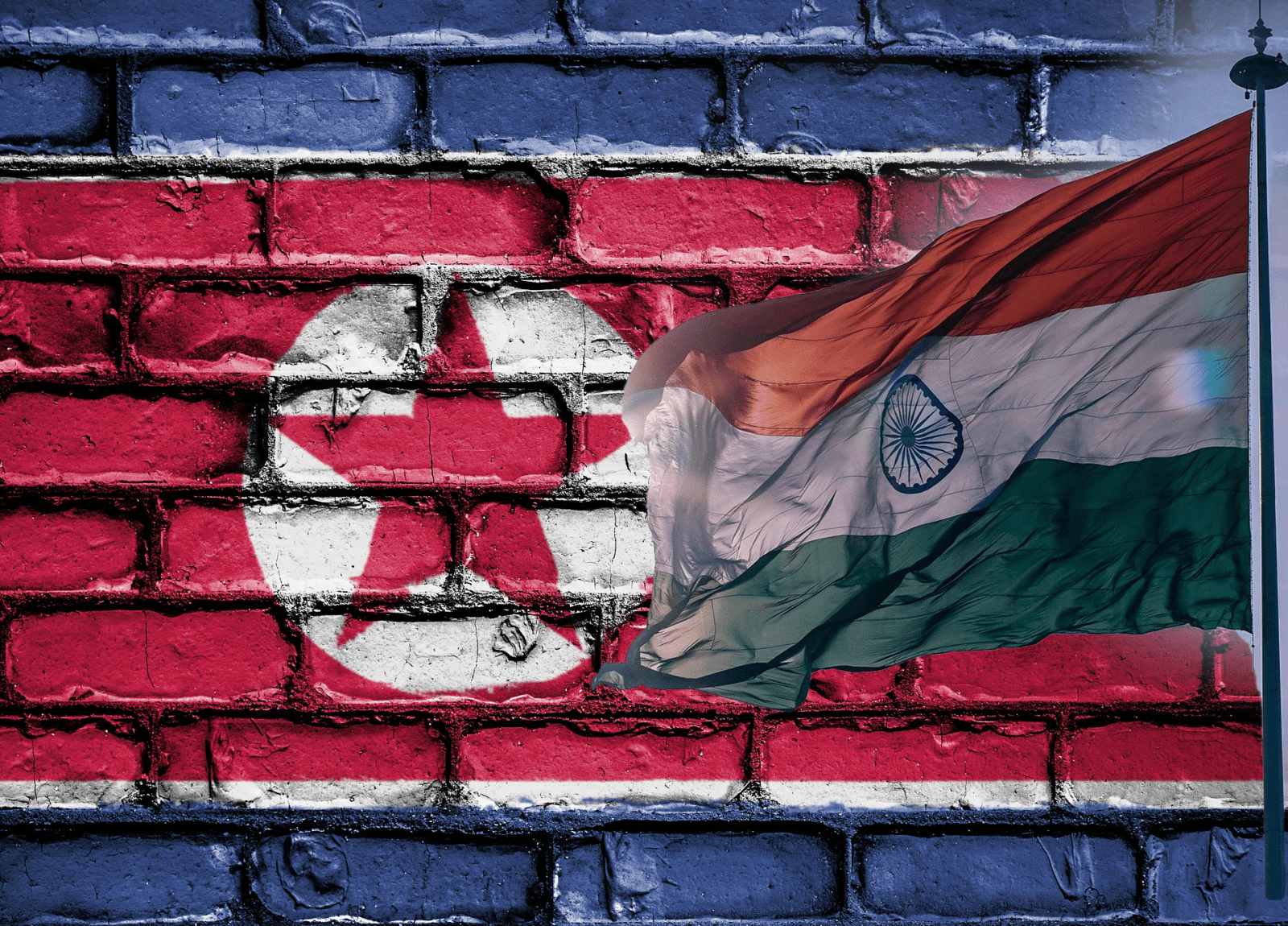
North Korea is Not the Biggest Threat, Its India!

“The civil nuclear cooperation agreement between the two countries has not turned the relationship into a partnership, as envisioned. But it has undermined US leadership credibility in trying to strengthen the global nonproliferation regime.”

George Perkovich

For over three decades now, a major component of global disarmament and non-proliferation efforts by the United States, in fact the United Nations, is to restrict North Korea from getting Weapons of Mass Destruction (WMDs). However, the decision makers of both, the contemporary and previous US Administrations and the United Nations Security Council (UNSC) have not been able to cap the hole, which is the main cause of today’s weakened global regime of non-proliferation and still, the North Korean nuclear issue stands. This hole is basically India, which has maintained its covert trade and training engagement with North Korea.

For instance, over the decades, North Korean nuclear talks have not been successful; North Korea has claimed to have conducted a few nuclear weapons tests and is further looking to acquire accurate long range missile technology to threaten the United States, South Korea and any other country that is not like minded. In turn, the US has imposed strict economic and political sanctions on North Korea, pressurizing it to give up its nuclear ambitions. Meanwhile, UNSC has also imposed severe embargos on North Korea through its resolutions, among which a notable one is the UNSCR 1874 (2009).

However, India is among the very few countries that has maintained close and ambiguous ties with North Korea at individual, organizational and state level, for example, through its trade of goods including prohibited nuclear items, technology, and training of missiles development. Ruling ideologies of both countries are extremist in nature, in fact India’s is the worst. North Korea has been ruled by the hard line dictatorship of Kimilsungism-Kimjongilism ideology (Kim dynasty) and India has been ruled by radicalized-cum-hardliner Hindu terrorist ideology of Rashtriya Swayamsevak Sangh (RSS), whose political wing is the current ruling Bharatiya Janata Party (BJP). Besides, India is the second biggest trade partner of North Korea. According to data obtained in 2017 by the Observatory of Economic Complexity, India makes up $97.8 million of North Korea’s exports and $108 million of its imports.

India and North Korea both have acquired nuclear weapons and missiles technology through illicit means to exploit their neighbours. India has border disputes with all of its neighbours, none are happy, in fact internally it has forcefully suppressed the voices of Kashmir’s freedom movement, Sikh freedom movement and over 60 communities that do not want to enact with India. Likewise, North Korea treats its neighbours and locals similarly. India has transferred scientific knowledge, training, and technology to North Korea, which could be used in making and delivering the WMDs. Al-Jazeera published a detailed report on how Indian state-owned space research organizations are training, facilitating, and equipping North Korean scientists, through which they can make missiles to take high-yield payloads to longer distances.

Space research and development is the domain in which the US and other Western countries have helped India for peaceful purposes, but like nuclear research it ended up in India’s intercontinental missiles development and A-SAT programs. Now India will transfer both these technologies to North Koreans, and it will become another headache for the US and UN. A recently published report by Centre For Advanced Defence Studies (C4ADS) reveals that India has illicit connections with 222 companies around the world with regards to nuclear proliferation. India has exploited the US 2008 nuclear waiver to covertly trade nuclear items in order to feed its fastest growing nuclear weapons program.

Another report no. S/2020/151 given by UN’s Panel of Experts regarding progress on Resolution 1874 last month, reveals that India imported prohibited goods such as iron and steel, zinc, electrical machinery and equipment, nuclear reactors, boilers, machinery and appliances from 2018 to 2019. It is clear why India sent its Junior Foreign Minister VK Singh to North Korea in 2018. All of these items are used in the development of WMDs. India is seriously involved in nuclear weapons and missiles proliferation, and UN’s experts have been reporting Indian violation of UN resolutions for a decade in their previous consecutive reports. It is a slap on UNSC’s face by India, the very organization it wants to become a permanent member of.

The US must realize the consequences of giving carrots to India, because on one hand, India is asking for more and more political and strategic exceptions in the name of someday countering China, which is a distant dream and farce notion (I will elaborate this point further in my next analysis); and on the other hand, India is actually stabbing US in the back, and it is the main cause of the creation of this huge global proliferation challenge. India has strong ties with all the states that US considers to be its adversaries. Eventually, India will support the political push for isolating US in international politics in the name of multilateralism. The US and UNSC must impose strict economic and strategic sanctions on Indian activities to secure strategic stability and cap the Indian nuclear weapons program, as it has already jeopardized South Asian strategic stability.