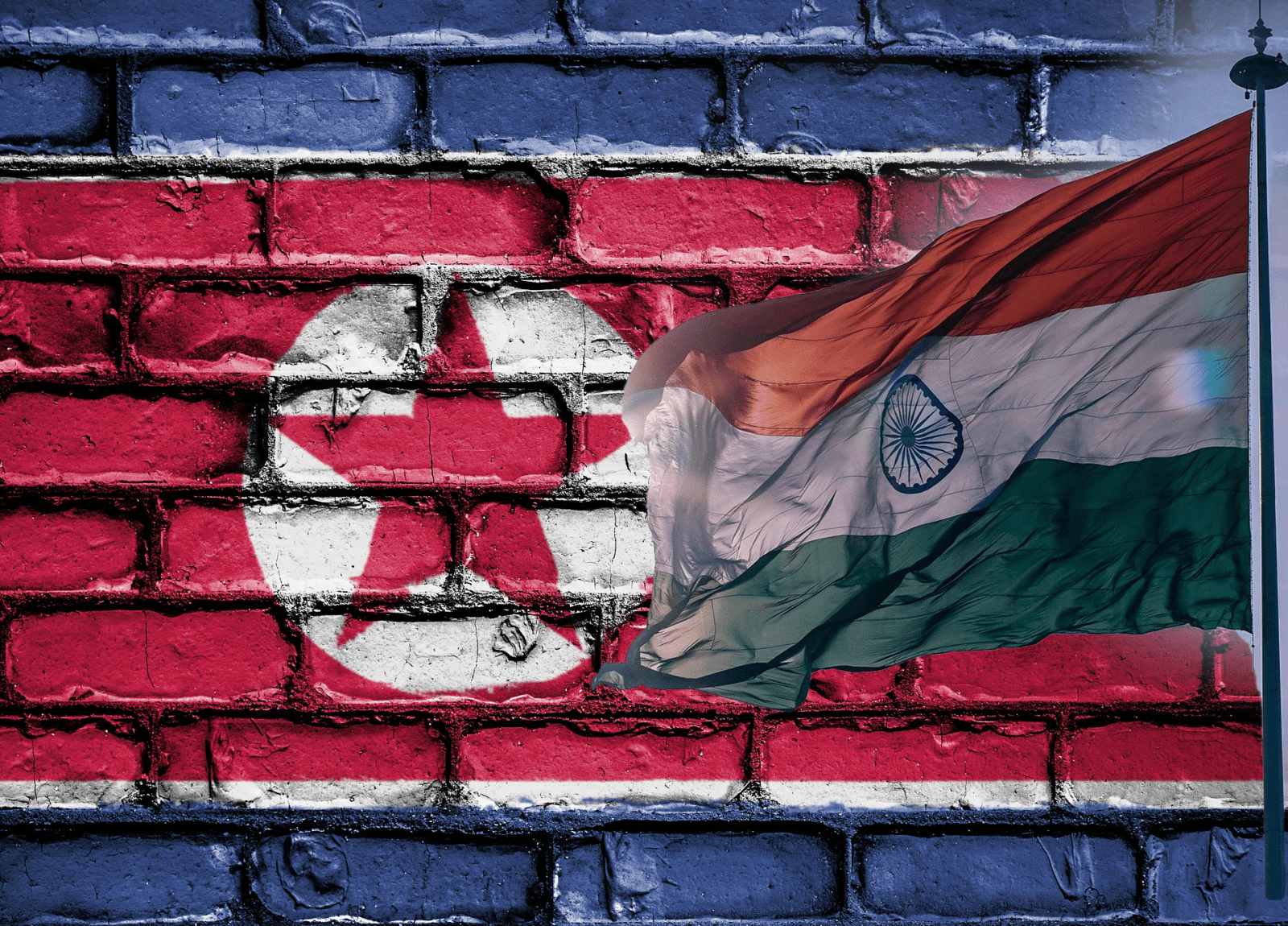
North Korea is Not the Biggest Threat, Its India!

“The civil nuclear cooperation agreement between the two countries has not turned the relationship into a partnership, as envisioned. But it has undermined US leadership credibility in trying to strengthen the global nonproliferation regime.”

George Perkovich

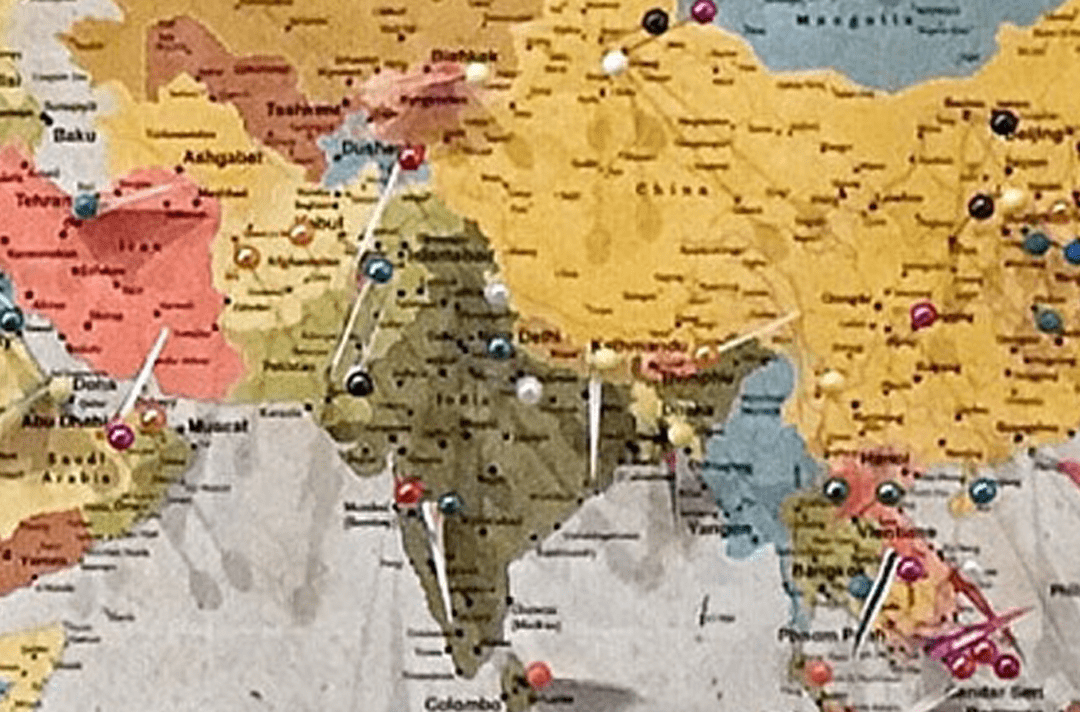
For over three decades now, a major component of global disarmament and non-proliferation efforts by the United States, in fact the United Nations, is to restrict North Korea from getting Weapons of Mass Destruction (WMDs). However, the decision makers of both, the contemporary and previous US Administrations and the United Nations Security Council (UNSC) have not been able to cap the hole, which is the main cause of today’s weakened global regime of non-proliferation and still, the North Korean nuclear issue stands. This hole is basically India, which has maintained its covert trade and training engagement with North Korea.

For instance, over the decades, North Korean nuclear talks have not been successful; North Korea has claimed to have conducted a few nuclear weapons tests and is further looking to acquire accurate long range missile technology to threaten the United States, South Korea and any other country that is not like minded. In turn, the US has imposed strict economic and political sanctions on North Korea, pressurizing it to give up its nuclear ambitions. Meanwhile, UNSC has also imposed severe embargos on North Korea through its resolutions, among which a notable one is the UNSCR 1874 (2009).

However, India is among the very few countries that has maintained close and ambiguous ties with North Korea at individual, organizational and state level, for example, through its trade of goods including prohibited nuclear items, technology, and training of missiles development. Ruling ideologies of both countries are extremist in nature, in fact India’s is the worst. North Korea has been ruled by the hard line dictatorship of Kimilsungism-Kimjongilism ideology (Kim dynasty) and India has been ruled by radicalized-cum-hardliner Hindu terrorist ideology of Rashtriya Swayamsevak Sangh (RSS), whose political wing is the current ruling Bharatiya Janata Party (BJP). Besides, India is the second biggest trade partner of North Korea. According to data obtained in 2017 by the Observatory of Economic Complexity, India makes up $97.8 million of North Korea’s exports and $108 million of its imports.

India and North Korea both have acquired nuclear weapons and missiles technology through illicit means to exploit their neighbours. India has border disputes with all of its neighbours, none are happy, in fact internally it has forcefully suppressed the voices of Kashmir’s freedom movement, Sikh freedom movement and over 60 communities that do not want to enact with India. Likewise, North Korea treats its neighbours and locals similarly. India has transferred scientific knowledge, training, and technology to North Korea, which could be used in making and delivering the WMDs. Al-Jazeera published a detailed report on how Indian state-owned space research organizations are training, facilitating, and equipping North Korean scientists, through which they can make missiles to take high-yield payloads to longer distances.

Space research and development is the domain in which the US and other Western countries have helped India for peaceful purposes, but like nuclear research it ended up in India’s intercontinental missiles development and A-SAT programs. Now India will transfer both these technologies to North Koreans, and it will become another headache for the US and UN. A recently published report by Centre For Advanced Defence Studies (C4ADS) reveals that India has illicit connections with 222 companies around the world with regards to nuclear proliferation. India has exploited the US 2008 nuclear waiver to covertly trade nuclear items in order to feed its fastest growing nuclear weapons program.

Another report no. S/2020/151 given by UN’s Panel of Experts regarding progress on Resolution 1874 last month, reveals that India imported prohibited goods such as iron and steel, zinc, electrical machinery and equipment, nuclear reactors, boilers, machinery and appliances from 2018 to 2019. It is clear why India sent its Junior Foreign Minister VK Singh to North Korea in 2018. All of these items are used in the development of WMDs. India is seriously involved in nuclear weapons and missiles proliferation, and UN’s experts have been reporting Indian violation of UN resolutions for a decade in their previous consecutive reports. It is a slap on UNSC’s face by India, the very organization it wants to become a permanent member of.

The US must realize the consequences of giving carrots to India, because on one hand, India is asking for more and more political and strategic exceptions in the name of someday countering China, which is a distant dream and farce notion (I will elaborate this point further in my next analysis); and on the other hand, India is actually stabbing US in the back, and it is the main cause of the creation of this huge global proliferation challenge. India has strong ties with all the states that US considers to be its adversaries. Eventually, India will support the political push for isolating US in international politics in the name of multilateralism. The US and UNSC must impose strict economic and strategic sanctions on Indian activities to secure strategic stability and cap the Indian nuclear weapons program, as it has already jeopardized South Asian strategic stability.


India Nuclearized South Asia and It’s Not Stopping

“Indian military planners foolishly believe they can engage in and win a limited conventional conflict without triggering a nuclear exchange”

Daryl G. Kimball

The story of how South Asia became a de facto nuclearized region dates back to 1944, when Dr. Homi Bhabha established the Indian nuclear research and weapons program. Both programs were covertly operated side by side. The research reactor CIRUS given by Canada in 1956 and the heavy water supplied by the United States, were being misused by India. It was secretly snipping plutonium from the reactor and assembling the material for a nuclear bomb. In 1974, India tested the first fission-based nuclear weapon under an operation code named ‘Smiling Buddha’. It continued its nuclear weapons program because it wanted to develop both fission-based and fusion-based nuclear weapons. Fusion-based weapons produce high yield energy blast and have more destructive ability than fission.

There are several arguments regarding the purpose of having nuclear weapons and their role in politics. One argument is to keep nuclear weapons as a threat to force a weaker state to submit to the stronger state’s policies. The other argument is that nuclear weapons play an important role in ensuring security for the state. Both arguments are backed by historical security contexts and realist perspectives. Indian decision makers traditionally argued that nuclear weapons would serve as a step toward achieving great-power status. However, the Pakistani leadership urged for the need to get nuclear weapons capability even if the nation had to eat grass, to serve as a deterrent against Indian ambitions.

Now the contemporary strategic situation of South Asia reaffirms that Pakistan’s reaction was right. Indian ambitions were never peaceful, and the Hindu nationalist ideology wanted to achieve hegemonic regional power status. It became clearer when the former Indian PM Vajpayee of the Bharatiya Janata Party (BJP), during his national election campaign in February 1998, said that with nukes he will “take back that part of Kashmir that is under Pakistan’s occupation.” Later, in May 1998, India conducted five nuclear tests, among which one device was a fusion-based thermonuclear bomb. Although it was successful, Indian and Western scientists analyze the test as having ‘fizzled or being a dud’ because the efficiency of the melting device had not generated the desired results.

It was not only Pakistan which sensed Indian military intentions; the latter’s experts also termed the nuclear bomb as a ‘Hindu bomb.’ For instance, the former General Secretary of the Communists Party India Vinod Rai said in June 1998 that “the slogan of Ram Mandir was targeted against Muslims and that of the atom (Hindu) bomb is being directed against Pakistan.” To acquire thermonuclear weapons technology, India is covertly working on perfecting the fusion method. Experts have also shown fears that India is developing a top-secret nuclear city to stockpile reactor fuel in order to create a more powerful nuclear bomb.

India has assigned two classified agencies to secure this project and experts have identified this facility as a nuclear complex entirely for military purposes, i.e. to manufacture centrifuges for weapons and engines. This is exactly why India is evading the signing of the Comprehensive Nuclear-Test-Ban Treaty (CTBT), because it needs to test more thermonuclear devices. The Indian government has granted authority to the Defence Research and Development Organization (DRDO) to expand the missile force for thermonuclear arsenal. The DRDO has adopted advanced technology and has enough funds to conduct nuclear weapons tests on short notice.

Reports show that India has extended its nuclear power plants facilities to stockpile enough material for weapons-grade and potential military modernization. Indian defense ministry sources say that the country has the capacity to make 300-400 nuclear bombs through stockpiled material, ready to be used at any time. As a result, India has purposely never retained a large part of its civil nuclear program under the International Atomic Energy Agency (IAEA) protections and safeguards.

India seeks to restart nuclear tests with sufficient stocks of fissile material, so as to achieve the required thermonuclear weapons yield. Therefore, it has also deliberately kept its fast breeding reactors out of IAEA supervision. It will try to generate several more nuclear warheads in order to implement the nuclear triad program. Pakistan and China doubt the Indian unilateral commitment on non-testing as India may reverse its decision at any moment. The DRDO is rapidly working on the Agni series missiles, which are designated as intercontinental ballistic missiles (ICBMs) and can carry fusion-based high yield warheads. An ICBM on a nuclear submarine will bring all major powers as a target within the range of India.

Indian military ambitions are evolving dangerously, from nuclear to thermonuclear weapons that can carry hundreds of kilotons. In order to achieve those ambitions, India is pushing hard for inclusion in the Nuclear Suppliers Group (NSG) because then it will get uninterrupted supply of international nuclear material. It will be free to use extra stockpiles of domestic enriched uranium and tritium fuel reserves to be spent in thermonuclear/hydrogen bombs. Pakistan needs to carefully shape its security policy because India’s acquisition of the fusion bomb will not only negatively impact regional security, but also global security. The international community must bring India’s nuclear weapons program under scrutiny to strengthen the global nonproliferation regimes.

Air Launched Ballistic Missile: A Near Term Hypersonic Option for Pakistan

Pakistan’s defence posture is mainly aimed at securing itself against the threats emanating from its arch-rival India. Over the years, it has made efforts to counter these threats by acquiring or developing systems to enhance its defensive capability. Resultantly, a strategic balance has existed in South Asia for over four decades. Pakistan was forced to develop nuclear weapons after the Indian nuclear tests in 1974. The case of ballistic missiles in the region is similar to this. India has already developed supersonic Brahmos missile and is now aspiring to develop hypersonic technologies. When developed, these would pose a direct threat to Pakistan’s security. Hypersonic technologies, being new and expensive, are challenging and may take a long time for Pakistan to develop or acquire. However, an air-launched ballistic missile (ALBM) system could be an option for Pakistan in the near term.

Hypersonic Technologies

Major powers like the US, Russia, and China are rushing to develop hypersonic cruise missiles (HCMs) and glide vehicles (HGVs) due to their enhanced ability to penetrate missile defences through speed and manoeuvrability. While hypersonic cruise missiles use scramjet engine technology, the glide vehicles follow an unpowered fight after they are ascended into the atmosphere, between 30-50km altitudes, through a ballistic missile. Both these technologies are being developed by major powers at present, something other nations may take years to master.

The motivation behind hypersonic weapons development is the layer of ballistic missile defences that the US is developing and deploying. Therefore, to penetrate those defences, speedy and manoeuvrable weapon systems are being developed. Furthermore, these new weapons give an added benefit of carrying out a comprehensive pre-emptive strike against the adversary.

ALBM for Pakistan to Counter Indian Threats?

In the South Asian context, India will soon be able to deploy ballistic missile defence (BMD) systems against Pakistan. Theoretically, Pakistan should develop new kinds of systems to penetrate these defences. But it is India that is engaged in the development of hypersonic technologies. Pakistan, on the other hand, is not known to have any hypersonic Research & Development (R&D) program. It has a declared policy of not engaging in an arms race in South Asia and does not wish to spend limited resources on these weapons.

However, after India develops hypersonic weapons, Pakistan will be forced to counter them to maintain strategic balance and stability in the region. It can develop similar technologies for deterrence purposes as a first step and some defensive measures against them as the second step. But one near term solution, as mentioned before, can be found in an air-launched ballistic missile similar to the Russian Kinzhal and the Chinese CH-AS-X-13 missile.

ALBM is not a new concept, the system is from the Cold War era when first developed by the US during the 1960s. However, focused shifted to sea-launched ballistic missiles (SLBM). Today, the US, Russia, China, and Israel are developing or have developed ALBMs.

ALBM Role in Pakistan’s Defence

The ALBM is a near term option and can contribute to Pakistan’s defence preparedness with its numerous features as discussed below.

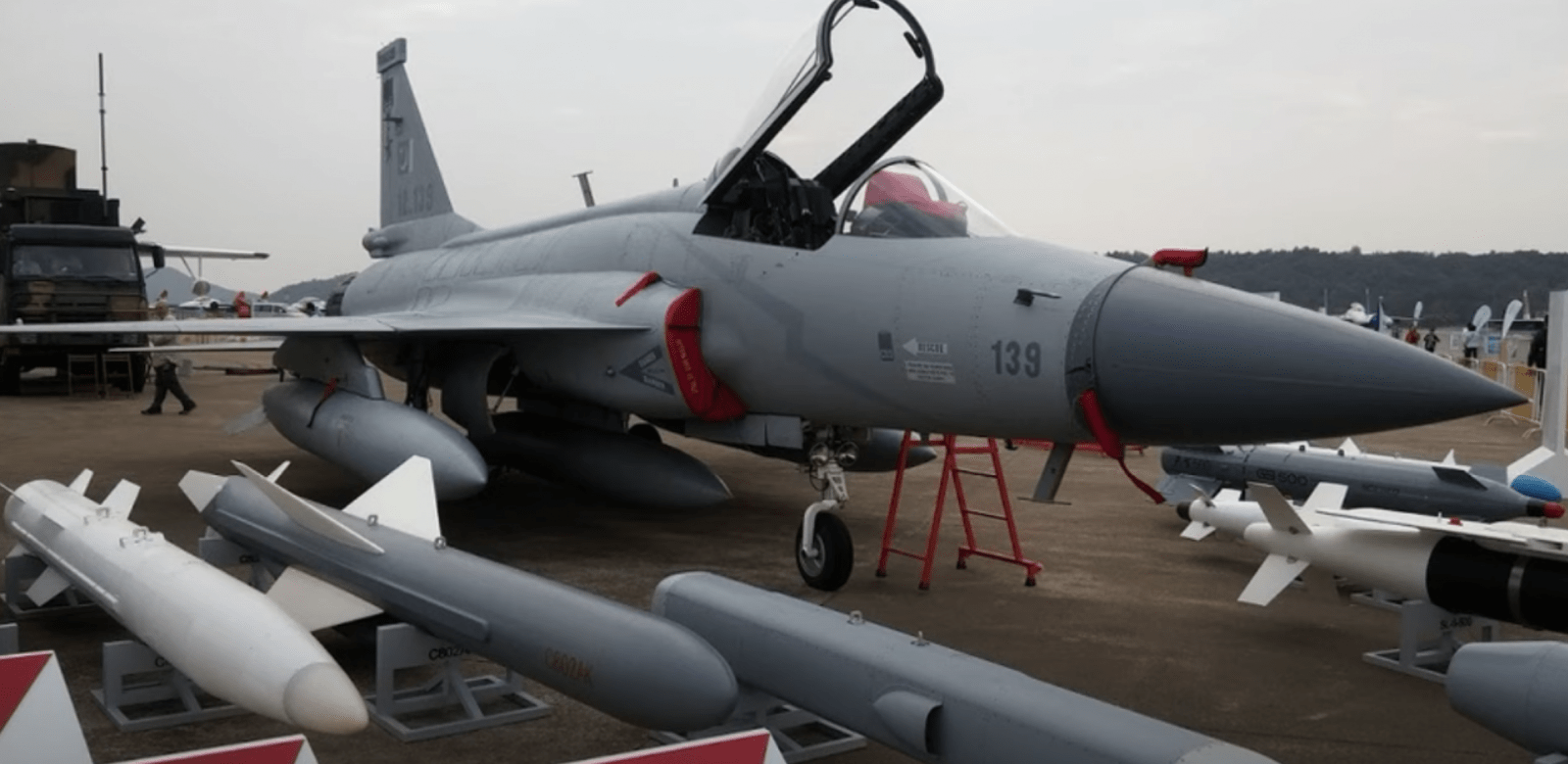
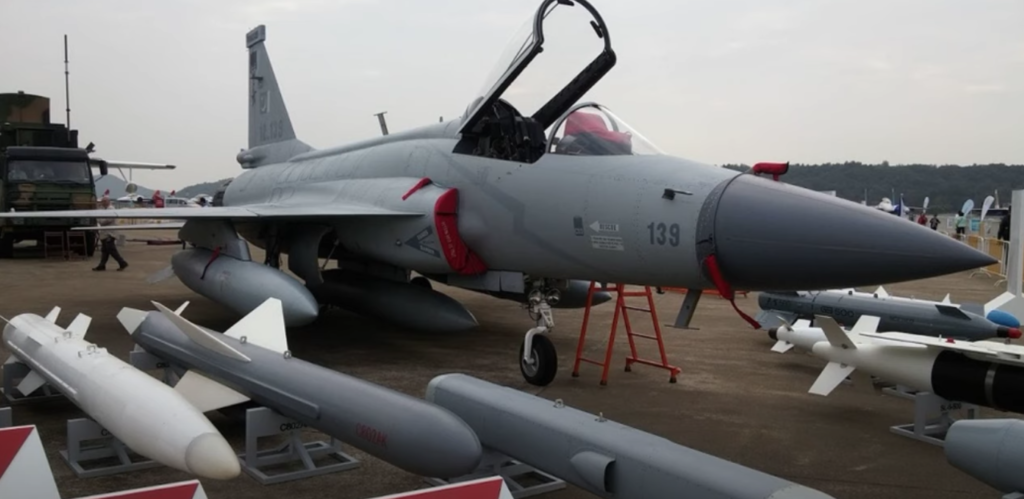
Stand-off capabilities: TheALBM like any other missile can carry both conventional and nuclear warheads. It will enhance the conventional capabilities of Pakistan and give the Pakistan Air Force flexibility against the Indian advantage of their S-400 air defence system. With an ALBM, highly defended strikes on time-sensitive targets like air defence systems and mobile missile launchers can be conducted from stand-off ranges effectively. It can also be used to strike enemy ships. Pakistan has already acquired CM-400AKG from China which is an air launched quasi ballistic missile used as an anti-ship weapon on the JF-17 jet. 

Promptness: ALBM can have many features similar to HCMs or HGVs. The velocity of this missile can give a simple hypersonic strike option; in particular, it is faster than the sub-sonic air-launched cruise missiles (ALCM), Babur and Ra’ad. It can also penetrate the enemy’s defences by limiting the time between its detection and impact on the target. A short reaction time will be complemented by the lack of clarity about the intended mission of the aircraft. It will be difficult for the adversary to determine exactly the kind of weapons the aircraft is carrying and its intended target.

Extended Range: The second benefit of the ALBM would be range. The range of the aircraft will complement the range of the missile. For example, if the range of the missile is 1000km and the range of aircraft is 2000km, then their combined range of 3000km can give more strike options. Highly defended areas can, therefore, be targeted from a safe range.

Mobility: It gives the mobility to strike. An aircraft is a more mobile platform than the ground-based launchers. Due to this mobility, it can put mobile targets at risk. It can even defeat the enemy’s air defence systems, like the S-400 in India, by striking from an undefined angle. The ALBM can also be effective against the Indian Cold Start Doctrine. Pakistan can launch these missiles on invading Indian Integrated Battle Groups and destroy them.

Survivability: The mobility of the aircraft adds to its survivability. An aircraft can be loaded with the missile and dispersed and concealed on multiple bases. The missile can also be detected but interception will be difficult due to its hypersonic speed.

Less Challenging Effort than developing HGVs and HCMs

The development of an ALBM will be less challenging for Pakistan as compared to HGVs or HCMs. It will not require starting work from scratch. Pakistan already has short and medium-range ground-launched ballistic missiles. For example, Ghaznvi has a range of 290 km with an 8-meter length. These can be modified into air-launched missiles. China, for example, is modifying its ground-launched medium-range DF-21 ballistic missiles into CH-AS-X-13 ALBM. Similarly, the Russian Kinzhal missile is a reportedly modified version of the ground-launched short-range Sikander-M ballistic missile. The Israeli Rampage ALBM is a tactical precision missile with a length of 4.7 meters carried by Israeli F-16I aircraft.

Pakistan will, however, have to work on compatibility issues of the missiles with the aircraft such as the weight and length of the missile with the capacity or capability of the aircraft.

Stability-Instability Paradox

The advent of Artificial Intelligence (AI) as a contemporary deterrence strategy in nuclear and non-nuclear technologies is an omnipresent interest to the developing world. The extensive use of AI for military and defence purposes is not a peculiar phenomenon. The AI command-and-control and decision making have been in practice for decades, and its use was highly discernible during the US-Soviet cold war. However, its functionality in military, naval and aerial forces has increased over the years in the Western and Asian countries; the United States, China, Russia, France, and the United Kingdom are developing nuclear-charged ballistic missile submarines and aircraft, and India is powering its military with AI capabilities. Meanwhile, Pakistan’s AI deterrence strategy is primarily vague.

Pakistan is a nuclear-powered state with a sizeable number of conventional military, air, and naval capabilities, but the picture is grim in the context of AI dynamics, which could act as an enabler for strategic instability if it does not make impactful and proactive progress in this domain.

AI can be widely used in non-nuclear military technologies that are prevalent in weapon systems accessible to every developing country. The effectivity of AI depends on its integration into other technologies and systems; hence, it is not a stand-alone technology and can have a measurable impact if integrated into military applications.

Recognizing its potential in enhancing defence architecture, AI is becoming increasingly relevant in intelligence, surveillance, and reconnaissance (ISR) capabilities which if aligned with command-and-control systems are useful in real-time detecting, monitoring, and processing of adversary’s data of unusual activities – unmanned aerial vehicles for patrolling on the borders are already in motion. The data collected through ISR can be analysed in depths that would give a clear image of the adversary’s military aspects. Additionally, AI augments situational awareness, speed, and precision in the defence apparatus.

Accordingly, Pakistan’s foremost adversary, India, has deployed AI capabilities in civilian sectors, and its deployment in military and defence is en route. The ministry of defence has constituted a committee, in February 2018, to execute strategic measures for AI in military apparatus, and later on, a council named Defence Artificial Intelligence Council (DAIC) was established to enhance the adaption of AI in Indian defence structure. India’s rapid inclusion in the AI-centric arsenal is the precedence of china’s increasing modernization in advanced technologies and its growing strategic partnership with Pakistan. India is wary of the fact that two AI-powered nuclear states could pulverize it if it does not incline first towards AI-centric defence strategy. Moreover, it is using AI in ISR and has increased military AI research and development, and nanotechnology that can further enhance the productivity of the defence system and nuclear warhead capabilities, respectively.

India has always been the one to derange the stability of the region by invoking a destabilizing factor, whether it is the establishment of nuclear capabilities (atomic bomb testing) or the most recent Balakot airstrike where Pakistan had to retaliate. Pakistan has been stabilizing the Indian offensive through careful deterrence for decades; for example, it had to carry out the atomic tests to balance the nuclear equilibrium in the region.

However, the fast-growing appetite of India for AI in the military could distort the balance of the region given its longstanding geographical conflict with Pakistan, and the stability-instability paradox would encourage the already growing arms race in South Asia. Therefore, it has two main aspects in a negative context. Firstly, the immature c3ISR and early warning systems have a high possibility of generating false alarms that could escalate the war with the adversary through preemptive or preventive first nuclear strikes. The dependency on machines rather than human intelligence and emotions could risk disastrous decision making. For example, a Russian officer during the cold war named Stanislav Petrov made a decision with his own guts that prevented the nuclear war contrary to the machine’s decision to attack the adversary.

Secondly, the mature c3ISR and detection capabilities can track the location of the adversary’s vehicle and lead to a surprise attack. On the positive side, it has the potential to undermine nuclear risk though clear satellite images of adversary’s whereabouts and actions. Either way, Pakistan is in a clear need to systemize AI in defence apparatus as its third offset strategy to restore the arms-equilibrium in the region.

Pakistan need not deploy AI for offensive tasks but as a deterrence strategy and for security purposes to balance the scales in South Asia with its adversaries. Pakistan is uncompromising and precise concerning the command-and-control systems of nuclear weapons – especially after the 9/11 incident, it has tightened its grip on control more than the command. It has not deployed its nuclear forces or weapons on land, but the recent progress of developing nuclear weapons on the sea will impact the naval arena. Countries are developing underwater ballistic missiles or nuclear submarines with the AI inclusion to expand their naval arsenals; it is essential for Pakistan as well to switch to technology alongside the conventional means to deter its adversaries on a naval front.

Moreover, Pakistan could develop mature AI-centric ISR capabilities for situational awareness in times of crisis or during peacetime; it could deepen the knowledge of the adversary’s actions and locations on the border. For that purpose, it has established the National Command Center (NCC), which comprises an automated system to keep the situational awareness of the adversary’s assets.

Lastly, states are adopting cross-domain deterrence through cyber technology, which is considered as the primary tool of fifth-generation warfare. AI enables cross-domain deterrence through cyber warfare. It can impact the military capabilities of the adversary through cyber-attacks on the military, aerial or naval systems and vehicles. AI, combined with cyber capabilities, can create an illusion to distract or misinform the adversary. India is en route to becoming one of the giants of the technology world, hence it instigates the need for Pakistan to consort AI with the cyber arsenal.

Pakistan does not afford to put too much faith and dependency on AI decision-makers and machines for nuclear command-and-control systems because of its vulnerability, so it is unlikely that the political leadership will leave the final decision in the hands of AI-powered machines instead of human intelligence. Nevertheless, contemporary technology is required for the deterrence stability in the region.

Sustaining the Afghan Army: American Haste Policies in the Endgame

Sustaining the Afghan Army: American Haste Policies in the EndgameComplete collapse or a ray of hope- the future of Afghanistan lies in the hands of the United States: Its economic aid, military assistance and its mode of withdrawal. The Doha Accord signed between US envoy Zalmay Khalilzad and Taliban leader Mullah Abdul Ghani Baradar in the presence of Mike Pompeo, US Secretary of State, continues to stir much commotion in Afghanistan’s socio-political setup. National and international actors are still struggling to keep Afghanistan a secure country militarily as well as economically. However, the question is, will the US again take decisions in haste during Endgame?

The total US cost to raise Afghan Army is $ 90 Billion. It provides around $ 4 Billion to maintain security forces and almost $ 500 million in civilian aid to Afghanistan. Moreover, international donations finance 75% of Afghanistan’s public expenditures per year. Keeping this in view, the Doha Peace Deal was to settle an almost two-year long effort for a war that has lasted for nearly two decades. The presence of the US in all forms, be it military, political or social, has been essential in molding the country and this is the very reason Pompeo’s recent announcement of cutting $1 Billion of the US Aid to Afghanistan on the 23rd of March has left many scratching their heads and rather anxious for the entire region. This action was taken to relay a warning to the Afghan government in order to settle the dispute between both the Presidential candidates, Dr Abdullah and Dr Ashraf Ghani, squabbling for Presidency only to hinder the Reconciliation Process. President Ghani himself is quoted to have emphasized in the past ‘the Afghan security forces (Army as well as police) would not survive for more than six months after the cutting of US aid’, a manifestation of its role in the country.

Forming the backbone of the country through financing various forms of reconstruction, aid to Afghanistan over the past eighteen years by the United States is a total of approximately $137 billion; for economic causes and establishing and sustaining the Afghan National Defense and Security Forces (ANDSF). Initially not clearly stating which area this cut would be directed towards, they recently announced that the cut would directly be applied on Afghan Security Forces. It would be from the $ 4.2 billion Pentagon fund that is allotted to the annual budget for three quarters of the forces. On the other hand, fighting is already taking place in 16 provinces every day. ISIS is not only knocking at the door but has established itself initially. Afghanistan security forces are already overstretched and weary fighting at one end with insurgents and at the other with foreign terrorists. They are in civil war and war simultaneously. Any reduction in their training, equipment, or facilitation will ruin the whole process of  counter terrorism militarily and the Doha Peace Deal politically.

Being the ‘graveyard of empires’, the strategy for Afghanistan has been continuously revised on many occasions due to its increasing intricacies. President Trump in one of his speeches in 2017 specifically highlighted this issue using phrases like the ‘political settlement through effective efforts of the military’, making it evident that the US policy has mostly been military and security-centric. The accelerated efforts on their behalf are a clear indication of the hasty withdrawal the US is trying to execute. An example of this is how the Peace Process was revived in Qatar in 2018: the Trump Administration backed off from its long-standing ‘Afghan-led’ process, resorting to engaging with the Taliban directly.

Under the prevailing political circumstances, the possibility of myopic decision-making can’t be neglected. Examining it under the state-level analysis of foreign policy, it is an apparent win for Trump, especially considering the upcoming elections in November. The withdrawal entails two alternative possibilities – an apt contingency plan for the stability of the region or just another reminiscent of its past endeavors. Last time, when the US won its war against Soviet Union in Afghanistan during 1991, it left this land in haste. Hence, with US short-sightedness, a wonderful victory of winning Cold War was converted into a stupid defeat by the rise of Al-Qaeda and the Taliban. This time, reducing the US military assistance to Afghanistan will be counted in the same para: premature, insane, untimely, and short-sightedness.

Considering how the ethnic clashes perpetuate the tattered social fabric, it is no doubt that they have crept into the Afghan military and an inept dealing can obviously prove detrimental. Lawmaker Abdul Qader Qalatwal emphasized that if the forces don’t receive the needed support it could lead to factions within the army resulting in a more divided Afghanistan. According to a spokesperson for the Defense Ministry, Gen. Mohammad Zahir Azimi, forces have been given a more nationalistic color by having quotas based on ethnicity, with 40-45 percent for Pashtun, 30-35 percent Tajik, 10-12 percent Hazara and 8-10 percent Uzbek and other groups. Despite these measures to curb the tension, the Afghan army is still dominated by minorities from the North (non-Pashtun i.e. percent) who see Taliban as oppressors, majority of whom are Pashtuns.

Given the above statistics, it is highly likely that the forces in minority would be inclined towards backing the currently announced President by the official Independent Election Commission of Afghanistan, Dr Ashraf Ghani. While Dr Abdullah, ethnically a non-Pashtun, has a chance of garnering the support of the non-Pashtun majority in the country’s military. This may result in disintegration of the Afghan Security Forces resulting in further chaos and turbulence between already ethnically fractured and fragile Afghan society.

Needless to say that the lack of Afghan Government’s representation at the signing of the Accord, i.e., the US directly having engaged with the Pashtun Taliban, only fueled to the fire. Non-Pashtuns feel alienated during the whole process. This grudge may clearly be seen in the intransigent attitude of the non-Pashtun representative – Dr Abdullah for not accepting peace-broker’s role of both Zalmay Khalilzad as well as Mike Pompeo for a National Unity Government. The US has and continues to play a key role in the war-torn region and only long-term strategic depth and a well-put withdrawal plan can ensure the peace and prosperity of the region. If it failed to do so, the country, is susceptible to another chapter of turbulence, how the eleven years of civil war followed a poorly-planned withdrawal by the Soviet forces in 1989.

A multi-billion dollars army needs support rather than punishment. The Afghan army is already drained and tired of an unending series of wars taking place at home. Reduction in their budget will result in factions in their rank and files. This may lead to balkanization of Afghanistan at ethnic and sub-ethnic levels, which will hamper the US interests in the region. With the US haste policies, no more to Frankenstein’s effects in this region. American regional strategy and interests still depend on Afghanistan’s government and its security forces.

India’s Democratic Norms & Economy Spiral Downwards

India’s Democratic Norms & Economy Spiral DownwardsFor the last seven decades, India had won acclaim for its democratic norms, its adherence to secularism and its rapidly growing economy. Regrettably, with the installation of a Hindu extremist political dispensation, the Bharatiya Janta Party (BJP) in 2014 and its landslide re-election in 2019, both Indian democracy and its economy have taken a downwards turn. The pandemic COVID-19 and India’s handling of the crisis have acted as a catalyst in contributing to the descending trajectory of both Indian democracy as well as its economy.

The challenges India presents to the adherence to democratic principles have not gone unnoticed by various international and independent watchdogs. Freedom House’s “Freedom in the World 2020 report” downgraded  India because despite being democratically elected, yet it is pursuing a blinkered interpretation of the national interest mainly Hindu extremism. The report takes cognizance of the fact that different ethnic, religious, and other minority groups have borne the brunt of government abuses.

The Indian government has taken its Hindu nationalist agenda to a new level with a succession of policies that abrogate the rights of different segments of its Muslim population, threatening the democratic future of a country, erstwhile recognized for its democratic practices. The BJP has alienated itself from India’s founding fathers’ commitment to pluralism and individual rights, which are the foundations of democracy.

In the same timeframe, US Commission on International Religious Freedom (USCIRF) has recommended India to be designated as the Country of Particular Concern (CPC) for “engaging in and tolerating systematic, ongoing, and egregious religious freedom violations, as defined by the International Religious Freedom Act (IRFA).”

It is no coincidence that EU’s European Parliamentary Research Service (EPRS), in its report PE 651.915–May 2020 titled ‘Challenges facing India’s democracy and economy’ has also highlighted concerns on the same issues as the two major reports mentioned above and numerous other autonomous organizations and analysts. All the neutral observers have noted the cognitive dissonance between India’s Constitution, the pledges of its architects and its current code of conduct. Special mention has been made of the August 5, 2019 repeal of Articles 370 and 35A of the Indian Constitution to strip Kashmir of its special autonomy and illegal annexation of the UN declared disputed region into the Indian Territory, and the extended lockdown in Indian Occupied Kashmir (IoK) as well as the Parliament’s adoption of the Citizenship (Amendment) Act (CAA) in December 2019. Amending the 1955 Citizenship Act, CAA enables migrants/ foreigners from six religious communities (Hindu, Sikh, Buddhist, Jain, Parsi and Christian, but not Muslim) in three neighbouring countries (Afghanistan, Bangladesh and Pakistan), who had come to India fleeing religious persecution before 31 December 2014, to apply for Indian citizenship via a fast-track route. Promulgating the National Register of Citizens (NRC), excluded 1.9 million of northeastern Assam state’s 33 million population. The controversial CAA threatens India’s secular foundations by marginalizing its 200 million Muslim minority population. There have been widespread protests all over India denouncing the draconian measures that have met with violence and a harsh crackdown on the protestors, which included women, children and senior citizens, arousing the angst among defenders of human rights all over the world.

The 2019 World Press Freedom Index has highlighted violence against journalists as one of the most striking characteristics of the current state of press freedom in India.

Besides the heightened communal violence and discrimination against religious minorities, India’s handling of the COVID-19 has earned it censure from the world at large and even the GCC countries. BJP leaders blamed Muslim clerics and the Tablighi Jamaat (missionary group) for spreading the deadly virus. Its headquarters in New Delhi was sealed, its funds were frozen and calls for the arrest of its chief Mullah Saad Kandhalvi on charges of “culpable homicide” and money laundering were rampant. Hashtags such as #CoronaJihad trended for days on Twitter and panellists in TV debates called them “human bombs”, while many called for a ban on the Jamaat. Stung hard by the anti-Muslims tirade, Qatar based international TV channel Aljazeera, in its hard-hitting opinion piece titled ‘Why Arabs are speaking out against Islamophobia in India’ reported that in the past couple of weeks, the Organization of Islamic Cooperation (OIC), the Kuwait government, a royal princess of the United Arab Emirates (UAE), as well as several Arab activists have called out Islamophobic hate speech by Indians seen to be accusing the country’s Muslims of spreading the novel coronavirus.

To make matters worse, millions of Indians who have been without work for weeks are facing hunger as India battles the coronavirus outbreak. The most vulnerable are daily wage earners, contract workers and migrant labourers who have been without work and earnings since the country was shut down on 25 March. The informal sector of daily wage earners, contract workers and migrant labourers form almost 81% of India’s working population. India caused their exodus by shutting down its transportation system, business places and trading centres. It was a human tragedy as the lockdown forced them to walk hundreds of kilometres to their native towns and villages, increasing the risk of spreading the pandemic.

Mismanagement of its once robust economy has caused it to take a deeper plunge because of COVID-19. Both local and international economists have warned of the impending disaster, the Indian economy is headed towards. RK Pattnaik, in his opinion piece titled ‘A fiscal collapse is in the offing for India’ published in The Hindu of May 11, 2020, expresses a grim scenario. The analyst apprises that in a surprise move, the Government of India (GoI) in consultation with the Reserve Bank of India (RBI) has enhanced the magnitude of its gross market borrowing programme to Rs. 12 lakh crore for fiscal 2021, an increase of 54 per cent over the budgeted market borrowings of the same year.

Besides Pattnaik, numerous international financial experts and India watchers like Harrison Schwartz in their opinion pieces are informing that spread of COVID into India has caused the country’s currency and equity market to crash. Efforts to stop the virus’s spread have generally failed and unemployment has skyrocketed to around 27%.

According to Bloomberg, Goldman Sachs sees worst India recession with 45% second-quarter slump Gross Domestic Product will contract by an annualized 45% in the second quarter from the prior three months, compared with Goldman’s previous forecast of a 20% slump. Those estimates imply that real GDP will fall by 5% in the 2021 fiscal year, which would be deeper than any other recession India has ever experienced.

Indian Experts agree that the country is heading towards an economic collapse with contraction ranging from negative 5 to 10 per cent in GDP growth in 2020. Exports record 60 per cent decline in April.

Simultaneously, bone-chilling stories of India’s economic meltdown are rampant. The Indian economy is set to slow down sharply as companies face the prospect of going weeks or even months with virtually no revenue and consumer demand likely to remain soft even after the coronavirus crisis blows over because of bankruptcies, job losses and the resulting psychological scars.

A New Phase of Violence in Afghanistan: Warmongering Hits Peace Efforts

A New Phase of Violence in Afghanistan: Warmongering Hits Peace EffortsDespite the fact that since a long time, different regional and extra-regional luminaries (pacifists) have burnt the midnight oil to bring the Taliban and the US on the negotiating table to end their long-standing enmity and strife, where finally the Taliban parleyed with the US on 29th February 2020 by inking the historic US-Taliban peace deal, but unfortunately, the peace deal seems less productive and less applicable, as post-signing. It has been witnessed that both the Taliban and the Afghan government have opted for offensive hits against each other. Subsequently, this sort of warmongering would be the final nail in the coffin for peace efforts made by global and regional leadership in Afghanistan.

Reportedly, the unknown gunmen opened fire in a maternity hospital located in Kabul, Afghanistan, where initially at least 16 people including new-borns were killed. The fatalities also include mothers and nurses in the attacked hospital. According to the statement of the Interior Ministry, some 15 people were wounded while more than 100 were rescued safe and sound by Afghan security forces. It is also important to mention that the targeted hospital is located in the west of the city, home to the minority Hazara community, where every second day, insurgents from the Islamic State (IS) target the Hazara community to expedite their terror in the region. As per the reports of the New York Times, “A security official coming out of the hospital showed reporters’ pictures of the devastation inside the ward: mothers shot as they had tried to hide under a bed, a female nurse prostrates in blood, one woman still clinging to her new-born. ‘She was dead, but the baby was alive.’”

Also, the Interior Ministry of Afghanistan stated that 24 were killed and 68 others wounded in a suicide blast at a funeral held in the country’s eastern province of Nangarhar. The Ministry added that the terrorists have targeted the funeral of Commander Shaikh Akram, an anti-militant figure in the region. Reportedly, he died of a heart attack where thousands of people were gathered to attend his funeral ceremony. Later on, the IS took the responsibility for that menacing explosion and added that it was the work of the Middle Eastern terror outfit’s regional affiliate, Islamic State of Khorasan Province (ISKP). It is believed that the ISKP targeted the funeral mainly because of the arrest of IS leaders by the Afghan intelligence agency. It is necessary to highlight that a day before that incident, the National Directorate of Security (NDS) announced that it had captured three key Islamic commanders, who were involved in fuelling frightening havocs in South and Far East Asia.

By the same token, a truck packed with explosives blew up near a military court located in the country’s eastern city of Gardez, where at least five were killed and many more were wounded. As usual, the Afghan Taliban took responsibility for that menacing act. Tariq Arian, an interior ministry spokesman, stated that “a truck bomb explosion took place near a military court in Gardez city, which is a populated area. Dozens of civilians are feared to be dead and wounded.” Moreover, he blamed the Haqqani Network for these barbarian acts, which according to him, has good ties with the Taliban. These consecutive menacing and untoward occurrences have attracted the attention of the global and local leadership in the region.

In light of these barbaric acts of terrors in Afghanistan, the Afghan President Ashraf Ghani has ordered the military to move for offensive operations instead of the defensive or stationary mode. Also, he stated that “I am ordering Afghan security forces to switch from an active defence mode to an offensive one and to start their operations against the Taliban and other armed groups after dozens of people, including new-born babies, were killed in two separate attacks in the war-ravaged nation.” Additionally, he put light on the matter that offensive operations are needed to defend the country, safeguard our territorial integrity and sovereignty, and to counter all threats and attacks by the Taliban and other armed groups. Above all, these sorts of incidents have expedited the level of friction between the Afghan government and the Taliban, where the Taliban have issued their counter-arguments after the offensive decree issued by the Afghan President.

Interestingly, after a considerable pause, the Taliban has denied the involvement in the Kabul and Nangarhar attacks, while on the other hand, the Kabul government blamed the group for having hand in it. The Taliban said that Ghani wants to maintain his authority by prolonging the war. Furthermore, the armed group added that if the Afghan security forces increase the attacks against them, then for sure they would retaliate in the same magnitude. The group says they would continue the offensive attacks against any move by the Afghan government, consequently, the responsibility of dire repercussions would be on the Afghan government. Oppositely, the National Directorate of Security (NDS) has issued a statement regarding the Taliban’s violation of the peace efforts, made in the earlier months of this year and stated that “Taliban has conducted 3,712 attacks between Feb. 29 to May 11, killing 469 civilians and wounding 948 others. Afghan forces conducted 1,593 defensive operations against the Taliban during this period in which 2,134 Taliban fighters were killed, 1,691 wounded and 173 others were arrested.”

In the wake of these inhumane and barbaric occurrences which led to several deaths and casualties, the US has asked both the government of Kabul and the Taliban to cooperate and bring the perpetrators to justice. In this regard, the US Secretary of State Mike Pompeo argued that “as long as there is no sustained reduction in violence and insufficient progress toward a negotiated political settlement, Afghanistan will remain vulnerable to terrorism.” In the wake of emerging violence in Afghanistan, Pakistan strongly condemned the inhuman and cowardly terrorist attacks on the maternity ward in Kabul and a suicide blast on a funeral ceremony in Nangarhar, Afghanistan. Pakistan’s Foreign Office Spokesperson said in a statement that, “These terrorist acts were particularly despicable as they take place in the holy month of Ramadan and at a time when Afghanistan is grappling with COVID-19 pandemic. Pakistan condemns terrorism in all its forms and manifestations and will continue to support a peaceful and stable Afghanistan.

It took almost 19 years to bring all the opposing parties on the negotiating table, particularly the US and the Taliban. Under a quid pro quo, both the US and the Taliban have inked the peace deal to put a full stop to their long-lasting antagonism which has devastated the very conducive environment of Afghanistan. Although, the peace deal sparked the hope for peace and stability in the region, on the other hand, one may say for sure that it seems less efficient and less supportive to reduce at least the intensity of brutality in Afghanistan. As mentioned earlier, the Taliban and other armed groups’ offensive blows against the Afghan forces, have dimmed the peace efforts, hence escalated the tension and friction between the Taliban and the Afghan government. It is believed that some internal and external spoilers are eager enough to sabotage the peace attempts and gain their vested economic and strategic goals from the soil of Afghanistan. In this regard, India’s physical engagement (militarily and strategically) on the soil of Afghanistan, is not a welcoming gesture for the conducive environment of Afghanistan. Until and unless India doesn’t get their vested economic and strategic goals from that particular region, she would be looking supportive to meddle in the internal affairs of Afghanistan, hence there would be more likely for escalation of political and security turmoil. All concerned parties should keep an open eye on all regional and extra-regional spoilers to guarantee a conducive political environment for war-ravaged Afghans.

IOK Amid COVID-19: An Aggravated Humanitarian Crisis

The COVID-19 pandemic has aggravated the already brewing humanitarian crisis in Indian occupied Jammu and Kashmir (IOJ&K). People of Indian occupied Kashmir are already facing the brunt of the extended lockdown and imposed curfew, sanctioned with the draconian Armed Forces Special Powers Act (AFSPA) by the Modi regime. Since August 5, 2019, communication blockade, information blackout and movement restriction as part of curfew, has turned Kashmir into a large jail. Students’ educational careers are damaged due to the lockdown of schools, colleges and universities in the region.

Kashmiris have suffered huge economic losses in businesses because of crippled economic activity in the region. More than one million people have lost their jobs while many have lost their homes. Tens of thousands of Kashmiris, who were working in IT sector, have also lost jobs due to internet suspension in the valley. Proper healthcare facilities have not been provided to Kashmiri people in the time of acute pandemic, and a large number of Kashmiris have turned into mental health patients after suffering from prolonged unbridled violence of Indian occupation forces.

According to Kashmiri media service reports, since 1989, a total of 95,454 Kashmiris have died in this freedom movement, including 7,134 custodian killings. The number of civilians arrested during this era is more than 100,000. 22,910 women have been widowed while more than 1 lakh children have become orphans due to Indian killings. This scenario has disappointed Kashmiris who are facing perpetual suffering at the hand of Indian occupation forces and given rise to a home-grown resistance movement of Kashmiri youth militia (freedom fighters). Increasing India –Pakistan hostilities amid pandemic across the Line of Control in the Kashmir region can create another military crisis with adverse consequences for regional and global peace. Modi’s regime is creating a military crisis in South Asia for its political objective of promoting Hindutva politics at home.

Modi’s government has changed the legal status quo on the Kashmir issue under the deep currents of Hindutva politics. RSS, the current ruling political party of India, is leading this Hindutva project. Hindutva is a political ideology which aims to secure the political objectives of establishing a Hindu state and securing communal rights of the Hindu community at the cost of other communities and religious groups living inside India. BJP and Modi are using it for their narrow political objective of getting regime stability by moulding domestic opinion in their favour in the veneer of Hindu reformation and revivalist movement. The Modi regime is changing the political culture of India by changing its political charter through the Safronization of Indian youth against Muslims in India, Pakistan and Kashmir.

India decided to unilaterally change the special constitutional status of IOJ&K by abrogating Article 370 of the constitution in August 2019. Anticipating resistance to this change of status of Indian occupied Kashmir, India deployed ten thousand additional troops along with around one million stationed troops to uphold curfew in IOJ&K under the veneer of the AFSPA. The international community has limited itself to expressing reservations on the evolving humanitarian crisis which resulted due to Indian curfew in Kashmir. USA, UN and OIC counters have not played a responsible role due to India’s economic leverage over them.

India is justifying its military occupation in Kashmir by creating a military crisis on the Line of Control (LoC), an operational border, between Pakistan and India. Because any military crisis with Pakistan over Kashmir will provide justification to the Modi government for incurring violent crackdown on common Kashmiris who are already in the perpetual state of suffering due to prolonged curfew in the region. Pakistan needs to de-escalate the conflict instead of escalating the security situation on the Kashmir issue. Since 2014, India has not revised its commitment for adherence to the Line of Control ceasefire violation agreement after the compilation of the first ten-year phase of this agreement in 2013. The Modi government has deliberately avoided adherence to this conflict reduction agreement in order to bolster its political objective of promoting animosity against Pakistan for domestic political purposes.

Since 2014, India has increased skirmishes on the Line of Control in order to coerce Pakistan and create compliance in its behaviour to withdraw its political and legal support from the Kashmir cause at international forums and in the international media. Indian military actions in Kashmir and aggression across the Line of Control can create another military crisis in South Asia under its escalation ladder dominance strategy which they created in the aftermath of Pulwama in 2019. The surgical strike stratagem of India failed to achieve its political objective yet it created a false sense of military superiority obsession in India.  India has learned no lessons from the failure of their “escalation ladder dominance strategy” during the Pulwama-Balakot military crisis of 2019. Modi’s adventure can put regional peace in South Asia into jeopardy.

Pakistan cannot withdraw its political and legal support from the Kashmir cause. The dilemma with the international community’s concern and support on Kashmir is that they raise concerns on human rights violations in IOJK but they do not support Kashmir freedom movement as a justified movement demanding the right to self-determination under UNSC resolutions. Pakistan needs to project Kashmir as a humanitarian crisis in order to expose the Indian narrative on Kashmir. Pakistan needs to adopt a thematic approach to diplomacy on the Kashmir cause by promoting it as a prevailing humanitarian crisis instead of limiting diplomatic response to a reactive case-specific approach regarding Kashmir.

When India Tested a Nuclear Device on Its Citizens

On May 18, 1974, India claimed that it had successfully tested a nuclear device, codenamed “Smiling Buddha” and became the sixth nation to have exploded a fission device. The test was conducted exactly four years after the Nuclear Non-Proliferation Treaty (NPT) had entered into force and most countries were in oblivion that the world would never see a sixth nuclear weapons state. This Indian act was a disrespectful shock for the post-NPT nuclear order because the world’s great powers thought that the issue of nuclear proliferation has been settled, once for all. But New Delhi defied that nuclear order and tested its first nuclear device by testing an eight-kiloton device in the Jaisalmer desert, 5 km from Loharki village. Since then, the villagers have frequently reported that they have experienced radiation-related diseases.

The villagers living in the vicinity of the explosion site had been identified as ‘martyrs’, as all destruction, particularly human health, was considered to be collateral damage for the greater good. Forty-six years after the first nuclear test, the villages around the Pokhran test range have long been out of the spotlight in the international arena. However, due to unusually high rates of cancer and genetic diseases, these villagers formed a dramatic community of people who struggle everyday with the risk of exposure to radiation. The government has done little to remove apprehensions of the villagers for almost half a century.

Scientists believe groundwater could still be contaminated in Loharki and many other villages. The associate professor at the Hiroshima Peace Institute, Robert Jacobs, who has been studying several nuclear testing sites, said that it was seriously concerning that the alpha-emitting particulate matter was common in areas around every nuclear test site of India. A classified US-leaked document of 22 May 1974 also stated that the Pokhran nuclear test had contaminated the desert area’s groundwater. The document was sent by Daniel Patrick Moynihan to Washington DC in which he said: “Depending on the cratering and earth splitting effects of the blast, the ground water in the immediate vicinity of the blast site as well as the sweet water reservoirs could very well be contaminated.”

India conducted its second round of nuclear tests in 1998 under the code name “Operation Shakti”. The site for an underground explosion was located only 3 km away from Khetolai, a village of approximately 5000 inhabitants in the locality of the city of Pokhran.  In Khetolai, cancer death has become prevalent; it is difficult to ignore the correlation to nuclear tests. Last general elections were a nightmare for residents of Khetolai. In his election campaign, PM Modi said that India is not scared of the nuclear weapons of Pakistan and he asked, “have we kept our nuclear bomb for Diwali?” The resident of Khetolai, Zajmal Ram Bishnoi – who has some idea about fallout of a nuclear explosion – responded, “We want to live in peace. We don’t need war. If nuclear weapons are used, everything that is in front of our eyes will disappear.”

In western Rajasthan, the high occurrence of leukaemia prompted physicians to support studies that determined whether the Pokhran nuclear test in 1974 was responsible in any way. Comprehensive research in the field of malignancy undertaken by R G Sharma and his collaborators at Dr S N Medical College in Jodhpur, the results of which were released in September 1992 in the Indian Journal of Cancer. Following the first 1974 test, Sharma and his partners identified 2,662 new cancer cases. In a 2012 “GLOBOCAN” World Health Organization’s (WHO) survey, five lakh deaths due to cancer have been recorded. One in 2,500 citizens, according to a preliminary estimate, dies from cancer.  In Khetolai, the same estimate shows a quadruple increase with respect to the national level: one in 500 individuals succumbs to cancer. In other figures, the Department of Atomic Energy found that 70% of the health-related deaths linked to atomic energy hubs have been triggered by cancer over the past 20 years. However, no further research was carried out notwithstanding these alarming findings.

Billions in India face the awful possibility of surviving under the influence of unchecked nuclear ambitions. The nuclear establishment’s confidentiality and ignorance have failed to reveal proper security information related to current and future nuclear-related projects. India plans to source a quarter of its energy from nuclear power by 2050. The policy pundits have formulated this random growth in nuclear sector when hundreds of thousands of Indian men and women have participated in protested against the expanding nuclear industry. These remonstrations have been a steady feature in Koodankulam, Jaitapur and Gorakhpur. At least five protestors have lost their lives since 2010 in their struggle against the country’s unverified nuclear expansion. Meanwhile, radioactive waste from uranium mining in the country’s east is reportedly affecting adjacent communities. Thousands of Indians suffer from the effects of uranium mining as related to poor technical and management practices.

Unfortunately, on a number of occasions, India treated its citizens as lab rats. The people of India should brace themselves for another nuclear misadventure because Indian scientists are asserting the government to evade signing the Comprehensive Nuclear-Test-Ban Treaty (CTBT). After all, the thermonuclear test of 1998 was a failure, as the yield of the fusion device never produced the desired results. The Defence Research and Development Organisation (DRDO) has already given green signal to the government to conduct more nuke tests. India under the leadership of PM Modi is fully capable of committing radioactive folly. The Hindu leadership under extremist ideology of BJP will again happily take advantage of the ignorance of the Indian population on nuclear issues under the guise of greater national interests.

Changing the Discourse on Escalation Patterns in South Asia (Part 1)

The South Asian region might have oscillated in its importance for the powers that be, but it has never been off the radar in the academic and policy circles of major capitals. Needless to say, the presence of nuclear weapons on the Subcontinent has been a source of intense academic disquisition, as academicians toy with Cold War models and assess their applicability to dynamics in the South Asian theatre.

A lot of quality work has been produced on crises in South Asia since the Kargil conflict of 1999. Crises continue to be analyzed with respect to their escalatory propensities, the role that nuclear weapons and deterrence play in it, and third-party mediation. All analyses rightly point to linkages between the three levels of war along the conflict spectrum. However, the conclusions and pathways are predictable, and so are the patterns. The academic presentation of crises inside the beltway is one that shows Pakistan as the instigator of a crisis. In other words, according to the body of literature, crisis-triggers are in the hands of Pakistan, and India is but a responder. Risks notwithstanding, the escalation ladder follows a linear and choreographed sequence, as if the analyses were written in a South Asian edition of Herman Kahn’s Chef D’oeuvre. Rung-climbing scenarios are rigorously war-gamed to provide more cogency to the understanding of what many call ‘nuclear-tinged crises’. Thus, there is a stasis in the literature and on South Asian crisis dynamics.

While there has been academic acknowledgement of sorts on the crisis behavior and posturing of India, the triggers continue to be ascribed to Pakistan. This is something that calls for revisionism if the study of escalation dynamics has to be enriched, both in terms of theory and policy. But why does the pretext for escalation need to be corrected and fully understood? The answer is a simple one: the stakes and value attached to something that is deemed a trigger are important determinants of crisis behaviors. What happens in a crisis then will depend on where and how the trigger event takes place.

Let’s add, for a change, a new trigger event: India’s forays into Azad Kashmir. Before delving into it further, it is important to clarify that this is not being added to tweak simulation exercises. Its addition to our discourse is not only imperative but also ineluctable. Threats to take Azad Kashmir and even Gilgit Baltistan have been dished out incessantly by Indian political and military leaders. As a matter of fact, statements calling for the ‘reintegration’ of Azad Kashmir and Gilgit Baltistan with India are being heard far more frequently now than ever before.


What does this end-state signify? That a nuclear-armed state wants to evict another nuclear-armed state from a territory, is a sign that one of the states is seeking a military victory against the other in a nuclear environment. This in turn implies that India is looking to escape what Robert Jervis called “The Nuclear Revolution “. It must be noted that nuclear weapons have outlawed military victory, or more importantly, reduced the difference between the post-war conditions of the victor and the vanquished. Thus, Indian efforts to wrest back territory would be all but reckless, and will have precarious consequences for the entire region. With jingoism and warmongering seen as planks of the Indian political expression, such tactical and strategic follies cannot be ruled out.


Such a trigger-event would be right out of the pre-nuclear playbook. It will also be bereft of the pretenses that India is a status quo power that does not want territorial changes  That would then exert a different set of pressures on Pakistan. Quite certainly, the retaliation could also be from the pre-1998 toolkit. Taken together, both will spell trouble in a nuclearized environment. Crises would then be supplanted by wars, and attempts at crisis management be replaced by those aimed at  war termination. The models and routes of escalation decoded in academic circles will not work, and hence, adjustments will be needed.


While the second part of this series will deliberate on the implications of India’s hypothetical incursions in Azad Kashmir, it is worth mentioning here that eventually including this in the mix will help engender a more holistic appraisal on escalation in the region. The new cause of crisis will also change how both countries will look towards nuclear weapons and the conditions that will govern their use. A scholarly discussion on an India-induced escalation will also help answer questions on the future of deterrence and deterrence stability in the Subcontinent. While strategic fraternities around the world have long worked on crises and sub-conventional intrusions under a nuclear overhang, adding a conventional incendiary event to our debates on escalation will help better dissect the deterrence and escalation control value of nuclear weapons.

To conclude, escalation dynamics in the volatile South Asian region cannot be understood in totality, without looking at changing milieus and the ever-increasing basket of escalation-triggers. Indian bellicosity and unremitting threats do have the potential to precipitate events that were witnessed in the pre-nuclear era in a nuclearized region. How military compellence will affect nuclear deterrence and deterrents will be one of the most important questions to answer for all South Asia watchers. Indeed, if alleged acts of terrorism attributed to Pakistan can be considered the starting points of escalation, then the strategic community would certainly be remiss if it does not take into account brazen Indian threats of changing the status quo through kinetic means.