US-China COVID(RY) and the Samson Option!

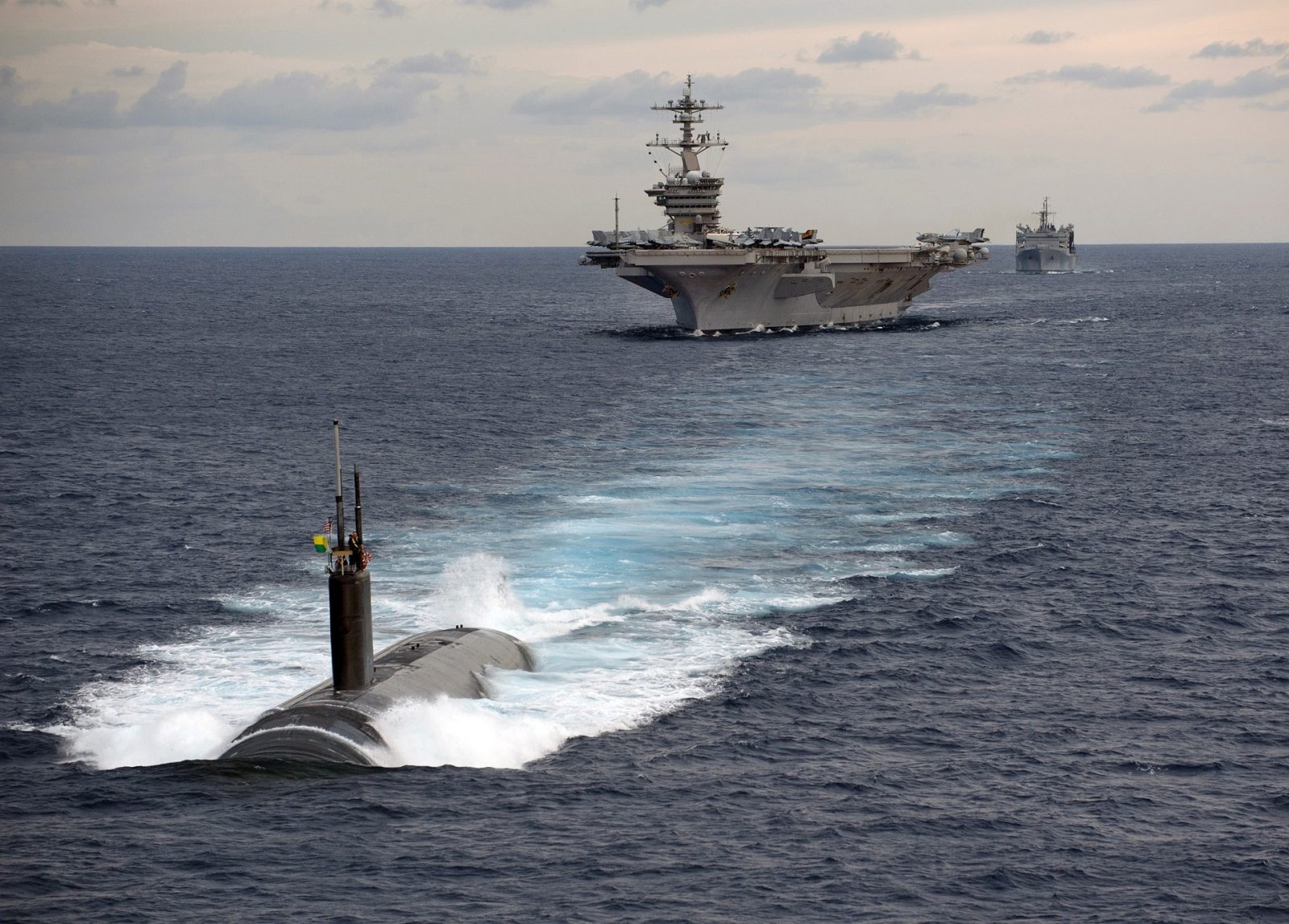
The US-China ‘COVID(RY)’ is fuelling a new Cold War as the two global powers are embroiled in an ongoing battle of narratives blaming each other for the current pandemic, while simultaneously reaching out to the rest of the international community to assert their leadership credentials in the post-pandemic global (dis)order. China’s earlier than expected rise as a potential global leader, mainly due to the US own leadership failure may have brought renewed urgency to the China containment policy. The US may seek to build a new ‘coalition of willing’ by producing another ‘dodgy’ dossier blaming China for the pandemic, as it did for the 2003 Iraq war, forcing countries the option of ‘with us or against us.’ China, nevertheless, is not Iraq, and the US is no more the undisputed global power of the post US-USSR Cold War era.

Blaming China to Win Elections.     China is an old villain and figures prominently in the US national security calculus, and probably the only issue that unites a polarized Washington. President Trump, who was hoping to win the next elections owing to steady economic growth, is now facing the worst economic recession of the history that is likely to overshadow the next US elections. Blaming China for the pandemic and a promise of compensation from the Chinese money seems to be the only plausible strategy that the Republicans are hoping could help them win the next elections.

After initially praising China, President Trump, therefore, is now claiming that he has “high degree of confidence” that the virus came from Wuhan, and has indicated that if the intelligence agencies could come up with credible evidence, he might sue China and seek $ US 10 million for each American death. According to some reports, the US Administration also debated the option of cancelling US $ 1.1 trillion debt that the US government owes to China – “to offset the cost of the coronavirus outbreak.” The use of this ‘nuclear option’ may hurt the US more than any other country, but the very fact that the option was discussed could force China to contemplate the use of its own ‘Samson Option’ by dumping its holdings of the US Treasuries that may lead to a “global financial catastrophe.”

China has reacted sharply to these accusations. Its new breed of “Wolf Warrior” diplomats are aggressively defending their national position and have accused the US Administration of ‘telling lies’, to divert public attention from their own failures. Simultaneously, China also reached out to several seriously affected countries offering them assistance and equipment as part of its health diplomacy, and to create goodwill.

A New ‘Coalition of the Willing.’       The ‘blame-China’ policy has some similarities (in terms of optics) with the infamous ‘WMD dossier’ of 2003 against Iraq, which was prepared by the US-UK intelligence community but was essentially based on a student thesis. The dossier was subsequently shared at the UN Security Council meeting by the US Secretary of State Collin Powel to build a case for the invasion of Iraq by accusing it of developing weapons of mass destruction.  Countries like, Marshall Islands, Micronesia and a few others that even did not have the standing armies but were included in the ‘coalition of willing’ to provide legitimacy to the US-led invasion.

The recent statements from President Trump and other Administration officials indicate that there could be a possibility of a similar effort by the intelligence community. A dossier blaming China could be used to deflect domestic anger, and to build an international coalition of the like-minded countries; like Australia, France, UK, Japan, India and few others, who might jump on the opportunity to get their loans waived and would be willing to help neutralize China’s overwhelming global economic clout.

South Asia as the New Epicentre.    The US Indo-Pacific strategy that allowed India to stake its claim as a partner, also afforded it an opportunity to build its image of a credible rival to China, and a potential global power. The US and other western countries are helping India to build its conventional and nuclear capabilities for their own interests, but these capabilities also affect Pakistan’s security calculus, due to a long history of disputes that have led to several wars and crises between the two regional nuclear powers.

In contrast to India-US efforts of containing China, Pakistan is spearheading China’s Belt and Road Initiative (BRI) and implementing its flagship project – China-Pakistan Economic Corridor (CPEC), which provides a strategic opening to China to the rest of the world. These two divergent objectives spearheaded by India and Pakistan to support of their own interests and of their strategic partners have added further friction between the two countries neighbours. If confronted with a choice of ‘with us or against us’, Pakistan and India may find themselves as the two ‘frontline states’, fighting their own battles and also on behalf of their allies, thus further complicating the regional security matrix.

Conclusion.     The COVID-19 crisis has severely dented the US image of a reliable global partner, incapable of dealing on its own besides failing to assist the allies in despair. China, on the other hand, has emerged a more confident country that can not only deal with the future crisis on its own but also assist other countries under duress. The lessons from the current crisis are likely to influence the post COVID world order and could re-shape the future alliances.

Both China and the US, however, cannot afford to engage in a direct military confrontation or exercise the ‘nuclear options’ with the US opting to unilaterally cancel the US $ 1.1 trillion of debt, or China dumping the US Treasuries. It would only lead to a ‘mutually assured destruction.’ Nevertheless, the threat of punitive measures by the US could offer a useful distraction to divert domestic anger away from Trump’s own failures, and also to extract a favourable trade deal from China and present it as a major achievement before the next US elections. President Trump’s recent tweet that “100 Trade Deals wouldn’t make up the difference – and all those innocent lives lost!” – is therefore a ruse to get a better bargain, but will China cede to this trickery?

The Likely Collapse of the Global Economy

The novel virus, COVID-19, has stretched itself to the length and breadth of the world leaving not even a single facet of life unaffected. The Chinese province, Wuhan, was the initial stage decorated for the devastative performance of the savage virus which had set itself forth with a firm determination to shake everything coming in its way to the core. The havoc giant made its way to other parts of the world after wandering in the empty streets of Wuhan for approximately two months. Henceforth, the epicentre for the deadly virus has now shifted to the West. Nonetheless, the landscape does not seem to have the same picture as it had ever before being ground down by the famine of the novel virus. The tally of the total confirmed cases surges to almost 4.17 million throughout the world. Apart from the said figure, the pandemic has caused nearly 285,000 deaths. Adding to this, it has not spared the global economy which is almost on the verge of collapse. The recent pandemic has disrupted the global supply chains, global financial market, commerce, tourism, etc. Therefore, COVID-19, which is turning out to be more than a passing horror, has left the world’s economy at the brink of collapse.

The novel virus started off its power play in the field of economy by jolting the global financial market. The managing director of the International Monetary Fund has termed the recent recession more fatal than previous ones. The S&P 500 index is reported to have fallen by 40% in the first two months of the ongoing year against its decline by 49% and 60% in 2000 and 2007-9 respectively. Likewise, the Organisation for Economic Cooperation and Development perceives the possible downturn in global GDP by 2.4% from 2.9%. Moreover, the slowdown in global trade by 13% to 33% has also secured its place in the official document of world economy. Similarly, the Foreign Direct Investment has not been spared either (UN).

The coronavirus left China with an irreparable damage a few days ago. China is said to have been badly affected by the deadly virus. The predicted growth of China is reported to be likely falling by 3.5% in the first quarter of the ongoing year. Moreover, the pandemic has disrupted global supply chains amid the lockdown. Most factories have been closed and transportation has ceased its operation. Moreover, the lockdown has banished people to their abodes. As a result, automobile sales are reported to have sunk to a record 80%. Its exports are reported to have shrunk by 17.2% in January and February. Most carmakers, like Nissan and Hyundai, have stopped their business on account of the shortage in supply of parts. The country’s GDP growth is likely to fall by 20% in the first two months.

Likewise, the deadly pandemic has wrestled with the economy of USA. The S&P 500 Index is reported to have dropped by more than 13% on April 9. The same index was reported to have shrunk by nearly 40% during the first two months of the ongoing year against its downturn by 60% in 2007-9 and 49% during post- 9/11 tragic episode. Small US firms are reported to have been badly hit by the pandemic. The closure of small firms has left many with empty checks in their hands. The coronavirus has compelled approximately 16 million people to say goodbye to their jobs in a short spin of three months, as reported by US Department for Labour Data on April 9, 2020.

If the novel virus can bring the powerful giants upon their knees, then it is not something odd that the third world countries could easily be more vulnerable to any oddity. Pakistan is being taken as a case study to gauge the strength of the powerful arms of the deadly pandemic. Pakistan, already doing away with its ramshackle economic milieu, cannot put itself into a safe zone to avoid the severity of the tempest blown by the novel virus. Pakistan is reported to be disowning nearly Rs.1.3 trillion on account of the severest economic blow of the ongoing pandemic. Adding to the said amount, a huge shrink in its tax collection cannot be far away to come across which might be, as per the report of FBR, about Rs. 380 billion. The pandemic is being perceived to be wrestling with the exports of Pakistan, thus, its exports may lose nearly Rs. 4 billion, which would usher the augmentation in its trade deficit. The import sector cannot claim to be in a safe zone from the devastation of COVID-19. The import of Pakistan may shrink by virtue of the drawdown in POL prices. Pakistan has also been ground down in the form of lockdown which has shut down industries, the daily wagers which may be detrimental to the overall economy and social security of the country. Moreover, EU, Middle East, Japan and other major world economies are being hit by the disruption in the global supply chains. They are facing a bulk of problems: human loss, closure of factories, industries, and unemployment among others. In addition, COVID-19 is likely to bring about a major shift in the international trade order which will possibly hit China and India the hardest. Both China and India are major suppliers of components and services to the international market.

The ever worst pandemic episode has compelled tens of thousands of employees to lose their jobs. COVID-19 ushered in a worldwide lockdown, excepting a few countries, thereby compelling workplaces to bolt their doors. The disruption in the global supply chain is another reason behind the closed doors of the industries, firms and factories, etc. Thus, the workers have been left with no choice but to stay jobless. USA is reported to have documented more than 16 million people who have lost their jobs in just a few weeks, followed by Spain, with the toll of its unemployment which has already surged to almost 3.5 million.

The damage done to airlines is estimated to be somewhere between $63 billion and $113 billion (IATA)caused by the lockdown and restriction on travel. Another sector which seems to be hit badly is the tourism industry. Japan is likely to lose $1.29 billion in its tourism sector followed by Thailand with a total loss of about $1.15 billion. Similarly, the industries of construction and agriculture are also undergoing the burden of COVID-19. Moreover, the pharmaceutical industry is sailing in the same boat of shortage in products as India is undergoing a strict lockdown.

The world’s countries are required to join hands so as to eliminate the deadly virus. Collective efforts are what can take the steam out of the virus. There is a dire need of joint efforts on the part of G-2, G-7 and G-20. Similarly, easing monetary policies and putting expansionary policies into force are the needs of the hour. The expansionary policies would edge the productions and employment, thereby getting back on track to normality.

The most important sector laid bare by the pandemic is the health sector. The world is badly required to invest in equipping the health sector with modern medical and other technological apparatus so as to be able to do away with health-related issues in time effectively. Moreover, the deep-rooted and deep-seated global economic imbalance should be addressed. Countries should encourage sustainable growth. Henceforth, a vicious downward cycle in the global economy is not too far to be witnessed if we fail in kicking off joint efforts, because the recent economic recession is predicted to be a V-shape recession which ushers to an early recovery in lieu of the U-shape and L-shape economic recessions which take, comparatively, a longer period of time to get themselves back on a track to normality.

To squeeze the discussion in a bottle, COVID-19 has embarked itself on its journey of devastation in every facet of life coming in its way. It has and is causing damages of multifarious nature. COVID-19 could easily be said to have spared not even a single entity, especially that of the economy. The economic cost of the ongoing pandemic would reach to the pinnacle where it would pose itself to be irreparable, if the world fails in taking joint steps and applying timely response to the devastative COVID-19.

Tracing Hindu-Muslim conflict

Tracing Hindu-Muslim conflict

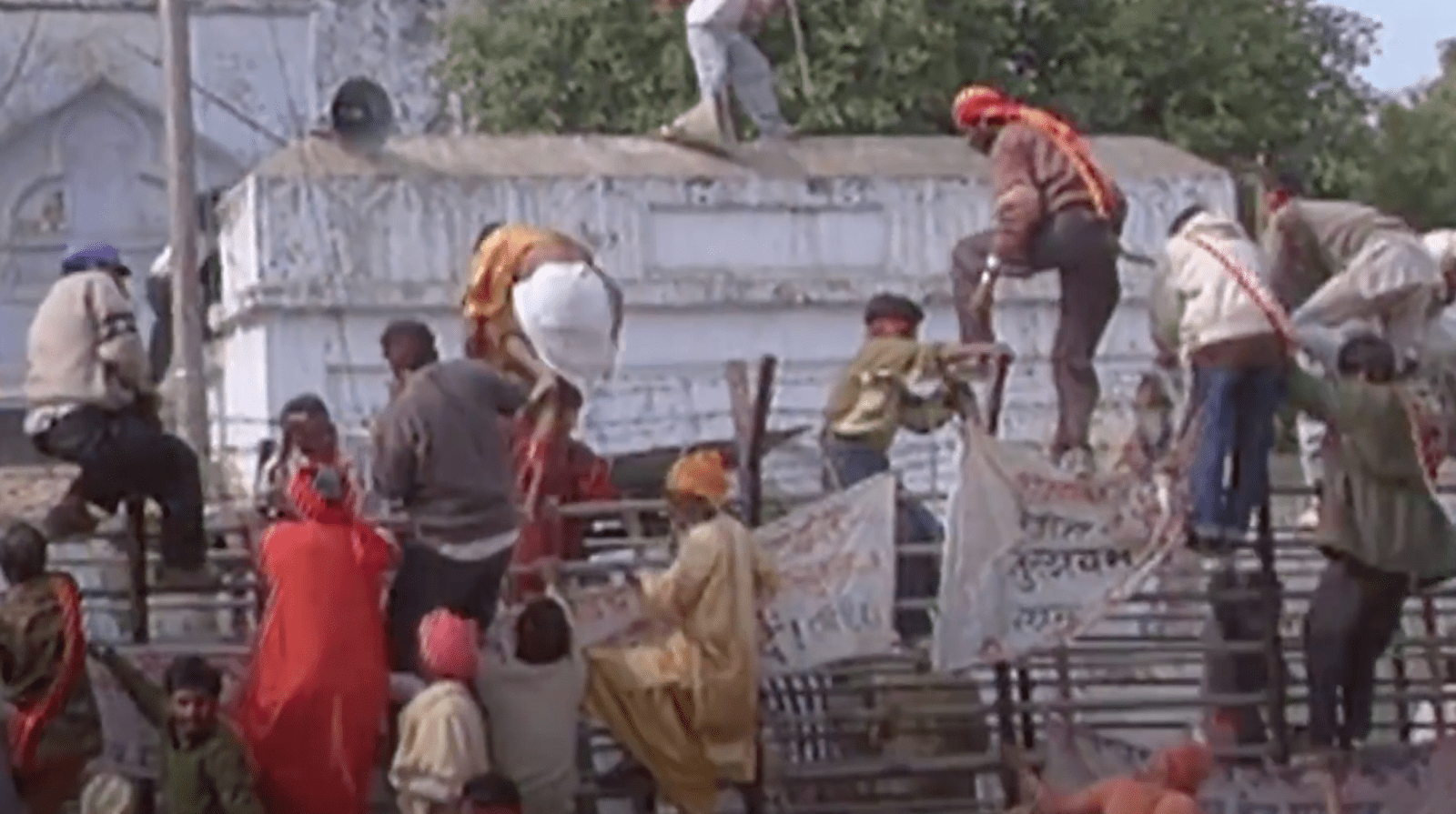
Hindu-Muslim conflict in Indian society is very deep rooted. It is mainly guided by the religious fanatics of both sides. Gaznavi (the first independent ruler of the Turkic dynasty of Ghaznavids) and his attack on Somnaat temple in India, during the 11th century, and the Hindutva attack on Babri Mosque in 1990s are clear evidence to the origin of violence.

It is noted by historians that before the arrival of Britain in India, both communities lived peacefully to some extent, although communal riots existed during that time as well. However, the East India Company (EIC) played political and religious cards to divide them to meet its own political and economic interests. The company mobilized the clergy and feudal lords of subcontinent to achieve their own objectives.

Hindus had always considered Muslims to have a lower status because of their religion. Whereas the same has been reported by Muslim scholar Al-Beruni in his book Kitab al Hindh back in the 11th century. Therefore, one cannot separate the role of religion as a basis of long-standing conflict between Hindus and Muslims.

We may argue that Jinnah, the founding father of Pakistan, and his contemporaries used the same religious card for political gains in the subcontinent. It is true that they used it, because politics and religion cannot be separated from each other. It is a dichotomy, and it exists in almost every nation. For example, Jews still use religion as a basis for their separate homeland on the world map, particularly in Palestine. In a similar way, Sikhs want Khalistan in India, where they can peacefully practice their religion. Thus, the two-nation theory is the basis of most of the successful as well as unsuccessful freedom movements of nations around the world.

Pakistan was founded on the guiding principles of the Quran. Jinnah used these principles to win the establishment of a Muslim majority country. However, these principles were not based on religious fanaticism like Hindutva. Rather, they were based on zero-tolerance for religious persecution. Jinnah had repeatedly communicated these principles to Muslims while addressing them on multiple occasions.

On the other hand, Hindus of India have always believed in violent approaches to create their politico-religious supremacy in the subcontinent. They still strive to carry it in order to achieve the dream of ‘greatest India’ given to them by Chankiya – an Indian statesman and philosopher of ancient times.

The Nehruvian and Ghandian philosophies of greater Hindustan are also guided by Chankiya’s philosophy. Therefore, all past and present Indian fanatics, from Nehru to Modi, feel proud of calling themselves ‘Chankiya Ke Chely’, as they are continuing his mission.

The Indian Nuclear Doctrine (IND) which was published in 1999, also reads that India will maintain normative posture of their nuclear program in order to protect and promote the concept of greater India. One can easily deduce that India can go up to any extent, from genocide to the use of atomic bombs, to spread violent ideologies of their gurus and pundits.

Recent ethnic cleansing in India and Indian occupied Kashmir (IOK) was also guided by these models. Fascist Modi, BJP and RSS are working round the clock to eliminate everyone but Hindus from India. They see Muslims as the first hurdle in the establishment of a giant Indian Kingdom. Their dream has remained under constant threat during the lengthy Muslim rule in India. They still fear the masses of Muslims in their country, and thus, they want to get rid of them.

Present Hindutva terrorism is also guided by the poor-socio economic conditions of India and internationally vested interests in the Indo-Pacific. Indian government taking advantage of their big market and strategic location is demonstrating violence against Muslims as it knows that no one is going to question it or put any sanctions on it.

Western hypocrisy is also at its peak and it endorses Indian barbarism. Trump can see human rights violations in Iran, where mere price hikes and internet cuts are taken as serious violations, but the killing of hundreds of innocent Muslims in Kashmir and India are ignored. Rather, Trump considers butcher Modi as his good friend.

All human rights forums and agencies have failed to protect human rights inside India. The Geneva Convention on non-international armed conflicts exists, which binds the government to use force to stop fighting groups, but its application is not found in India. Rather, the country has resorted to state terrorism and extra-judicial killings. Extreme lawlessness is prevailing in the country but organizations like Amnesty International and others are misguided by the Indian government’s fake news and media narratives about human rights in the country.

In the time of lawlessness and hypocrisy, it is foolish to expect any help from worldly things. Time has proven that the international community’s billion-dollar investments with India are more important than the human lives slaughtered inside. Indian should realize that surely BJP’s barbarism will stop one day, but the name of Modi will be registered as ‘butcher’ in history forever.

The Supplemental Low Yield SLBM Warhead – Strategic Implications

The Supplemental Low Yield SLBM Warhead – Strategic Implications

In February 2020 the US fielded a new low yield SLBM Warhead designated as the ‘Supplemental Low Yield SLBM Warhead W 76-2.’ On 24 April 2020 Bureau of Arms Control Verification and Compliance of the US State Department issued a memorandum explaining the rationale for introducing the new warhead to be mounted on Trident-2 D5 submarine-launched ballistic missiles on the US Navy’s Ohio class submarines. Each of these submarines carries 20 SLBMs of which 1-2 missiles would be armed with the new W-76-2 warhead with a yield of 5 kilotons. The remaining SLBMs would carry either W 76-1 warheads of 90 kiloton yield or W-88 warheads of 455 kilotons yield. Each of the Trident missiles can carry up to 8 warheads. The decision to develop and deploy such a capability was part of the Trump administration’s 2018 Nuclear Posture Review (NPR-2018) which also calls for the development of a new Submarine Launched Nuclear Cruise Missile. As the State Department document explains the W-76-2 is a short term stop-gap measure pending the longer-term solution in the form of new SLCM which will take some time to materialize.

The NPR- 2018 had outlined the roles of US nuclear weapons as under:-

  • Deterrence of nuclear and non-nuclear attack;
  • Assurance of allies and partners;
  • Achievement of U.S. objectives if deterrence fails; and
  • Capacity to hedge against an uncertain future.

It talked of a ‘flexible and tailored’ deterrence to meet diverse nature of threats ranging from the possible use of sub-strategic nuclear capabilities being developed by the Russians and the Chinese in a regional conflict scenario, which the State Department document terms as ‘Significant Non-Nuclear Strategic Attacks (SNNSAs). The NPR also mentioned North Korea’s nuclear capabilities and Iran’s potential capabilities despite the Joint Comprehensive Plan of Action (JCPOA) – also known as the Iran Deal. The current State Department paper also mentions DPRK and refers to ‘nuclear break out capabilities’ in an ostensible reference to Iran. However, much of the rationalization of the introduction of a Low Yield Warhead atop an unmistakably strategic delivery system revolves around Russia’s military doctrine and its efforts at modernizing and improving its sub-strategic nuclear weapons capabilities. It talks about Russia’s policy of using battlefield nuclear weapons in a theatre of conflict with the US and its NATO allies under what has been dubbed as the policy of ‘escalate to de-escalate.’

The argument in the State Department document is that Russians are likely to use these weapons to gain an advantage in a conventional conflict sensing a gap in the range of US response capabilities since the US had unilaterally withdrawn its ground-based ‘tactical’ nuclear weapons from Europe in the early 1990s. Given the break up of the Soviet Union and the end of the Cold War, these weapons were seen as having lost their utility. Moreover, many of these weapon systems had become obsolescent and needed replacement or upgradation if they were to be forward deployed. The only so-called ‘tactical’ nuclear weapons still deployed in Europe consist of air-delivered gravity bombs carried by US dual-use aircraft – currently, F-15 E to be replaced by F-35 aircraft as well as allied dual-use aircraft carrying B-61-12 gravity bombs.

At the height of the Cold War, the US had stockpiled and deployed a variety of low yield nuclear warheads in Europe ranging from Atomic Demolition Mines (ADMs) to nuclear artillery shells and short-range missiles like Nike and Lance with ranges from 70-100 km. At one time the US had also a short-range bazooka type nuclear weapon with a range of 3-4 km called ‘Davy Crocket.’ US Assistant Secretary of State who is also the Under Secretary of State for Non-Proliferation and International Security in his introduction to the State Department memo did mention nuclear artillery, ADMs and Davy Crocket but didn’t mention the Lance and other short-range SSMs. Ironically, citing the US experience in the 70s and 80s of the destabilizing potential of the short-range forward deployed nuclear weapons, he advised India and Pakistan not to go down this path.

The whole US rationale of developing and deploying of the W 76-2 low yield warhead revolves around provocative Russian military and nuclear doctrine. However, a look at the Russian doctrine suggests that worried by its conventional forces’ weakness vis-à-vis US and NATO and the eastward expansion of NATO right up to the Russian borders, it intends to use its sub-strategic nuclear capability to save the day for itself from an adverse situation on the conventional battlefield. In fact, the Russians have clarified on several occasions that they will only use nuclear weapons in the event of an impending defeat on the conventional battlefield that could threaten its very existence. A complete reversal of roles from the Cold War days when the US and NATO facing conventional inferiority had deployed battlefield nuclear weapons in Europe to blunt a Soviet attack through a nuclear first use.

Nowhere in the current Russian doctrine is any indication of a desire to invade NATO countries and use nuclear weapons to facilitate the achievement of their objectives. The US has made it clear that it would not direct this weapon at the same theatre of operations where Russians would have used the nuclear weapons but at a target of their choice which the adversary values anywhere on the Russian territory. The W-76-2 with its low yield warhead, but ICBM range, has numerous targeting options. It would also have greater flexibility of launch positions from where it can hit the intended targets. The Trident missile has a range of over 7000 km with a CEP (circular error probability) in feet. It has also been tested with a highly depressed trajectory where it ranged 2200 km. The standard W 76-1 warhead is a two-stage fusion bomb, and it was easy to develop the     W 76-2 by removing the secondary fusion thereby reducing its yield. That explains the quick development and deployment of this weapon. A report by the Federation of American Scientists (FAS) has suggested that a total of 50 such warheads have been produced.

The additional advantages afforded by the new warhead are that it provides a quicker response option as compared to manned bombers, is immune to the rapidly developing and increasingly sophisticated Russian air defence capabilities, and would always be on operationally ready alert as the SSBNs are always on deterrence patrols. Politically, the decision to launch this weapon would not be cumbersome like the manned bombers deployed on allied territory which would require the allies’ leadership to be onboard. Even after the scrapping of the INF treaty, the deployment of and land-based systems in Europe would have been highly problematic in the current circumstances given the widespread public protests in Europe in the early 1980s against the deployment of Cruise and Pershing missiles.

Many experts in the US itself have objected to the new warhead due to discrimination problems. They believe that the Russians have no means to identify what kind of warhead a Trident missile is carrying once its launch from a submarine is detected and may react with a major counter-strike before the missile actually lands and detonates on the Russian soil. However, the memo is dismissive of this concern arguing that the same holds true for the dual-use aircraft or strategic bomber carried warheads.

In terms of its strategic implications, the low-yield warhead appears to be a warning to the Russians and to the Chinese with whom the US is an escalating confrontational mode in the South Pacific and especially the South China Sea region, signalling that it should not contemplate the use of sub-strategic nuclear weapons to gain any military advantage and also to refrain from using their advanced conventional capabilities in the form of hypersonic missiles and the possibility of a large scale cyber-attacks.

Though not explicitly mentioned and only oblique references have been given to the North Korean and Iranian threats, it appears that those two are the most likely targets of this new weapon system. With its low yield of 5 kilotons, an extremely low CEP of just a few feet and limited collateral damage this could become a primary reprisal weapon for the US against DPRK and Iran. Given its accuracy and long-range, it provides flexibility and ability to hit command and control and other critical targets. For instance, it can easily reach any target in Iran from the North Arabian Sea, Red Sea or the Mediterranean without even the need to deploy in the Persian Gulf. Similarly, it can hit sensitive targets in DPRK from anywhere in the South Pacific without having to deal with the sensitivities of the Japanese and the South Koreans.

The biggest problem, however, would be that it makes the use of nuclear weapons more thinkable and the perception that such weapons would keep the nuclear escalation under check because of their lower yield and precision strike capabilities can embolden the possessors of such weapons to readily take a decision to launch these weapons, especially against countries that do not possess retaliatory capabilities. This might also serve as a precedent for the other nuclear powers to follow, which could lead to a new nuclear arms race. Since this weapon system is in the category of sub-strategic weapon systems, even if the strategic arms reduction talks resume between the US and Russia, and the New Start Treaty is extended, these weapons will not come under its purview.

India – US Defence Deal 2020: The Strategic Dimension

India – US Defence Deal 2020: The Strategic Dimension

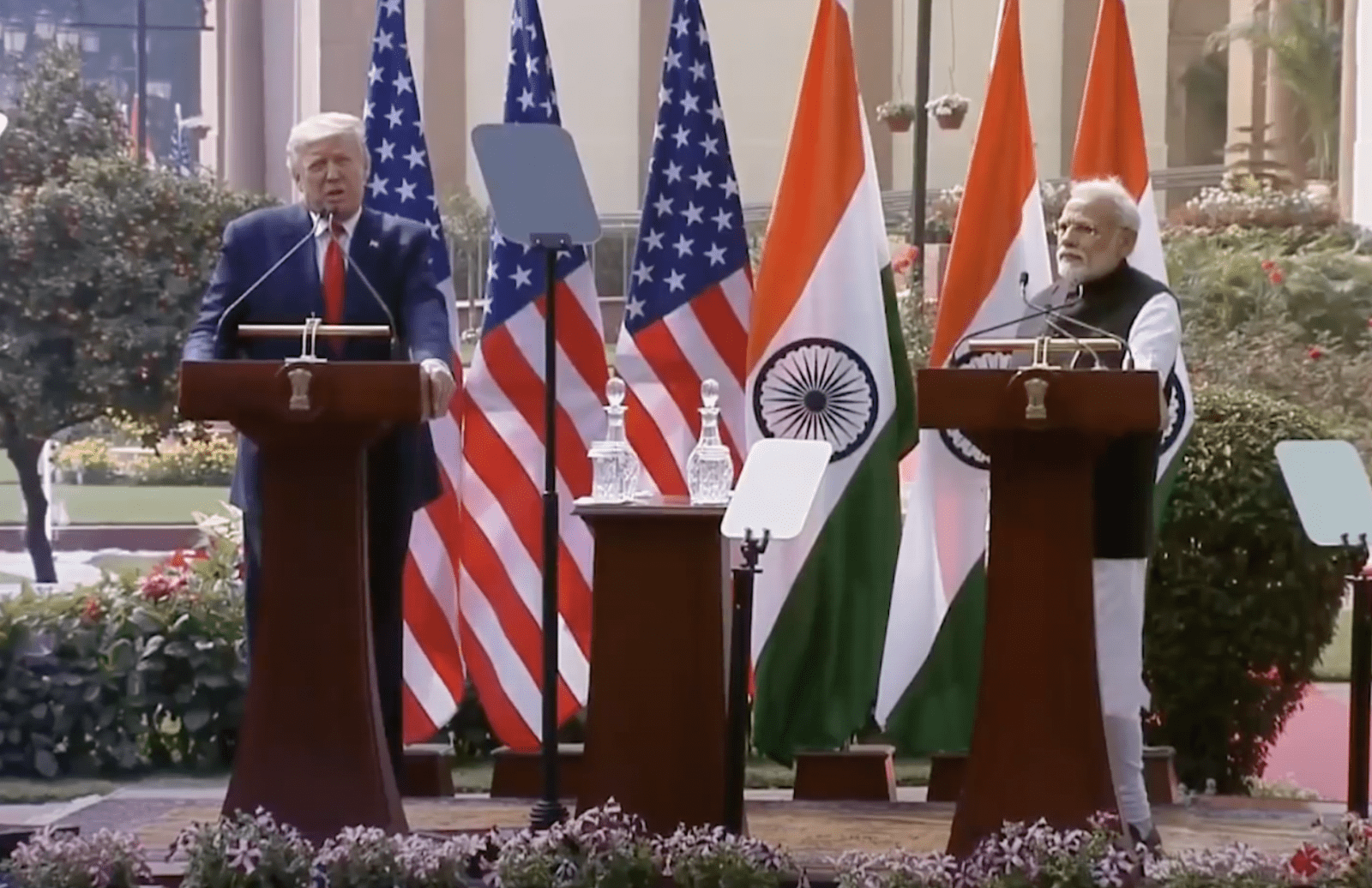
India – United States Defence Deal signed during President Donald Trump’s visit to New Delhi in February 2020 is yet another milestone in the Indo-US Strategic Partnership whose concrete development coincided with the beginning of 21st century. Former President Obama’s prognostic statement that the 21st will be the Asian century was less of forecast than indicating the US preference between the rising Sino-Indian giants and about India as the Pivot of the US Asia Pacific strategy. The origin of India-US embrace lies deeper in the history than what seems at the surface of their politico-diplomatic relations. In the early 1950s, the US made preemptive purchases of strategic raw materials from India under the Battle Act 1951 (officially known as Mutual Defence Assistance Control Act 1949) to forestall the prospects of the burgeoning Indo-Soviet relations but could not quite succeed. India was unwilling to join the Cold War whose dynamics withheld the Indo-US embrace until the end of the 1990s. In the aftermath of 1962 India’s China War that brought profound changes in the fissures of international politics, the US provision of military assistance to India clearly demonstrated, as indeed it did reiterate through the post-1965 war arms embargo, that Pakistan’s security is not its first and only priority.

There is no denying the fact that the recent Indo-US Defence Deal carries serious long-term consequences for Pakistan. It’s not just the $3 billion financial worth of the deal and state-of-the-art weapon systems that matter alone but the doctrinal intent behind the provision of specific arms. 24 MH-60R Seahawk helicopters from the inventory of the US Lockheed Martin may add significantly to the anti-submarine warfare capabilities of the Indian Navy, but according to the US-India joint statement, the helicopters will “advance shared security interests, job growth, and industrial cooperation between both countries.” Again, the provision of six AH-64E Apache attack helicopters for the Indian Army is not a decisive increment but it is the overcoming of traditional US reluctance to share specific technologies from military perspective that matters more from the Indian viewpoint. The concomitantly agreed sale of 10 AGM-84 L air-launched Harpoon missiles along with 16 MK 54 Lightweight Torpedoes to be integrated into the P-8I aircraft, though not being seen as a ‘game changer’, but will place the highly advanced technology in Indian hands, which Pakistan Navy has so far been holding to its chest as a superior weapons system that it alone possessed in South Asia and about which there have been serious considerations to be employed in a special role.

The deployment of these weapon systems, as stated in the US–India joint statement, will not only ‘advance shared security interests’, in the Indian Ocean region and in the vicinity of the Arabian/Persian Gulf, but will also be a sort of Sword of Damocles hanging over the head of security of Pakistan’s naval vessels. India already possessed sophisticated military systems of Russo-Soviet origin, but the acknowledged technological superiority of US systems will enhance the lethality of the Indian Navy in submarine warfare and anti-ship capabilities. It’s not that Pakistan has no deterrent against such weapon systems, but it will endanger the sense of security that has somewhat existed in the field of conventional military conflict below the nuclear threshold. It will also enhance the existing disparities in the conventional asymmetries between India and Pakistan whose military equilibrium strongly favours India and add further strain on Pakistan’s employment of nuclear deterrence.

It’s ironic that the Indo-US Defence Deal has been concluded at a time when Pakistan enjoys very warm political relations with the United States and its widely believed to be ruled by a staunchly pro-US, if not a protégé, regime of Premier Khan whose constituent politico-military membership includes career professionals who are famous to be longstanding US clients. On the Afghanistan front, concerning Taliban–US negotiations for the withdrawal of foreign troops, Pakistani regime is ostensibly making unilateral concessions to the US and is alleged by the critics to be bent over backwards to promote US interests, despite the latter’s direct engagement in the providing weapon systems to India, which are highly detrimental to the Pakistan’s military/security interests. It’s a contemptuous disregard, not only to regional strategic stability, but also to the growing conventional military asymmetry in the region in continuously providing the types of latest weapon systems and military technologies to India that in the immediate future can only be used against Pakistan and has no conceivable employment against China. Pakistan looks hamstrung to develop credible options due to its engineered economic collapse.

The deal is part of a larger objective to develop regional military superiority in the Indian Ocean and Indo-Pacific regions. The United States and India seem to be working on the assumption that there is a link between CPEC and Sino-Pakistan naval military collaboration in the Indian Ocean Region for which China is providing its advanced military hardware to boost Pakistan’s naval military capabilities around Gwadar. The conundrum is complex and complicated enough to delink the various dimensions of maintaining conventional and strategic equilibrium from Sino-Pakistan’s perspectives and US engagement in strategic cooperation with India.

India has acquired the distinction of becoming world’s second-largest importer of arms over the past five years, and for the very first time, has been ranked third in top global military expenditure list with a 6.8 % rise in its annual global military spending in 2019, and with a 3.7 % share in the global military expenditure for that year. India’s massive arms buildup, aggressive conventional military capabilities and preemptive nuclear posture are directly threatening strategic stability in South Asia, which otherwise is not the proclaimed US objective.

How Different is the “New Normal” from the Old Normal in South Asian Crises?

How Different is the “New Normal” from the Old Normal in South Asian Crises?

The summer “fighting season” in Kashmir appears to be heating up. Indian media reports suggest an increase in terrorist group infiltrations over the Line of Control from Pakistan. Cross-border shelling incidents between the Indian and Pakistan Armies are rising in frequency. This surge in violence raises the prospect that a high-casualty terrorist attack on an Indian military base or police forces spurs another military crisis between India and Pakistan.

Tit-for-tat airstrikes during the last major South Asia crisis in February 2019 marked a significant escalation and spurred claims by New Delhi and Islamabad of a “new normal” in their willingness to engage militarily. The “new normal” narrative and the toughness it implies suits the political and military establishments in both states. To the extent such tough talk will be backed up by military muscle, most analysts of the region worry that the next crisis could escalate faster and more dangerously, even risking a nuclear conflict.

However, the 15 months since the February 2019 Balakot crisis mostly resemble the old normal in important respects. Events that might have been expected to provoke military escalation under the “new normal” passed by far less eventfully. Is South Asia really more primed today for war?

The “NEW NORMAL”

On February 14, 2019, after a suicide bomber – an Indian Kashmiri who reportedly had joined the banned, Pakistan-based terrorist group Jaish-e-Mohammad – attacked an Indian police convoy near Pulwama, in the Kashmir region of India, Indian Prime Minister Narendra Modi threatened “a fitting response” against Pakistan. “This is an India of new convention and policy,” he declared. Analysts branded this posture India’s “new normal.” A subsequent cross-border strike by the Indian Air Force on February 26 on a purported terrorist facility near Balakot, in Pakistan’s Khyber Pakhtunkhwa province, gave proof of the policy (setting aside whether the target was actually hit or not). While Indian officials never defined the “new normal” policy, they allowed the impression that India would not be deterred by Pakistan’s nuclear weapons from responding with increasingly punitive military force to future terrorist attacks by Pakistan-based groups.

Pakistan’s tit-for-tat airstrikes on February 27, which Islamabad claimed targeted open ground in the vicinity of Indian military installations, signalled its resolve to match Indian military reprisals. Though Pakistani military planners could not have counted on shooting down an Indian MiG-21 and capturing the pilot during the episode, this additional success fueled claims that Pakistan’s “new normal” is actually “quid pro quo plus.” As with India, Pakistani officials have left ambiguity around the meaning of “plus,” but it seems intended to project a willingness to climb the escalation ladder as a means of restoring deterrence.

Chest-thumpers in both countries seem to welcome the danger implied by the “new normal.” In India, commentators lionized the Balakot strike as a paradigm shift in India’s response to terrorist attacks. In Pakistan, analysts sought to reinforce Indian perceptions that a sharp military escalation could trigger Pakistan’s first use of nuclear weapons early in a crisis. On the strength of these polemics, it is tempting to predict that a next crisis could escalate in new and more dangerous ways – that the “new normal” will be more violent and persistently nearer the nuclear precipice than the old normal.

Beneath the rhetorical heat, however, political and economic imperatives, and the ever-present threat of mutual nuclear destruction, keep a lid on escalation. These forces are apparent in statements from current and former Indian and Pakistani officials and through the actions of the two militaries in the 15 months since the Balakot crisis.

CHANGING PAKISTANI PERCEPTIONS OF A LIMITED CONFLICT

Windows into the perceptions and crisis-thinking of top officials in South Asia tend to be limited, apart from when they periodically issue threats or conduct diplomatic manoeuvres. This pushes analysts (especially those observing from outside the region) to draw heavily on writings and remarks from former officials as indicators of the region’s temperature. A February 2020 speech by Lt. Gen. (retd) Khalid Kidwai, the former head of Pakistan’s Strategic Plans Division, is noteworthy in this regard.

In remarks focused mainly on the Balakot crisis, Kidwai hammered repeatedly on the centrality of nuclear weapons to escalation calculations. Pakistan’s nuclear weapons, Kidwai asserted, “deterred India from expanding operations beyond a single unsuccessful airstrike” at Balakot, through the “cold calculation that nuclear weapons come into play sooner rather than later.” He warned that “while it may be easy [for India] to climb the first rung on the escalatory ladder, the second rung would always belong to Pakistan, and that India’s choice to move to the third rung would invariably be dangerously problematic in anticipation of the fourth rung response by Pakistan.” Finally, he cautioned that the Indian air strike “was playing with fire at the lower end of the nuclear spectrum and Armageddon at the upper end.”

If nuclear deterrence sounded the base notes in Kidwai’s speech, his observations on India’s “irrational, unstable and belligerent internal and external policies” provided the shrill tones. He railed against the “extremists and religious fanatics of the RSS and the BJP [who] are the real time state and the government,…and in firm control of India’s nuclear weapons, with a track record of strategic recklessness and irresponsibility.” He also castigated Indian military leaders as “too meek, or equally reckless, to offer sound professional advice” and for giving in to the “irrational pressures of their political masters.”

Warnings of “Hindustan’s quest for regional domination” could be read as part of the battle for international public opinion in South Asia. However, the juxtaposition of Kidwai’s arguments for the success of Pakistan’s nuclear deterrence with his charges of “strategic recklessness” by India’s “ideologically driven leadership” suggests real concern about the “irrationality” of Indian actors in future crises. Modi appears to personify the threat on which Pakistani strategic culture is built and perpetuated by Pakistan’s security establishment. Indeed, Modi features prominently in the Pakistan Army’s 2020 Green Book, which from the first page argues, “Mr Modi has not only endangered the immediate neighbourhood, but has also raised the ante for the entire World.”

INTERPRETING MODI

Since 2002, and perhaps earlier, military planners in Pakistan could count on Indian leaders exercising crisis restraint. There seemed to be consensus in New Delhi that engaging in military conflict with Pakistan, regardless of the cause, was detrimental to India’s larger economic and global status-building project. (Pakistanis may not agree with this assessment, but the record of crises between 2002-2016 appears to bear it out, as do many Indian narratives, including from critics of the current ruling party.) Indian restraint made the effectiveness of Pakistan’s deterrent a relatively foregone conclusion, no matter how Pakistan postured its nuclear arsenal.

Pakistani analysts argued that “full spectrum deterrence” – the posturing of nuclear weapons for use in tactical, operational, and strategic roles – had closed the space for India to conduct even limited (proportionate) military operations against Pakistan. However, Indian restraint in countering terrorist attacks even as provocative as the Lashkar-e-Taiba assault on Mumbai in November 2008, may have owed more to the outlook, priorities, and disposition of Indian leaders than to Pakistan’s deterrent. Indian governments prior to Modi sought to avoid war for many reasons and used the risks of escalation to a nuclear conflict to justify their restraint. The military space for Indian reprisals always existed, which India’s very limited Balakot air strike demonstrated, even if the strike was neither as successful or paradigm-making as Indian advocates of the “new normal” profess.

Yet the real fear in Pakistan is that Modi’s rhetoric and domestic policies during and after his May 2019 re-election indicate a level of zealotry and irrationality that might lead to deterrence failure. Modi’s campaign-trail allusions to a Qatal Ki Raat (night of the murder) and blustery warnings that India isn’t saving its nuclear weapons for Diwali could be dismissed as electioneering. But subsequent decisions by Modi to change the legal and political status of disputed territory in Kashmir and to target the citizenship of Indian Muslims are interpreted as state-directed bigotry that will also infuse India’s national security institutions.

The question is whether Modi’s nuclear threats, coupled with perceived successes in implementing anti-Muslim policies in India, are likely to embolden more aggressive action against Pakistan, with attendant crisis-escalation risks.

FROM BALAKOT, A RETURN TO CROSS-BORDER SHELLING

India’s behaviour during and since the Balakot crisis does not directly answer this question, but it provides some clues. First, India’s air operations at Balakot, though without precedent in the South Asian nuclear age, were far less forceful than many in India had called for. As Kidwai himself pointed out, a single, standoff airstrike is orders of magnitude less escalatory than, for example, an Indian “Cold Start” ground incursion onto Pakistani soil. Indian planners appear to have taken calculated targeting and operational risks.

Second, an uptick in violence across the Line of Control in Kashmir in April 2020 suggests a resumption of the usual hostilities, not a new paradigm. Both sides blame each other for initiating the actions – with India arguing it is attempting to interdict infiltration by terrorists – and for the indiscriminate targeting of civilians. If Modi was truly emboldened, why did the Indian government not use accusations of terrorist infiltration for a Balakot 2.0 strike, or something even more damaging? And if Pakistan was truly concerned about escalation, and that Modi is a madman with an itchy trigger finger, would it not do more to shut down terrorist groups whose actions in Kashmir might give India a pretence to attack?

Third, for all its machismo, the Modi government has come in for criticism from Indian strategists for not doing more to translate the Balakot “new normal” into a more consistent and firm policy towards Pakistan. For example, one analyst assesses that India’s 2020 resumption of cross-border shelling reveals that Modi remains interested in military action only for show, rather than deterrent effect. “New Delhi should have used every serious terrorist attack as an excuse for escalation, and any military response from Pakistan as an excuse for further escalation,” he argues. The Indian government’s continued low tolerance for risk of war with Pakistan may frustrate some Indian observers but, at the same time, indicates that rational (electoral) calculations underlay Indian leaders’ bellicose rhetoric.

Seen from this light, Kidwai’s doubling down on nuclear deterrence is a reflexive response. (And motivated by point-scoring, given his observation that after years of public handwringing by the international community over the security of Pakistan’s nuclear weapons, global powers have been remarkably silent about Modi’s nuclear threat mongering.) Kidwai’s remarks also frame the bind that Pakistan is now in. Islamabad can be responsible and measured in its responses in the face of Indian recklessness, yet the world continues to side with India. Though Pakistan’s nuclear weapons may, as Kidwai argues, “bring the international community rushing into South Asia to prevent a wider conflagration,” they do little to dissuade an aggressive, bigoted, and ideologically motivated Indian leadership from taking calibrated military actions against Pakistan. (For Modi, whether these actions harm Pakistan may be less important than their public relations value to fire up his domestic political base.)

Nuclear weapons will continue to deter major war with India and catalyze international crisis intervention, as they have always done. Yet, if the “new normal” is not substantially more dangerous and prone to a nuclear exchange than the old normal, Pakistan’s nuclear weapons do little to diminish or deter the endemic threats lurking on Pakistan’s doorstep – economic failure, political disarray, international isolation. Such weaknesses are far easier for India to attempt to exploit than any perceived gaps in Pakistan’s military capabilities.

AN ENDURING OLD NORMAL

For sure, the use of airpower in the Balakot crisis and the purported threats of missile strikes at the height of the 2019 crisis were deeply concerning. There was good fortune along the way that accidents or other possible sources of inadvertent escalation did not materialize.

Yet, the Balakot crisis fizzled rather quickly. Indian and Pakistani leaders made deliberate targeting and response calculations that (luckily) did not result in major casualties. Both sides sought a public relations victory with domestic and international audiences, then moved to de-escalate. There is sparse evidence that leaders in either capital saw benefit or opportunity in furthering the crisis, let alone in a more expansive fight.

The next time the Indian government decides to react to a provocation attributed to Pakistan, New Delhi may try again to achieve what it seemingly didn’t at Balakot: the successful targeted killing of terrorists inside Pakistan. Such a strike would likely cause great injury to Pakistan’s pride, but not grievously damage the state. In response, Pakistan could do “quid pro quo plus,” but the costs to India to receive such retaliation remain low. If the crisis stops there, the main fight again will be through the chyrons splayed across nightly television talk shows, not on the battlefield.

It remains the case that a major war favours neither the domestic politics nor international aspirations of either India or Pakistan. In this respect, though perhaps more worrying and occasionally violent, the “new normal” may not be so different from the old. With a decisive military victory out of reach, and the shadow of nuclear annihilation ever present, risking escalation beyond very limited reprisals brings no gain.

(Disclaimer: Strafasia.com provides an open platform for objective and unbiased debate on Asian security issues. The views expressed by individual authors are their own and should not be seen as an endorsement by Strafasia.com)
The Indian Army’s Delusions of Grandeur

In a recent interview to strategic affairs analyst Nitin Gokhale, Indian Army chief General Manoj Mukund Naravane commented on various aspects of operational preparedness in the COVID-19 environment. While the overall interview contained several noteworthy takeaways, there was an important but unnoticed remark of geostrategic significance.

Responding to a question about the defence budget being impacted due to counter COVID-19 efforts by the union government, General Naravane stressed that investments in national security must continue since, “We are not looking at our own security only, we are security providers for the whole of South Asia” (refer to 18:18 mark in the video).

The Indian Army’s Land Warfare Doctrine (2018) which was developed during Modi 1.0 under the watch of General Naravane’s predecessor (now Chief of Defence Staff) General Bipin Rawat had already elucidated this concept in the following words:

India’s role as a regional security provider mandates a force projection capability to further our national security objectives. A Rapid Reaction Force comprising Integrated Battle   Groups with strategic lift and amphibious capability will be an imperative for force projection operations“.

General Naravane’s comments confirm that India has intertwined its national security with force projection in the immediate region. Essentially, any ‘weakness’ on the external front would, according to this belief, incur domestic liabilities. In the context of COVID-19 therefore, it is most important for India to ensure the integrity of its national systems and institutions.

This could explain why the CDS along with tri-services chiefs together held their first press conference to announce drills by airmen, sailors and soldiers expressing gratitude to hospital staff combatting COVID-19, an incident that was otherwise ridiculed by serious military observers including from within the Indian military veterans community. Per the prevalent mindset in India’s civ-mil leadership, the securitised projection of ‘resistance’ against a pandemic would ‘uphold’ India’s image as a ‘credible’ crisis manager.

Since long, India has focused on South Asia as a bloc where it could fulfill its ambitions to posture as a ‘regional superpower’. This unfulfilled dream was given material support by the administration of former US President Barack Obama and is ongoing through by Donald Trump as part of a larger ‘Indo-Pacific’ framework. In and of itself, India is incapable of shoring up regional acceptance considering the distinct geopolitical makeup of South Asia in which China and, to some extent Russia, also has an important say.

As the only other nuclear-armed country in South Asia, Pakistan will never accept the hegemony of a nemesis that continues to adversely impact its national security interests day in and day out. It was just over a decade ago when the Indian Army had raised a clandestine military intelligence unit (Technical Support Division) which conducted attacks within Pakistan.

Whether it is support for the Mukti Bahini leading to the transformation of East Pakistan to Bangladesh, routine unprovoked firing across the Line of Control, execution of ghost ‘surgical strikes’ for internal political advantage, testing of Integrated Battle Groups for rapid cross-border incursions, disruption of the strategic stability equilibrium through rising arms import and nuclear arms buildup, lobbying for blacklisting by the Financial Action Task Force, supporting insurgencies in Balochistan and Gilgit-Baltistan or threatening to use water as political coercion, Pakistan has a long list of justified reasons to perceive India as an aggressor.

Historically, India has also meddled in the internal affairs of countries as Sri Lanka, Maldives, Nepal and Bhutan. On account of its manipulative geopoliticking with major world powers under the redundant guise of ‘non alignment’, India continues to play different extra-regional actors to its advantage. An example is the fact that while it is one of the largest importers of Russian arms since the Soviet era, India is cementing efforts by the American establishment to develop a trans-oceanic arc of resistance against perceived Chinese expansionism. It goes without saying that policy planners in the Kremlin were compelled to re-think the durability of their ties with India leading to opening of several back-channels with Pakistan.

The declaration of a ‘Global War on Terror’ provided India the opportunity to assert itself more confidently in the South Asian geostrategic paradigm through persistent US patronage. The first public affirmation of this assertion was witnessed in the publication of Indian Navy’s 2015 Maritime Security Strategy which declared the force as a ‘net security provider’ in the Indian Ocean, later followed by the Indian Army’s ‘regional security provider’ rhetoric.

New Delhi’s efforts to this end are not without their share of risks. In mid-April, Indian press was buzzing with reports that the Indian Army was preparing to send COVID-19 assistance teams to Sri Lanka, Bangladesh, Bhutan and Afghanistan. This offer was vehemently rejected first by Sri Lanka’s Defence Secretary and then by a spokesperson of the Afghan National Security Council. It is obvious therefore that India’s enthusiasm has little takers in the region.

To this end, a ‘revisionist’ China (as termed by the global superpower US) assumes the critical role of an actual regional watchdog by keeping tabs on India’s petulant initiatives. Unlike India, China has made significant geoeconomic investments in South Asia in parallel to its military diplomacy.

While the Indian Navy is benefiting from USINDOPACOM’s support, the cooperation at Army-level (viz US Army Pacific) is, at best, limited as it is still in nascent stages. Due to past engagements with the Russian military, the Indian Army has not gained sufficient joint operational experience with US Army counterparts. On the other hand, Pakistan Army has sufficient experience in military operational coordination with the US vis-à-vis the war in Afghanistan. It would take many years for the Indian Army to attain some level of parity with Pakistan when it comes to operational synergy with the US.

Another important factor is the Indian Army’s deep involvement in Indian-Occupied Jammu & Kashmir which remains a source of international consternation. The unilateral revocation of Articles 370 and 35-A in August 2019 by the BJP government enabled forceful annexation of occupied territories to the Union Government and significantly dented India’s ‘high moral ground’. Continued human rights violations in IOJ&K and insider accounts of Indian Army’s extrajudicial killings in the insurgency-rife North-East raise pertinent questions regarding its professional ethos and regional standing.

In the aforementioned context, the Indian Army chief’s concerns about losing a perceived ‘dominant’ status in South Asia are nothing short of delusions. India has a lot on its plate internally.

COVID-19 & India’s Hindutva Xenophobic Agenda

While the world is grappling with the pandemic COVID-19, India is exploiting this opportunity to push its Hindutva agenda. Coronavirus has hit India hard too but instead of providing relief to its citizens, the extremist Hindu leadership is taking advantage of the world’s preoccupation to machinate its heinous xenophobic agenda.

Hindutva is a nationalist ideology, based on a modern-day version of centralized intolerant Hinduism. It has nothing to do with the historical tradition of spiritual practices in Hinduism. This centralized and chauvinistic ideology—Hindutva—has been brought to the forefront today by a group of extremist political organizations called the Sangh Parivar  (Sangh Family)—comprising the Rashtriya Swayamsevak Sangh (National Volunteers Association—the mother organization after which the label Sangh Parivar is coined), the Bharatiya Janata Party (Indian Peoples Party—Hindutva’s political front), the Vishwa Hindu Parishad (VHP—World Hindu Council – the formation’s activist front), the Shiv Sena (the fascist front) and numerous others.

The Sangh, in turn, preaches religious extremism emanating from Hindutva, a term coined by Vinayak Damodar Savarkar in 1923 to create a collective “Hindu” identity. Its aim is to establish a Hindu Rashtra (Nation) devoid of other religions or forced into subjugation.

In line with the fanatical policies, VHP has called for a complete ban on the Muslim missionary group, the Tablighi Jamaat and its Nizamuddin Markaz besides freezing its bank accounts and closure of all its offices for the spike in COVID-19 cases across India. The majority of pro-government Indian news channels are linking the coronavirus outbreak to the Tablighi Jamaat and its gathering held in New Delhi, stoking anti-Muslim sentiments.

Hindutva has an odious agenda for Kashmir. On 5th August 2019 BJP rescinded Articles 370 and 35A of its own Constitution pertaining to Kashmir and annexed the disputed region into its Union Territory. Article 370 provided autonomy to Kashmir while 35A forbade non-Kashmiris from settling in the Valley or acquiring property in Kashmir.

To make matters worse, the National Register of Citizens (NRC) and the Citizenship Amendment Act (CAA) were introduced in December 2019. The NRC demanded the citizens to register themselves but the Muslims of Assam and elsewhere were barred from it so that they remain outside the reach of registration, deprived of their basic rights and if deemed necessary, forced to leave India. The CAA, on the other hand, is an act, which has provided Non-Muslims, who entered India as refugees to become citizens, but the Muslims are being kept out of this fold.

To make matters worse, on 31 March 2020, the ‘Jammu and Kashmir Reorganization (adaptation of state laws) order 2020 was enacted, which relaxes domicile rules for the valley and eligibility criteria for employment in the region. The order qualifies Indians, who have resided for a period of 15 years in the occupied region or have studied for a period of seven years and appeared in Class 10/12 examinations there, eligible for the domicile of the valley. This means that those who fulfil the new criteria will become permanent residents of Kashmir. The new law authorizes the citizens of India to settle in and compete for jobs in the disputed territory of Jammu & Kashmir.

This malevolent conspiracy aims at the introduction of an undemocratic delimitation measure seeking to ensure the constitutional entrenchment of a Hindu majoritarian agenda to dispossess the people of Kashmir. The cat is now out of the bag because the Hindutva agenda is to alter the demographic character of the Muslim-majority territory at a time when the world’s attention is focused on the worst public health and economic crises of current times. These malicious attempts to take advantage of the prevailing global circumstances are reflective of the noxious mindset of the Hindutva regime in New Delhi.

It may be recalled that in his 8 August 2019 response to India’s actions regarding abrogation of Article 370 of the Indian constitution, the UN Secretary-General had noted that the “the position of the United Nations on this region (Kashmir) is governed by the Charter of the United Nations and applicable Security Council resolutions.” Therefore, it must be emphasized that the ‘Reorganization Order’ contravenes UN resolutions #122 and #126 adopted on 24 January 1957, and 02 December 1957, respectively. These resolutions prohibit any unilateral action targeted at changing the disputed nature of the State of Jammu and Kashmir.

On 16 February 2020, the UN Secretary-General declared, “We have taken a position that UN resolutions (on Kashmir) should be implemented, there should be ceasefire (on LoC), and human rights should be respected.”

All Parties Hurriyet Conference (APHC), a Kashmiri political party, has recently released a consolidated report on the atrocities carried out by security forces in IOK. According to the report, Indian forces in their anti-freedom operation, massacred 95,238 Kashmiris, including 7,120 in custody, since January 1989.

An alarming statistic in the report is that the troops molested 11,107 women. However, independent human rights activists claim that this figure is not even ten per cent of the actual number because many women hide the fact that they were raped due to fear of being castigated by the conservative Kashmiri society.

Indian lawmakers are pointing out that India must castigate Pakistan for establishing coronavirus quarantine camps in Azad Jammu Kashmir, where non-state residents i.e. from the rest of Pakistan are also being housed.

BJP MP Subramanian Swamy is facing backlash over his bigoted comments that Muslims in India do not deserve the same rights as everyone else living in the country. In an interview to a TV channel, when asked about India’s controversial Citizenship (Amendment) Act, the BJP MP alleged: “We know where the Muslim population is large there is always trouble — because the Islamic ideology says so.”

The extremist Swamy claimed, “If Muslim [population] becomes more than 30 per cent [in any country], that country is in danger”. When reminded that Article 14 of the Indian constitution ensures equal rights for everyone in India, he went on to say that this was a misinterpretation of the Article, saying: “The law ensures equal rights for equals.” “Are all people not equal? Are Muslims not equal In India?” asked the interviewer. Swamy’s haughty response was: “No, not all people are equal, Muslims do not fall into an equal category.”

Indian forces are using the world’s preoccupation with quelling the negative impact of COVID-19, by violating the 2003 ceasefire agreement with Pakistan. According to Pakistan’s Foreign Office (FO) Spokesperson, “India’s belligerence continues to imperil peace in the region,” the statement said, noting that India had committed 931 ceasefire violations in 2020 alone and “deliberately targeted innocent civilians” living close to the LoC in Azad Jammu and Kashmir (AJK). Meanwhile, in occupied Kashmir, Indian forces have been targeting the youth in the garb of “so-called cordon-and-search operations”, the FO said, adding that in April alone, 29 Kashmiris have been martyred, including seven since the onset of Ramazan.

The world must take cognizance of India’s Hindutva xenophobic agenda.

The Rise and Decline of Tanks in the Battlefield

Tank Wars.     Tanks are among few weapon systems which have transformed the pattern of warfare. As the quote goes “necessity is mother of all invention”, tanks were also invented out of necessity in WWI to breach German defence lines proliferated with machine guns, bunkers and artillery pieces. The result was British Mark-1, the first-ever tank to enter in combat. The potential displayed by WWI tanks convinced the military minds that tanks can act as revolutionary addition in military warfighting provided that a balanced combination of mobility, firepower and protection is put into consideration.

In WWII, tank forces practically demonstrated the advantage they have added to ground offenses. The traditional war fighting techniques of using fixed fortified defences rendered obsolete against the mobility of armoured columns. German Panzer Divisions utilized tanks to swiftly pierce through the defence lines of the enemy and cut off their supply lines by attacking from vulnerable spots. This tactic, first implemented by Heinz Guderian, became known as the Blitzkrieg. From definition perspective, Blitzkrieg is the two-fold strategy involving: (i) the successful penetration of enemy strategic defence line followed by (ii) driving deep into enemy territory, cutting its ground lines of communications (GLOCs) and destroying its strategic node points. Germans used tanks so skillfully to implement this nascent war fighting strategy that within the opening months of WWII, they had conquered all the landmass in Europe which they couldn’t capture throughout WWI. If WWI tactical lessons can be summarized by a J.F.C Fuller quote as, ”Artillery conquers, infantry occupies,” then WWII tactical learnings can be encapsulated by Guderian’s words as, “If the tanks succeed, then victory follows.”

Russians, in contrast, relied on the strategy of Attrition to wear down German forces using mass firepower and numerical strength. The armed forces which are numerically superior, have bigger material base and are willing to absorb significant losses for sake of delivering absolute defeat to the enemy; the defeat which Clausewitz summarize as, “the complete annihilation of enemy’s forces with brute force,” are more likely to adopt the attrition strategy for war fighting. In wars of attritions fought in later stages of WWII, tanks played crucial role on both sides and evolved accordingly for delivering the requisite results.

The Cold War Period.    The most eminent feature of Cold War was the nuclear arms race between United States and Soviet Union. Within the nuclear umbrella, both NATO and USSR also continued aggressive conventional arms race. In the initial phase of Cold War, the numerical superiority of Soviet armoured forces posed a grave threat to NATO’s defences. As a qualitative countermeasure, the US introduced the idea of  deploying low-yield tactical nuclear weapons (TNWs). Hence, it can be argued that tanks were the first conventional weapon which forced the adversary to develop nuclear counter solution. This supposed solution was short lived as Soviet Union developed Battle Field Nuclear Weapons (BFNWs) of its own to deter NATO’s TNWs, thus forcing NATO to work within conventional realm to strengthen its defences. In later stages, the technological advancement allowed employment of  Anti-Tank Guided Missiles (ATGMs) as a measure to reinforce defence against armoured offenses. However, adaptation of explosive reactive armour (ERA) restored the efficiency of tanks within battlefield. This capability race between ATGMs and armour is still in continuation today.

After the end of cold war, United States assertively displayed its combined arms concept in First Gulf War. The concept, in simple terms, has two different stages; first, in opening hours of conflict, aircrafts and stand-off weapons are used to engage enemy’s key military assets to break cohesion within its ranks; second, after establishment of air superiority the armoured forces are moved within network centric environment to destroy the remaining dispersed enemy forces. The comprehensive situation awareness of entire battlefield catalyses the planning process, reduces the threats against ground force, minimizes the risks of friendly fire and enhances the net efficiency of all tiers of forces. Within the combined arms concept, the dependency on tanks for power projection was reduced, but on upside the tank’s combat utility became more precise in modern military equation.

Tanks and the 21st Century.   The 9/11 terror attacks and subsequent Global War on Terror transformed global threat perceptions. Threats posed by non-state actors became a primary area of concern for all nations. The tanks proved less efficient in fighting low intensity conflicts due to factors like overdispersion of enemy forces, unsuitable fighting conditions, complexities of supply lines and non-supportive terrains. Instead, precise munitions, unmanned systems, better equipped infantry, mine-resistant vehicles and enhanced intelligence played chief role in success of COIN/CT Operations.

A natural outcome of the alternation of threat perception is the decline of emphasis on tanks as preferable combat tools within the western world. The most advance militaries in the world, like United States, United Kingdom, France and Germany, no longer have next generation battle tank projects. Instead, all these nations are upgrading the existing platforms to meet the future requirements.

In general, four reasons can be attributed to explain this policy. First, the objectives of warfare have evolved, and wars are now rarely fought for territorial increment. Tanks were considered as important offensive weapons to conquer enemy territory. The aspect of limited window of operability – due to efficient intervention of international community for crisis resolution, has narrowed the time space needed for execution of major tank-based operations. Second, the survivability and thus the combat efficiency of tanks have become questionable due to proliferation of modern precise weapons. Third, the economic burden of raising and maintaining modern tank fleet is increasing day by day. And finally, the epicentre and methodology of power competition has changed. Unlike USSR, resurgent China pose naval power projection challenges thus shifting focus on modern naval assets. Plus, the emergence of new diffused battlespace, e.g. cyberspace, has prompted military planners to also keep newly emerging battlespace into the chief consideration.

Tanks of the Future?     The advancement in technology can benefit the tanks as much as it can benefit any other weapon system. But it boils down on the requirement and matter of policy that a certain state is willing to undertake requisite research and development in that direction. Russia for example, has introduced new tank design, i.e. T-14 Armata, which incorporates unmanned turret, dedicated crew compartment and variety of active and passive protection systems. Similarly, Israel’s Elbit system has invented new Iron Vision head mounted display system which allows the crew to get full field view through the armour without leaving the crew compartment. Meanwhile other new technologies, like the introduction of smart tank munitions and the maturing ability to operate unmanned systems, are also likely to supplement the efficiency of armoured forces. But ultimately, the future of armoured forces in emerging battlespace will be decided by technological edge they will manage to obtain against anti-armour weapons, the room tanks will manage to occupy within future battlespace, and the power projection options tanks will be able to offer which other weapons will not. Provided these conditions are met, tanks as a weapon of war as well as an efficient conventional deterrent, will be able to secure their existence in threat environments of future.

Rising Clouds on the Eastern Horizon

COVID-19 is an affliction that has engulfed the entire human race regardless of their affinity to a specific religion, language group, nationality or accord.  All people, with sanity prevailing in their hearts, have been working ceaselessly to their maximum potentials and capacity since onset of this pandemic, solely for the benefit of humanity. However, there yet are certain identities in this world who are stuck to their ideologies of hate, frenzy and indifference to others.  They are the eccentric extremists with their fixation towards a specific religious, racial or political ideology. The unfortunate part of the story emerges when this rage immerses an entire or a large component of social strata. A somewhat similar calamity has struck in our immediate neighbourhood, where despite this great ordeal of global magnitude, the state government at large, and specific ideological groups especially, are still continuing with their policies of hate, exclusivism, conquest and hegemony.

The republic of India, the claimed biggest democracy and flagship of secularism has been turning against its own constitution and people. The current government of India, since its assumption of office, has repeatedly dishonoured the spirit of its own social contract that was enshrined in its constitution. The controversial and extremist ideology and rituals that it has been preaching and practicing have been affecting the domestic as well as regional stature and influence of India. But now, with grant of “Country of Particular Concern” (CPC) status, the concern has gone global. The square responsibility of this fall lies on fanatic and venomous (RSS-inspired) ideology and practices of the BJP-dominated government, led by Mr Narendra Modi. Mr Modi has a record of expressions, inclinations and habits of employing force, excesses and violence against religious minorities, political opponents and intellectual dissidents; or a silent consent to these. An unusual rise of societal intolerance, religious bigotry and crimes against women has accompanied the political rise of the BJP of Mr Modi.  It was never there at the time of former PM Mr Atal Bihari Vajpayee and his contemporaries in BJP. These neo-cons or revivalists of Maha-Bharat / Hindutva have played havoc in the India of Mr Gandhi, Abdul Kalam Azad, Nehru and the likes of those founding fathers of India.  The policies of the current government have torn the very fabric of the Republic. Successive incidents like the Gujrat massacre, becoming the rape capital of the world, anti-Sikh/-Muslim/-Christian/-Dalit riots, de-monetization, foreign procurement related scandals, abrogation of article 370, CAA, Islamophobia during the pandemic, have nothing but BJP in common.  Today, every minority is fearful of the majority; may it be Muslims, Sikhs, Christians or others, all are fretful about their fate and the fate of their future generations.  Abetted and endless episodes of rapes, mob lynching/burning, destruction/desecration of religious structures, organised and police-sponsored communal violence, etc. have all highlighted the chaos and abyss that India is falling into. And to top it up is her relations with her neighbours.

Historically since independence, successive Indian governments have been believing in and acting hegemonically in regard to regional politics.  A strong and militarily assertive India has always been a means to achieving regional domination and global recognition.  It was in the same hang-over of the “Big Brother” complex that several Indian governments, regardless of political affinity, have taken numerous military actions against their smaller neighbours.  The examples of military interventions against Pakistan, Sri Lanka, Bhutan etc., under one pretext or other, are all part of sub-continent history.  However, since the rise of the Modi-led BJP government, the mantra and application of military might and forcefulness of its large national capacity has become overwhelmingly intrusive.  India’s quest to become a regional (and later global) power on the wings of foreign acquisitions and procurements, has not gone un-noticed from pragmatic international observers. SIPRI’s indicative rise in Indian defence spending bulging to above US$ 71 billion and becoming the largest weapon system importer, highlights concern by the rational players.  But a higher worrying consequence emerges, when such a rise is “hurray-ed” by a sizable number while 40% of Indian population lives below the poverty line. Similarly, internal anarchy (in the face of economic regression, uncontrollable law & order in post -370/-CAA, pandemic, etc.) and resultant Islamophobia has been noticed by most ME players, OIC and even the US. Insolent social media accusations, abuses and threats against Islam and Muslims has demonstrated BJP’s ever growing internal anti-Muslims handling and intolerance to Islamic ideology at large.  This has not only been demonstrated by Indian elite (MPs inclusive) inside India but also by non-resident Indians in the world.  Responses from Kuwait, UAE, OIC and now specifically from USCIRF are hardly in time, if not late, and an awakening to reality by the world community.  This phobic trend and frenzied BJP thought process is dangerous, and the world has already suffered due to such demented conceptions in the mid twentieth century.

Such situations are neither new to Indian leadership nor to their dogmatic proponents in the academic field.  The sole tested and repeatedly acted drama script is to blame Pakistan for all evils prevailing in, around, from and towards India. The BJP government supported by its social, electronic and print media toons have started blaming Pakistan for their internal chaos (remember abrogation of article 370, CAA and now COVID handling?) and also for the absurd Indian response to all those contingencies. First it was Indian government agencies and e-media alleging Pakistani hand in masses’ retaliation against 370 abrogation and CAA, then Pakistan was sending agents with COVID-19 virus to India through Nepal, then its was Pak media creating false response with fake names, then it was illegal border crossing into IOJK, next it was cross-border support to IOJK freedom fighter and now God knows what else would be in offering in their next conspiracy-theory plan.

Sycophantically, all kinds of media monkeys and pseudo-highbrows of Hindu-supremacist mindset follow this piper and commit intellectual suicide by negotiating reason, rationality and truth for petty monetary gains and party/class loyalties. No doubt that there are few other religions’ representatives as well. But it is coercion, bribery and personal agendas that dictate these collaborators to turn against their own communities, be it Muslim religious leaders, Sikh political leadership, Christian socialists or Dalit community heads; all have their own (justifiable or otherwise) explanations to express their verbal or media support to Mr Modi. Nonetheless, whatever is happening and/or is expected to happen is not ultimately beneficial to India or the region.  Although BJP’s ideological master Chanakya has delineated, “One should not allow, enemies posing as friends, to grow at one’s expense,” but in our candid ethical and hearty reckoning, “an India at peace with itself is in the best interest of Pakistan.” But the peace comes at the cost of soul-searching, self-realisation, surrendering inhuman beliefs and abandoning racial/religious fanatic ideologies or any notional superiority of one over the other; and that under existing BJP’s (RSS-inspired) leadership is least conceivable.  The disciples of Kotiliya have inability to comprehend the presence of goodness in neighbouring relations.

The previous trend of the BJP government very distinctly demonstrates the approaching apocalyptic scenario.  Attack on any Indian element, be it in eastern, northern, southern or western extremities, is first pasted against Pakistan. Later-on, the Indian investigation may reveal otherwise, but the media is filled with a jingoistic war-cry.  Many a case have proven the veracity of internal dissident elements.  However, Indian media never had the courage to reveal the truth. Mr Modi, treading on a similar path and beating his claimed “50-inch” chest, jumps the wagon and raises warmongering slogans and punitive threats. He has, on occasion, gone to the extent of raising nuclear ante, without considering the implications of such an exchange to both the people, region and the world. The more fearful account is the overconfidence of Mr Modi and his military lieutenants in the superiority of their conventional as well as unconventional capabilities and in undermining the capability and resolve of the enemy.  After the Uri incident, Indian army claimed that they carried out land “surgical strikes” across LoC into AJK and killed of dozens of preparing terrorist groups (hundreds of terrorists).  Pakistan Army, however, reported only an exchange of fire on LoC; and the very next day took national and international media representatives to all those claimed spots and showed no sign of any such activity. The Pulwama incident was, similarly, expected and forecasted by Pakistani political observers; especially, once Mr Modi’s re-election campaign was reaching a critical stage. The aerial attack that ensued was also prophesised by pundits.  The response therefore was swift and calibrated. The latest addition to this conundrum is the establishment of the office of CDS. General Rawat and his (lots of 3-Stars) staff has a new assignment to pursue: “fulfil Mr Modi’s dream of regional supremacy (read hegemony)” … meaning subdue Pakistan. The next three years are therefore a test run for all big wigs in Indian Armed Forces. CDS moving up for ministership, Services Chiefs to CDS and 3-Stars to 4th.  Carrots hang in front and the task is nothing more than an adversary with less than half the military strength; albeit with proven full spectrum nuclear capability.

Based on foregone assessment of India’s homegrown havoc, external complications, and their historical Indian-style solutions; it is expected that under the current situation of internal mayhem and foreign embarrassment (or failures), India might try to rearrange the situation and attempt to implicate Pakistan in any scheme of deceit that it has woven to rid itself of internal and external pressures. Such tricks, though repeated and old, have mostly gained the Indian government a change of citizens’ focus and unified domestic support on the home front while simultaneously achieving global sympathy and support for her victim status.  Indian overtures in such garb have previously been amicably tackled by Pakistan but the severity and viciousness of the next plot cannot be underestimated. Chanakyan deviousness in statecraft is ugly but so are the realities of international politics. In order to achieve larger (perceived) national interests and glorification, the sacrifice of few hundred citizens is not costly.

The dots on eastern horizon are flashing and thunder clouds are getting darker.  Someone needs to look and prepare.