
Renewed Tensions in the Middle East – What Should India Do?


Given the sudden flare up in the Middle East between Iran and the US emanating from the killing of Qassem Soleimani, what must be India’s outlook and actions?


The Assassination – Recipe for Conflict

On January 2, the Pentagon and the Iranian government confirmed the death of Gen Qassem Suleimani, one of the most powerful men in Iran and the head of the elite Quds Force of the IRGC (Islamic Revolutionary Guard Corps) in a drone strike at the Baghdad International Airport. The killing has evoked mixed reactions around the globe, while some US allies like UK, France have provided a silent tacit support to the issue, others like China, Russia have expressed concern and called on Iran to preserve the spirit of the Iran Nuclear Deal.

The killing of Soleimani, who was the architect of the regional interventionist policy of Iran through its proxies in the Middle East and was a feared man in the US and overall western world, will lead to problems for the Middle East region in the foreseeable future. The US president Donald Trump said “Soleimani was responsible for the deaths of over 500 US service personnel” may be subjected to intense scrutiny, what is clear is that the killing has sparked a tit for tat response in Iran, “Death to America” and “revenge” was being heard in the massive gathering of Iranian people during the funeral procession of the slain general. With Soleimani’s death there will be hell to pay — and because of Quds Force’s reach, Iran will have multiple theaters in which to attack the United States. Attacks on US forces and facilities in Iraq are particularly likely. Tehran has spent over 15 years building up extensive networks among militia groups and politicians in Iraq.

Earlier this week, before Soleimani’s death, Iran was able to rapidly mobilize local proxies to violently demonstrate at the US Embassy in Baghdad, creating a grave security risk to personnel there, even as Tehran’s local allies avoided killing more Americans. Now the gloves are likely to come off. The blowback may be huge, and much depends on how well prepared the United States is for Iran’s response and that of its many proxies in the Middle East.

Washington’s move constitutes a reckless escalation. It is a huge provocation that Iran almost certainly will not (indeed, cannot) tolerate. The drone strike especially puts Iraq’s leaders in an impossible position. The current, fragile government already is under intense pressure from demonstrators because of widespread dissatisfaction with economic conditions, political corruption, and other issues. 

India – the Net Loser from the Entire Flare Up

India stands to lose much in the entire flare up, it has a number of issues at stake. India will now find it very difficult to choose sides in this entire conflictual situation, it cannot afford to antagonize the US, it is India’s largest bilateral trade, with trade surpassing the $140 billion mark in fiscal year 2018-19 and the US emerging as a critical defence partner around the world. Washington also has emerged as a vital ally as far as the containment and chastising of Pakistan – be it lending support to the designation of Masood Azhar as a global terrorist at the UN 1267 sanctions committee of the UN security council or the vetoing of a Chinese move to discuss the issue of J&K following the abrogation of Article 370 on August 5.

Iran, too can’t be ignored. It was India’s third largest oil exporter, although the import of oil from Iran had significantly declined following the US ultimatum to reduce the import to “zero”, Iran still remains a pivotal source of oil and petroleum. Given India’s strong relations with both the US and Iran and the presence of some 8 million Indian expatriates in West Asia, any escalation in tensions could have widespread ramifications for New Delhi, both in terms of foreign policy and economy, particularly crude prices. The Indian nationals in the Gulf region account for about $40 billion of the $70 billion that India receives in remittances annually, and any conflict could not only affect this but also trigger a massive exodus of the expatriates.

What Must India Do?

The million-dollar question that has emerged is what must be India’s approach to this contentious issue. India’s oil import bill in 2018-19 was $111.9 billion. And the new geopolitical tensions could not have come at a worse time, when the economy is crawling at 4.5 per cent GDP growth in Q2 this fiscal year. The Ministry of External Affairs had called for restrain and expressed serious concerns over this sudden killing of a top Iranian figure. India will ready its contingency evacuation plans, just in case things get ugly for the diaspora in the Gulf region, but that is now a relatively easier exercise, having done it several times. India will have to keep a keen eye out on Afghanistan, which could return into a geopolitical conflict theatre. Pakistan will attempt to fish in troubled waters, but frankly, India is now better able to take care of that. Also, the Organization of Islamic Countries has other things to worry about rather than a discussion on Kashmir.

For India, the bigger strategic choice will have to be made if the region does descend into an overt conflict situation between the Arab states and its old strategic partner, Iran and even Israel. Unlike in the past, Indian interests in the region are broader and deeper than ever before. There will be hell to pay in the aftermath of Soleimani’s assassination.

Yogesh Patil, Senior Research Analyst, tracking Oil & Gas sector at Reliance Securities, feels that Brent Crude could hit $75 per barrel-mark in the near-term if Iran chooses to retaliate as out of total crude/ LNG travel through Strait of Hormuz, 80 per cent of crude and 69 per cent of LNG is exported to Asian countries (till Nov’19 end). As for India, which has started importing more crude from Saudi Arabia and Iraq after US sanctions on Iran crude oil export, Patil says higher crude prices would lead to a fall in marketing margins of BPCL, HPCL, IOCL, and RIL

Oil PSUs (BPCL+HPCL+IOCL) are heavily depends upon the crude supply from Saudi and Iraq. In OMC’s crude basket, 24 per cent/ 19 per cent of crude is sourced from Iraq / Saudi from Jan’19 to Nov’19, while Reliance Industries also imported nearly 38 per cent of the total crude from these two countries. However, ISPR (Indian Strategic Petroleum Reserves) maintains an emergency fuel store of total 36.92mn bbl of strategic crude oil enough to provide 8 days of consumption. Higher crude prices to lead a fall in marketing margins (petrol/diesel). Every $1/bbl rise in crude prices to lower marketing margins by approximately Rs 0.45/lt (at constant currency),” he says.

Therefore, it is imperative that India maintains a tightrope walk between Iran and the US, activate diplomatic channels abroad and strengthen the UN as an institution to resolve the entire dispute which could be pan out if not resolved.

When A Legend Falls

Qassem Soleimani’s assassination triggered not a whirlwind, but tornadoes of response. Stocks plummeted and oil prices soared. Across the region and beyond, conference rooms and social media began buzzing with activity. Whispers of World War III co-mingled with snorts of derision at the possibility of an armed conflict erupting. Any altercation between two countries with such a tangled history tempts the imagination as much as it brings nightmare visions to mind.

In the first couple of days or so immediately after news of the drone strike near Baghdad airport broke, the immediate question on everyone’s mind was of how Iran would respond. For those who understood what Soleimani meant to an overwhelming majority of Iranians, there was little doubt that a heavy handed response was imminent. Soleimani, seen as the second most powerful man in Iran, the soldier who had Khamenei’s ear, held legendary status. The commander of the Quds Force, an elite unit of Iran’s Revolutionary Guard, he was revered and despised in equal measure. Termed a brilliant strategist by even those who considered him an enemy, he was instrumental in shaping Iran’s forward projection in the Middle East over a period of nearly two decades. This was the man who helped Bashar al Assad stay in power as the latter murdered scores of his own people. But he was also the man who fiercely, and successfully, pushed ISIS back. A soldier with humble beginnings and a spectacular rise to power, Soleimani was slight in build and unassuming in character, shying away from the public eye for most of his career and rejecting displays of adoration; traits which not only added to the myth of the man, but also endeared him to those he commanded and those he fought for.

News of his death was received with great trepidation for its potential for regional destabilization. But for Iran, to have him taken away as he had been, was seen as no less than a declaration of war. Revenge, it was assumed, would be swift and uncompromising. As Soleimani’s coffin was taken across Iran, mourners filled up roads and every block of pavement, an outpouring of grief for a man they idolized. The media rang with responses from both the Iranian leadership and others to the same effect. Supreme Leader Khamenei vowed to retaliate against the “the criminals who stained their impure hands with his blood”. President Rouhani declared that Iran and “the other free nations of the region will take revenge for this gruesome crime from criminal America”. Iranian Foreign Minister Javed Zarif termed the strike an “act of international terrorism”. Hezbollah leader Hassan Nasrallah stated that Soleimani’s killing had made fair targets of American bases, warships and soldiers in the region.

While most world leaders, in the region and beyond, almost unanimously urged for calm and the need to reduce tensions, support for the U.S. strike was measured and carefully worded. British Foreign Secretary Dominic Raab stated that the UK understood America’s reasons for conducting the strike and that the latter “had a right to exercise self-defense”, while calling for Iran to take the diplomatic route. Embattled Netanyahu praised Trump and stated, “Israel stands totally with the U.S. in its just struggle for security, peace and self-defense”; this was before news came out that he had asked his security cabinet not to be dragged into the issue. Saudi Arabia said it had not been consulted by the U.S. prior to the strike and called for defusing tensions. The Europeans stressed the “urgent” need for de-escalation. Russia condemned America’s violation of international law and pointed out that it could aggravate regional stability. China, perhaps the only state to take a less ambiguous position, called on the U.S. to seek resolution “through dialogue instead of abusing force” and stated its willingness to play a constructive role in regional peace and security.

Matters, however, gradually began to simmer down it seemed. A tenuous calm was restored, the markets recovered, and the world kept a wary eye out for what would happen next.

When, several hours ago, Asia woke up to news of the Iranian attack on the U.S. base in Iraq, everyone’s collective breath froze for a while. Speculation went rife and there were two overwhelming camps: one which swore Iran had just begun a new world war because the U.S. would now punch back hard; the other which insisted that Iran had given a contained response, one it could ill afford not to, and that the onus for de-escalation was now on America. When Zarif tweeted that Iran had taken “proportionate measures in self-defense under Article 51” of the UN Charter and explicitly stated, “We do not seek escalation or war; but will defend ourselves against any aggression”, it seemed a clear call for de-escalation.

The Iranian attack was not unexpected. While a direct engagement, it was not a hot headed response but a measured, contained one. It was calibrated to address each area of concern: placating Iran’s masses, preserving its self-image in the region and beyond, and leaving enough room to allow its opponent to hold back. However, it must be realized that the Iranian response will not – indeed cannot – be limited to this one strike alone. Proxies across the region will engage to avenge Soleimani’s death, not only for the cause he represented but for what he meant to masses and individuals alike. When asked by Soleimani’s daughter as to who would avenge his killing, President Rouhani replied, “We will all take revenge.”

These words must be taken less like the rhetoric that has been issued by so many over the past few days, and more of an acceptance of what is to come. While a level headed Iranian leadership may well use this as an impetus to accelerate ousting America’s presence from the region, for the many to whom Soleimani represented a just warrior, this is no less than a call to righteous action.

Review of Pakistan’s Foreign Policy In 2019

In 2019, Pakistan’s foreign policy efforts focused on four major issues: the Kashmir crisis with India; the Afghanistan imbroglio; CPEC as a point of focus between the U.S. and China; and, the efforts to get off the Financial Action Task Force (FATF) grey list. Meanwhile, efforts were also made to invite foreign investment, attract international tourists and foreign sports teams, and work on exports to African countries.

This essay is a review of Pakistan’s external relations.

The Kashmir Crisis and India

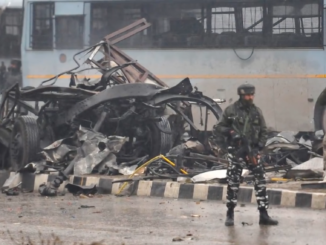
In February, after a terrorist attack on an Indian troops convoy in the Indian Occupied Kashmir, the Indian Air Force (IAF) conducted an aerial raid on Pakistan’s Balakot region and claimed to have killed over 300 militants residing in a camp there. Reports of satellite imagery by credible international news sources exposed the Indian claims as false, stating that the payload had fallen in forested land and destroyed only a few trees.

By some accounts, India tried to set a precedent of launching a military attack on Pakistan. Also, perhaps, the Indian army tried to “call Pakistan’s nuclear bluff” by raiding Pakistan’s mainland. Pakistan’s Air Force (PAF) launched a counter-aerial bout in Indian-held Kashmir and dropped the payload near Indian military facilities. In the consequent dogfight between the PAF and IAF fighter jets, PAF shot down an Indian fighter aircraft and captured its pilot, who was then returned to India as a peace gesture.

On the balance sheet, it can be argued that India showed its assertiveness and military adventurism by conducting a military attack on Pakistan’s territory in order to show that the terrorist attack in Indian-held Kashmir was sponsored by Pakistan and that it could respond with disproportionate use of force.

On Pakistan’s part, by showing restraint and responding to a conventional attack with a counter-conventional strike, Islamabad laid to rest all the previous notions about the use of its battlefield nuclear weapons in the event of an Indian military attack. It established the efficacy of its conventional deterrence in the Balakot crisis by having an upper-hand in the aerial dogfight.

With this premise, one can argue for a possible recurrence of events a la Balakot crisis: a militant attack on Indian soil; an Indian military incursion against Pakistan; and, Pakistan military’s counter-military response. To preclude this untoward scenario, only one solution is needed: nipping the conflict in the bud. That is, Pakistan-based religious groups motivate other people to support them on the basis of the human rights violations in India-administered Kashmir. While Islamabad, for its part, has made some visible efforts to shut down all the seminaries associated with the banned militant outfits and arrested their leadership, the other part of the responsibility lies on India and the international community.

New Delhi also needs to desist with human rights violations, including the communication and internet blackout since August 2019 in its administered part of Kashmir. Also, it needs to come to terms with Islamabad for offering the citizens of Jammu and Kashmir their right of self-determination, instead of forcibly annexing the disputed region.

The international community, especially the P5+1, also needs to play their responsible role, intervene between the two nuclear-armed rival states, and help resolve the dispute. Lack of intervention for mediation will ultimately lead South Asia into instability.

Until the international community comes forward to play its part, the challenge for Pakistan will be how it manages political, diplomatic and economic relations with a powerful neighbour, which has resorted to political and military assertiveness in the region and is bent on risk-taking.

Pakistan’s role in the Afghan peace process:

After failing to carve out a meaningful solution to Afghanistan’s security and political problems through the years-long military campaign, the United States began direct political negotiations with the Afghan Taliban.

The U.S. special representative for Afghanistan Reconciliation, Ambassador Zalmay Khalilzad appreciated Pakistan’s facilitation of the peace talks with the Taliban by releasing the latter’s key political leaders and facilitating their travel to Doha where these talks are being held. Pakistan’s premier Imran Khan was also invited to the White House in acknowledgement of Islamabad’s efforts for the Afghan peace process.

End result: while the U.S.-Taliban peace talks are ongoing, the Taliban’s militant violence on Afghan civilians and on Afghan and American security forces continues unabated; pressure on Islamabad to persuade the Taliban to commit to the peace process also continues. The challenge for Pakistan will remain two-fold.

The first is that it needs to continue to dissuade the Taliban from perpetrating violence in Afghanistan and persuade them to remain committed to the peace talks. The second, ironically enough, is how Islamabad will erase the deeply imprinted acrimony among Afghan ethnic groups, political parties and the Afghan people in general against Pakistan, stemming from its support of the Taliban.

CPEC, Pakistan and US-China power dynamics:

The 2019 year started with the Chinese ambassador to Pakistan Yao Jing’s remarks that Pakistan’s inconsistent trade policies, high tax ratios, and unfavourable business environment are the major culprits in dissuading foreign investors from investing in the country. These are the policies that are affecting Islamabad’s trade competitiveness in the international market. He also claimed that the establishment of Special Economic Zones (SEZs) in the country will increase Pakistan’s export potential by 70 to 80 per cent.

Arguably, CPEC-projects and Chinese investments alone cannot resolve the structural problems of Pakistan’s economy and trade competitiveness. In addition to the concerns highlighted by Ambassador Jing, foreign investors also have other apprehensions.

A common observation among the business community is that the discriminatory bidding process in favour of Chinese companies with regard to CPEC projects and the opacity around contractual terms, rule out a level-playing field for other external and local investors. Complaints were raised in certain quarters that Chinese companies were being offered relatively high rates of return on their investments.

In March, last year, the Senate committee on CPEC criticized the government for hiding information regarding the terms and conditions of CPEC projects. Some members from Khyber Pakhtunkhwa and Balochistan expressed regret that their provinces did not get their due share in the infrastructure development and transport projects.

Similarly, some representatives of rural development programs in Islamabad argued that the success of CPEC depended on job creation for rural people and lamented that the rural region of Pakistan will be left out of the economic integration and job schemes. Also, some academics and former ambassadors expressed reservations regarding the sale of land to Chinese companies and issuance of tax exemptions for their import of machinery.  In order to keep the market competitive, they advised the government to issue similar tax exemptions for local and other foreign investors as well, ensure that Chinese firms transferred technology and that the latter conducted business through joint ventures in the country.

While Prime Minister Khan’s inspiration from the Chinese economic model is to bring about a socio-economic uplift of the poor, the government is pursuing some projects (like the Karakoram highway) on heavy loans that are not economically feasible, according to some accounts, and are therefore contributing to fiscal imbalances.

Moreover, against the promised figure of millions of jobs being created every year to cater to the employment needs of the country’s youth bulge (between the ages of 15 and 25), CPEC-related jobs amounted to only 75,000 in the 2014-2018 period. This was due to the fact that Chinese firms operating in Pakistan did not employ local labour at a great scale, reportedly because of their lack of requisite technical skills.

According to an official 2018 report by Pakistan’s Bureau of Statistics, the employment to population ratio has more or less remained the same for a  twelve-year period, hovering around 50% from 2006-07 to 2017-18. Surprisingly, the employment-to-population ratio dropped from 50.1 per cent in 2013-14 (when CPEC was launched) to 48.9 percent in 2017-18. The rate of female employment also fell from 22.8 in 2013-14 to 20.9 in 20017-18, a decline of 8.3 percent. These official figures do not vindicate the promise of socio-economic uplift of the millions of people in the country with the advent of the CPEC.

This is not to suggest that CPEC is the cause of all of the economic ills. According to the available reports, out of the 22 projects launched under CPEC, 12 have been completed. Seven completed energy projects added 3,240 MW to the national grid; and, the 392km long Sukkur-Multan Motorway, the biggest CPEC infrastructure project, was completed in July 2019. In addition, as part of the Digital Silk Road, China launched the 823-kilometre fiber-cable network system from Khunjerab to Rawalpindi in February 2019. It will be further extended till Gwadar.

Thus, the economic corridor has been a great success in addressing the country’s energy crisis and has made impressive progress in building highways and fibre-optic cable networks, enhancing the potential to stepping up the information flow and transit of goods within the country. The next phase, which involves the development of Special Economic Zones for industries and agricultural sectors in the country, does have the potential to elevate socio-economic development.

As a way forward, Pakistan needs to publish a report on the contractual terms of the CPEC projects, offer a market-driven competitive bidding process irrespective of the origin of the investors, and ensure a level playing field to local and other foreign companies as well.

Secondly, Pakistan also needs to provide an enabling business environment for foreign companies to operate in the country and provide them with the same security that is offered to Chinese companies. Having diverse investments in the country is in Islamabad’s own interest as it will create space for achieving autonomy in foreign policy.

U.S. criticism of Chinese investments in Pakistan: the question is more about approach than substance

The U.S. top diplomat for South and Central Asian Affairs, Ambassador Alice Wells in her speech at Wilson Center in November 2019, raised concerns regarding the CPEC projects’ cost, contribution to existing debt problems in Pakistan, lack of transparency and insufficient job offerings.

These are the very concerns that local Pakistani investors, heads of different community development programs, former ambassadors, some parliamentarians, and academics raise every now and then.  And, Ambassador Wells referred to the reports from Pakistan’s domestic sources (mentioned above).

There is no denying that most of the U.S. support to Pakistan is in terms of grants and aid, which has contributed to Islamabad’s socio-economic development, security and enhancement of military power. American technology, machinery and equipment, being of very high quality, are the most coveted in the country.

However, the real problem lies not in the substance of her program, but in her approach of offering the investments to Pakistan.

The U.S. needs to change its approach toward Pakistan and other countries in the neighbourhood with China. Most countries in South and Southeast Asia tend to avoid being part of the zero-sum game between the U.S. and China, owing to their economic interdependence with Beijing and, in Islamabad’s case, strong strategic ties as well.

Thus, Washington may have to offer investments to countries of this region in addition to, not by supplanting, Beijing’s efforts for socio-economic development. Washington’s economic investments, besides its security presence, in this region will arguably be a massive buffer against China’s alleged use of bilateral economic ties to achieve economic, military or diplomatic advantages in ways that harm American interests.

As is evident from Pakistani officials’ responses to Ambassador Wells’ remarks, Pakistan simply cannot afford to give up economic investments from a country that Pakistanis think helped them when the country needed the investments the most—amid nationwide security, economic and political crises. U.S. interests in South Asia will be better served by sustained economic engagement, not by shifting priorities in the region and pursuing external relations largely through a security-centred perspective.

US-Iran Tensions Escalate Over General Soleimani’s Assassination: Regional Ramifications

Since 9/11, US security and foreign policy discourse has been dominated by the narrative of defeating terrorism. US started many wars and carried out numerous military interventions for regime changes in Middle East, South Asia and North Africa to defeat those forces which were threatening US interests. This process started from Afghanistan war in 2001, Iraq attack in 2003, intervention in Libya in 2011 and attacking Syria in 2014. Many other countries were destabilized by US through indirect maneuvers and proxies including conflicts in Lebanon and Yemen. Iran always considered that US seeks to scuttle their revolution and they are the next in this que of failing states in Middle East. In reaction, Iran emerged as the most potent threat and resistance to US grand design in the region.

Iran started furthering its own regional order agenda which was in direct opposition to US interests and challenge to regional states especially KSA and UAE. This struggle for influence in the Middle East resulted in increased tensions between the US and Iran. Anticipating the impact, Iran started providing support to failing state apparatuses by raising Shia militias in these countries. This task was given to the commander of Iranian revolutionary guard corp’s (IRGC) Al-Quds division. Iranian Al-Quds force started operations of raising militias in these counties by giving them asymmetric warfare doctrinal guidelines and armament.

Iranian Major General Qasem Soleimani, Chief of Al-Quds force was the architect of this grand strategy of Iran. He successfully bolstered Bashar ul Asad’s regime in Syria from 2012 onwards by defeating ISIL. He was able to achieve considerable territorial gains through the support of local militias in Iraq in 2014-15. He has been accused for supporting Houthi rebels of Yemen for creating direct security threat on the border of KSA. US declared him as their enemy number one in the region and attempted several times to assassinate him that he survived.

The US has finally managed to kill one of the most powerful persons in Iran on 3 January 2020. US President accused him for being “directly and indirectly responsible for the deaths of millions of people”. Many call his death as a game changer for geopolitics of Middle East. This event will have ramifications for the entire region and Pakistan due to likely escalation in US-Iran tensions. Qasim Suleimani was a multi-dimensional personality who was fighting Iran’s war (not Islamic war). He had extraordinary diplomatic skills and persuaded Russian President Putin to attack ISIL in Syria after his visit to Russia. This step safeguarded Bashar ul Asad and restrict the US intervention in Syria.

Maj Gen Qasim reorganized Hezbollah and was commanding it in the battlefield against Israel. He enjoyed personal relations with Afghan militia leadership including Ahmed Shah Masood. Many analysts are of the view that he was expected to be Iran’s next President because of his personal rapport with Ayatollah Khomeini, who is the supreme leader of Iran. He was known for his contributions to increase Iran’s influence in the Middle East due to his great acumen and multidimensional qualities. His death is a great loss to Iran. However, there is an exaggeration in the claims that Iran will become a great power through showing great resistance and military engagement to USA.

Iran has clarified that it will avenge Soleimani’s assassination. Supreme Leader Ayatollah Khamenei paid tribute to him as a “martyr” and promised to exact “harsh revenge“. Three days state mourning has been announced in Iran. Massive public protests erupted in cities of Iran and Iraq in solidarity with Major General Qasem Soleimani. This has increased public pressure on the Iranian government to take military action against US assets in retaliation to establish their credibility. DW, BBC, CNN and Aljazeera have reported that two rockets hit in Baghdad near US military base and diplomatic enclave housing US embassy in Baghdad Iraq on midnight of 4-5 January.

The US and Iranian ambitions have put Pakistan in a very difficult position. US Secretary of State Mike Pompeo has contacted COAS Gen Qamar Javed Bajwa, where the later has urged both sides to diffuse the tension through ‘constructive engagement’ and emphasized on the need for maximum restraint. UK, China and Russia all have shown their concerns on the recent development and urged both sides to show restraint. Major regional ramifications of this tension will be delay in materializing Afghan peace agreement and increased tensions in strait of Hormuz which is next to Gwadar port. If Iran-US conflict escalates then it will damage Pakistan’s interests because of geographic proximity and economic vulnerabilities.

US action is counterproductive for US interests because it will give strength to hardliners in Iran. PM Imran Khan has tried to maintain balance in Iran-KSA ties after coming into power.  He made two visits of Iran to urge them for peaceful settlement of issues with KSA. Similarly, Pakistan needs to maintain that balance in current times and emphasize on both parties to diffuse the tension by showing maximum restraint.

Iran can damage US interests in the region through its asymmetric capabilities and has leverage over regional militias. US, Israel and their allies have put their security apparatus on high alert due to anticipated retaliation from Iran. US legislators are also criticizing President Trump’s decision of entering into another war.

President Trump has taken this decision to flex his muscle in order to project his image as a strong leader who can inflict punishment on his enemies. He has done this in order to deflect domestic political opinion toward security issues before the next Presidential election, which is due this year. Bush Jr started War in Iraq in 2003 before Presidential elections, while President Obama ordered intervention in Syria before getting reelected as the President. President Trump seems to have followed the precedent to galvanize domestic opinion in his favor for the 2020 Presidential election, a move that can put regional peace in jeopardy.

The Quad: Why is India Shy of a Full-fledged Military Makeover?

The very purpose of the Quad – to serve a collective answer to the Chinese hegemonic attitude in the Indo-Pacific region – will remain ineffective unless India upgrades it to a military level, but the question is, why has India refrained from giving the Quad a military makeover?

Quad – An Answer to Chinese Hegemony

The Quadrilateral grouping in the Indo-Pacific region was formed in 2007, comprising Australia, India, Japan, and the United States, on the initiative of Japan, with a strategic naval exercise code-named Malabar 07, in which Australia, the US and India also participated. The Quad has been perceived to be a deterrent against the Chinese hegemony in the recently constructed and highly contested Indo-Pacific region. It was recently revived in 2017 in a regional summit attended by the four powerful nation states. High hopes were attached to the inclusiveness and effectiveness of the Quad grouping which will serve as an answer to the Chinese question.

The Chinese challenge to the maritime architecture of the Indo-Pacific comes in the form of reclamation of islands and features, and in many cases, artificially rebuilding them. This activity has so far been in the South China Sea, though there are emerging reports that suggest that China could build artificial islands near the Maldives as well. Beijing has gone on to install weapons systems and build runways to land military aircraft in some of them. Beijing’s Indo Pacific strategy is — as American strategist Robert Kaplan is fond of reminding — similar to how the United States sought to control the greater Caribbean through the Monroe Doctrine, first enunciated in 1823.

The attributes of the Indo-Pacific are also highly appealing. The region comprises at least 38 countries that share 44 percent of the world’s surface area, include 65 percent of the world’s population, and account for 62 percent of global GDP and 46 per cent of the world’s merchandise trade.

The Indo-Pacific has all the ingredients to generate regional trade and investment opportunities, thereby benefitting the people of the region. However, the region is highly heterogeneous in terms of economic size and level of development, with significant differences in security establishments and resources. It also faces complex challenges in terms of economy, security and the environment.

Moreover, it underlines the rising significance of maritime geopolitics in an increasingly integrated world. Economically, the Quad strategy is regarded as an answer to China’s Belt and Road Initiative, which is establishing a China-centric trade route.

Why is India Refraining from Upgrading the Quad to Military Level in the Indo-Pacific?

Amid the increasing salience of the Indo-Pacific with regard to various institutional initiatives in New Delhi and other great powers involved in this contestation, one issue that has remained relatively unnerving is that India so far has refrained from giving a militaristic narrative to the Indo-Pacific. Over the years, since the Indo-Pacific concept gained traction, it has refused to give it a military colour, but the issue at hand is what has held back New Delhi from upgrading the Quad grouping to military, particularly naval, engagements.

In the inaugural 2+2 meeting held in Washington DC in 2018, India refused to upgrade the Quad grouping talks with Washington from joint secretary-level delegations. Some possible reasons could be attributed to New Delhi’s apprehension to upgrade the Quad to naval cooperation.

Firstly, India has a special attachment with China in the trade and commerce sector. India currently wants to concentrate all its energy in resolving the trade dispute with China with which India maintains a burgeoning trade deficit of a whopping $53 billion. China is India’s second-largest bilateral trade partner, with bilateral trade surpassing the $95 billion target in the fiscal year 2018-19. India’s refusal to join the RCEP (Regional Comprehensive Economic Partnership) was mainly borne by the hawkish considerations that joining the free trade bloc would open the floodgates of cheap Chinese and South Korean goods. The opening of a high-level trade dialogue mechanism in the second informal summit with China at Mammallapuram was seen as the first part.

Secondly, given the fact that China is involved in a bruising trade war with the United States, India must aggressively vie to serve as the new destination for Chinese investment, despite the deep-rooted antagonism to Chinese products from various segments of New Delhi’s policy areas. The reality is that China is an important destination for investment and since the Indian Economy has fallen to a six-year low of 4.5% GDP in Q2 OF FY19-20, the Chinese investment and investment from other regions of the world becomes all the more imperative.

Thirdly, there is the contentious unresolved border dispute with China which India has signalled its willingness to discuss. At the second informal summit between India and China at Mamallapuram, off Chennai (October 11-12, 2019), China’s President Xi Jinping told Prime Minister Narendra Modi: “In accordance with the agreement on political guiding principles, we will seek a fair and reasonable solution to the border issue that is acceptable to both sides.” But a look at the past will show that the 2005 “Political Parameters and Guiding Principles for the Settlement of the India-China Boundary Question” agreement was a ray of light in an otherwise dim process of talks that began in 1981. It signalled that both sides had substantially converged their positions on the overarching principles that would guide a resolution. The agreement declared that a “package settlement” was the only way forward along with mutual recognition that this would involve only minor territorial adjustments. Yet, the exercise got suspended in politics soon after and both sides have since been unable to engage in meaningful negotiations.

Fourthly and most importantly, the Indian navy is clearly playing second fiddle to the PLAN in the Indo-Pacific which has already bolstered its presence in the strategic region. What is worrying is that India, the region’s principal security provider, is still playing catch-up. The Indian navy’s indigenous aircraft carrier (IAC-1) has been facing chronic delays, with plans for the IAC-2 on the backburner — following steadily declining budgets, technological hurdles, and enduring holdups by the Ministry of Defence. Despite Admiral Lanba’s (Ex) assurances in recent weeks, there is a fear that the third aircraft carrier could be indefinitely delayed.

The bigger challenge for India comes from the presence of Chinese submarines in the Indo-Pacific. China’s anti-piracy contingents in the Western Indian Ocean (as the principal part of the Indo-Pacific region) are now invariably accompanied by a PLAN submarine. These Chinese subs are known to regularly conduct patrols in India’s near seas, collecting critical operational information.

Hence, unless the top policy makers in the South Block understand that if India wants to play a major role in the Indo-Pacific region, it is imperative that military ties are upgraded with the Quad grouping, various initiatives such as naval exercises, war games aimed promoting freedom of navigation messages, aggressively protecting India’s seaborne trade in the Indo-Pacific region and applying the time-tested carrot-and-stick approach to China in the form of greater investments and more market in exchange for greater leverage in the Indo Pacific are adopted, India will continue to lag behind in the great power contestation.

Pakistan’s “Indecision-Making”

The Kuala Lumpur Summit in Malaysia, which is being dubbed as the beginning of a new Islamic bloc, ostensibly to replace the Saudi-led Organization of Islamic Cooperation (OIC), took place from 18-21 December 2019. The Malaysian Prime Minister, Mahathir Mohamed had invited Pakistan’s Premier to attend the Summit and Prime Minister Khan had since accepted the invitation as well. Other prominent invitees included Turkey, Iran, Qatar and Indonesia.

Meanwhile, the Saudis and their Arabic-speaking allies did not participate in the Summit and were disenchanted with the whole idea – visible in their dissuasion of other states which have historically been close to Riyadh from partaking in the event. Of course, the greater number of states they convinced to stay away, the lesser chances this Summit has as an alternative platform. Pakistan’s Premier had also been asked to reconsider going to the Summit by the Saudis.

Subsequently, Prime Minister Imran Khan paid a visit to Riyadh in a bid to assuage any concerns and reservations that the Saudis might have against this arrangement. In the meantime, it was believed that while the Saudis were unhappy with Pakistan’s participation, the Prime Minister would placate their apprehensions and ensure his attendance at the Summit. However, on his return, reports poured out pertaining to the re-evaluation of the Premier’s decision in this regard and soon after he conveyed his regrets to Prime Minister Mahathir Muhammad. This was followed by speculations that the Foreign Minister will be attending in his place. However, later during the day, the Foreign Minister’s visit was also called off on the pretext that Pakistan will not be attending the Summit in the interest of a United Ummah. Mahathir Mohamed has since responded and clarified that the Summit “is not intended to create a new bloc as alluded to by some of its critics.”

It is, therefore, important to discuss the significance of independence in crafting a state’s foreign policy. As per the current rules of international relations, the very concepts of alliances, permanent friends and permanent enemies have ceased to exist. Rather, states have delved into exploring interest-based relations with multiple states. The old arrangement of an ally’s enemy as one’s own has diminished significantly in recent years. Most states are adopting this new system unapologetically, with prime examples being Turkey, a NATO member; handling its relations with the US as well as Russia; India’s balancing its relations with its close military partner, Russia – while forging close multi-tiered military ties with the US. Saudi Arabia itself, which has had historically close and brotherly ties with Pakistan that continue to climb new heights, is simultaneously very cosy with Pakistan’s arch-rival, India. While these examples show how these states have managed their foreign policy and relations, it also presents Pakistan with a chance to revisit its own policy.

As a state that has remained embroiled in conflicts for decades, fighting someone else’s wars at times, Pakistan would do well to pause, re-evaluate and conceive a new foreign policy that puts the national interests of Pakistan above all else. Of course, there are gives and takes that must be brought into consideration before recalibrating this policy. It’s a given that there are elements that cannot be touched, modified or rehashed in any form whatsoever; however, the focus of this foreign policy must be on national interest, first and foremost.

Even more so, there is a need to manage foreign relations, despite the nature, history or quality of these relationships. While some matters will understandably remain “off-limits”, the basic idea must remain true to an independent policy. For a country that holds an important geo-political position in the world, robust defence forces complemented by its nuclear capability, and adroit diplomatic missions all over the globe, Pakistan needs to learn the art of diplomacy. It can no longer function as a hired gun, or proxy mouthpiece – which the current government has somewhat realized itself – but more importantly, it cannot afford to tow another state’s foreign policy line, at the cost of its own interests and ties with others.

There are bound to be arguments pertaining to economic independence as a precursor for an independent foreign policy to function; however, this is where skillful diplomacy can play a decisive role. Pakistan’s relations should generally be mutually beneficial or on a quid pro quo basis. As Pakistan traverses through this difficult economic period with dwindling support on its stance on Kashmir, there are lessons to be learnt in terms of realpolitik.

In any case, there are serious consequences of hasty, uncalculated and abrupt choices and decisions. Such decisions have haunted the state in the past and will continue to do so in the future as well, unless a reworked and re-thought foreign policy is put into place. Uncertainty about decision-making, second-guessing where our own interests lie, and short-changing ourselves has contributed to a weak foreign policy and must be avoided at all costs.

When the Pakistani government shows the world that it can be coerced by another state or group of states, that its foreign policy can be willfully directed by others, and that it can be forced to backtrack on diplomatic initiatives it may have initially supported, it loses its respect and position in the world that countless Pakistanis strive to achieve all over the world.

The North Korean Conundrum

North Korea is ramping up its nuclear strength with an accelerated push to induct new technologies in order to modernize its nuclear arsenals. Ever since Pyongyang tested its first nuclear weapon in 2005, Pyongyang’s nuclear march continues unabated. The stringent course of sanctions did not falter Pyongyang’s resolve at any time to give up its nuclearization ambitions. The narrative North Korea has developed to justify its nuclear posture is very offensive, but clear. Pyonyang was, for long, skeptical of the European countries’ defense trade with South Korea, the US bases in South Korea and the US-South Korea annual joint military drills. They perceived their national security to be in jeopardy under these circumstances. Given t historical factors, as well as the socio-cultural and political peculiarities in North Korea, Pyongyang has always been included in the list of evil regimes by the West since the Cold War and is frequently branded as a rogue regime.

Confronting these realities, Pyongyang has always had the covert intent to develop nuclear capability to ensure its survival. And this craving for nuclear weapons gained a push when Pyongyang saw Baghdad and Tripoli’s dying strength against the US neo-imperial ventures. Very soon after the US invasion of Iraq, Pyongyang detonated its first nuclear weapon. As expected, severe sanctions hit the North Korean economy for its defiance of global nuclear non-proliferation norms. Sanctions after sanctions were placed, but rather than deterring Pyongyang from advancing with the nuclear program, they gave the regime impetus to develop deterrence strength capable of striking even the US mainland. While the acquisition of nuclear weapons was supposed to suffice Pyongyang’s intent of self-defense, the retaliatory sanctions by the US, without considering their concerns, will continue to have adverse impacts on the security of neighboring states as they continue to live under in potential nuclear danger.

The international community has tried to mitigate tensions but each time it has met with utter failure; this is because Pyongyang contended that the proposed measures neither heeded their strategic security concerns nor did they practically provide true relief from economic sanctions. The US policy of economic strangulation of Pyongyang, however, did not achieve its target. The campaign of putting maximum pressure results in rapid nuclearization, regional instability and austere living conditions for the North Koreans.

Despite living under dire conditions, North Koreans fully support Pyongyang’s nuclear and missile development ambitions. What makes them so motivated and passionate to stand behind Pyongyang’s nuclear acquisitions is the construct Pyongyang indoctrinates to its masses, persuading them that they are the royal generation which the US wants to subdue. Thus, goes the reasoning, accumulation of power leads to their ultimate survival.  Most North Koreans are even not fully aware of the circumstances of the outside world because Pyongyang has kept them in disconnect by blocking the communication arteries. Pyongyang enjoys a strong grip on power with no fear of dissidents disrupting any aggressive policy action.

The US administration often argues that North Korea is a grave global security threat. For a threat to assume a global character, it should have global repercussions. North Korean nukes have the lethality to pose a global catastrophe, but Pyongyang always employs its nuclear capability as a deterrent measure to guarantee its own security against the US and its regional allies. For Pyongyang, its growing nuclear capability and missile developments are to ensure its security and survival. Looking from this paradigm, these developments might be a bargaining tactic of Pyongyang for having its concerns heard.

From an unprecedentedly catastrophic hydrogen bomb to the miniaturization of its nuclear weapons and rapidly advancing missile development program, North Korea has already crossed the restraint threshold. There is no immediate possibility of North Korea to discontinue developing more nuclear-capable weapons. More nuclearization means more insecurity and instability in the region. The excessive pressure has not yielded much and, therefore, alternate options need to be materialized. The denuclearization of the Korean peninsula seems to be next to impossible. What is at least possible is to focus on preventing North Korea from further expanding its nuclear arsenals.

The Trump-Kim Jong Un meeting, earlier this year failed as both sides demonstrated stubbornness in reaching any mutually accepted terms. For these talks to be decisive and more meaningful, a phased approach is required. Restraining the continued developments must be the immediate priority. Moving forward, Washington will also have to take help from both Russia and China, who are significant trade partners with North Korea and are defying the UN sanctions. At this point in time where Pyongyang has developed hard-earned but sophisticated nuclear capability, Washington will have less opportunities and worse options than before. Enjoying relations with both China and Russia, North Korea is unwilling to bargain on limited economic relief. Even for a partial disarmament, it calls for an excessive compensation. Unfortunately, the US has already exploited most of the strangling strategies to deal with North Korea. What needs to be done now is to exercise caution and leniency to decide things on the table. This would be the starting point from where things will start to evolve in the right direction.


Musharraf’s Trial – Travesty of Justice?

Not only was a guilty verdict passed upon General Pervez Musharraf, but he was meted the death sentence for high treason. One of the judges in his trial ruled that if he were to die before the sentence could be carried out, his dead body be dragged to D-Chowk in Islamabad and hung for three days. Such an inhuman decision reminds one of Mark Anthony’s speech in William Shakespeare’s epic Julius Caesar, Act 3, Scene 2, when he exclaimed in exasperation: “O judgment! Thou art fled to brutish beasts, and men have lost their reason.”

Prior to commenting on the merit of the judgment, let us briefly examine the case of General Pervez Musharraf, who had seized power under curious circumstances in 1999. As Chief of Staff of Pakistan Army, he had launched the Kargil Operations surreptitiously, seizing control of the Kargil Heights, which denied India the maintenance of its logistic line of support to its troops in Siachen. Bold in tactical execution, the move lacked strategic in-depth planning since India retaliated with full might, inflicting heavy casualties upon Pakistani troops and causing international chastisement for its adventurism. The ill-fated operation also drove a wedge between the Prime Minister Mian Nawaz Sharif and Pervez Musharraf, where the former furtively tried to sack the latter when the General was returning from a visit to Sri Lanka. Musharraf’s PIA commercial flight was denied landing permission and would have to divert to an Indian airfield or crash due to lack of fuel. Army troops seized power in a coup d’état, getting permission for the commercial flight carrying General Musharraf to land and for the General to assume power. Nawaz Sharif was arrested and tried for the alleged hijacking of the PIA flight.  Later, under the guarantee of Saudi Arabia, Nawaz Sharif was sent into exile.

The rule of Pervez Musharraf as dictator and President is replete with instances of imperious decisions. Initially he was treated as a pariah for having usurped power and removing an elected government but the 9/11 attacks and subsequent war on terrorism, which provided Pakistan the opportunity to ally itself with NATO, endeared Musharraf to the Occident. He remained the Army Chief until retiring in 2007. The initial stages of his presidency featured controversial wins in a state referendum to grant him a five-year term limit, and a general election in 2002. During his presidency, he advocated for the Third Way, adopting a synthesis of conservatism and socialism. Musharraf reinstated the constitution in 2002, though it was heavily amended within the Legal Framework Order. Musharraf pushed for social liberalism under his Enlightened Moderation Programme and promoted economic liberalization, while he also banned trade unions. He did liberalize the media, permitting the establishment of private TV and Radio FM channels, which subsequently became his bane when they picked up the cudgel to target their benefactor for his omissions and commissions.

Among various actions which brought censure to his prolonged rule were the abrogation of the Constitution, the armed assault on the Red Mosque in Islamabad, in which hundreds of students of the seminary were killed, the military operation against the Baloch insurgent Nawab Akbar Khan Bugti, which resulted in his death, the imposition of Emergency in 2003, and the grant of national reconciliation ordinance (NRO) to Benazir Bhutto. In 2007, he suspended judicature and the Chief Justice of Pakistan Iftikhar Muhammad Chaudhry was made a “non-functional Chief Justice” on 9 March 2007 for his alleged corruption. In so acting, President Pervez Musharraf invoked two main clauses of the Constitution of Pakistan. The suspension evoked a nationwide popular mass protest movement led by lawyers, known as the Lawyers’ Movement, which eventually culminated in a Long March. Under Musharraf’s watch, in the runup to the 2007 elections, Benazir Bhutto was assassinated in a terror attack in Rawalpindi.

Musharraf’s position debilitated dramatically. Resigning to avoid impeachment in 2008, Musharraf emigrated to London in a self-imposed exile. His legacy as leader is mixed; his era saw the emergence of a more assertive middle class, but his open disregard for civilian institutions greatly weakened Pakistan.

The various personalities that he had disparaged, Nawaz Sharif and the judicial fraternity, ultimately ganged up to haunt Musharraf. He returned to Pakistan in 2013 to participate in that year’s general elections but was disqualified from participating after the country’s superior courts issued arrest warrants for him and his Prime Minister Shaukat Aziz, for their alleged involvement in the assassinations of Nawab Akbar Bugti and Benazir Bhutto. Upon re-election in 2013, Nawaz Sharif initiated high treason charges against Musharraf for implementing emergency rule and suspending the constitution in 2007. The case against Musharraf continued after Sharif’s removal from office in 2017, the same year in which Musharraf was declared an “absconder” in the Bhutto assassination case by virtue of moving to Dubai. The high treason case dragged on for six years, but three days before the retirement of the Chief Justice of Pakistan, Asif Saeed Khosa, on December 17, 2019, Musharraf was sentenced to death in absentia for the treason charges, emanating from his declaring a state emergency on November 3, 2007.

Pakistan Army expressed its anguish at the split but harsh decision and declared that a former Army Chief, who had fought three wars in the defence of Pakistan, could not be a traitor.

Legal experts consider the verdict a travesty of justice, especially in the way the case unfolded in an expeditious manner, as if to pursue a special vendetta against the Army. Prior to the decision, the case of granting extension to the Army Chief by the government was challenged by the Chief Justice and the issue was mocked till a six months’ extension was granted so that formal legislation to the effect could be carried out by the Parliament. Some followers of the judicial procedure have questioned that if judgment had to be given in absentia, then why can decisions against former Finance Minister Ishaq Dar, and the sons of former Prime Minster Shahbaz Sharif, Hassan and Hussain Nawaz, and other absconders not be reached?

General Pervez Musharraf himself had stated that he had consulted members of his cabinet and the Prime Minister before declaring the Emergency in 2007 but none of the others were even named as co-accused in the case. Another mockery of justice can be found in the legal lacunae that the crime by the former military dictator was carried out in 2007 but the legislature declaring the act as a treason was formulated in 2010.  How can a culprit be punished for a crime which was yet to be declared a crime? The former General’s health did not permit him to respond to the summons of the court to appear in person. His pleas to record his statement via video link were ignored. Thus, announcing the verdict of death without hearing the pleas of the General, smacks of personal revenge. Numerous other public interest cases like the Model Town incident and the Baldia Town episode have been brushed under the carpet.

During a speech at a public forum, the Chief Justice of Pakistan (CJP), Asif Saeed Khosa, had raised his hands mocking the typical stance of General Musharraf giving a statement on the ongoing trial against appears to be mala fide. In the backdrop of a recent statement, he gave a hint about his order against a sitting Army Chief, this pronouncement seems to be an egoistic institutional vengeance rather than a merit-based verdict.

On March 25, nine months prior to the verdict, the CJP referred to the punishment given to dictator Oliver Cromwell whose skeleton had been hanged after his death. It may be recalled that after the defeat of King Charles I in the English Civil War and Charles’s subsequent beheading, Oliver Cromwell had become Lord Protector and ruler of the English Commonwealth. Following Cromwell’s death on 3 September 1658, he was given a public funeral at Westminster Abbey equal to those of the monarchs who came before him. After his death, King Charles II regained the throne. Charles’s new parliament ordered the disinterment of Cromwell’s body from Westminster Abbey, after hanging “from morning till four in the afternoon”, the body was cut down and the head placed on a 20-foot spike above Westminster Hall (the location of the trial of Charles I).

Surely Pakistan’s honourable judges do not want to repeat the inhuman practice of the 17th century British monarchy. Under these circumstances, the verdict against the former Army Chief General Musharraf must be revisited and justice be carried out according to its merit rather than on whimsical observations or medieval England’s brutish precedence.


Will Gen Bipin as the New CDS Improve India’s Military Management Structure?

The Indian military is often criticized for not delivering in times of crisis. The Feb 2019 crisis is the most recent example that not only exposed the Indian Air Force (IAF) to domestic and the international criticism, but also highlighted serious deficiencies in India’s military decision making process. To address these shortcomings, India’s political leadership has announced the creation of a new post of Chief of Defence Staff (CDS) and appointed Gen Bipin Rawat as the first CDS. The move itself is a recognition of the long-standing structural anomaly in India’s military management structure and it is expected that the new appointment would help bridge the gap and bring synergy amongst the three services.

Notwithstanding this optimism, the history of inter-service rivalry and the traditional reluctance of political leadership to give autonomy to the military in the decision-making process could make the operationalization of the CDS appointment problematic and the military decision-making process even more convoluted with serious implications for regional stability.

It is therefore important to understand the complexities of India’s existing decision making process; the history of inter-services rivalry; the implications of hyphenating conventional and nuclear war planning under Gen Bipin Rawat as the new CDS; and why these deficiencies may not necessarily be addressed through structural reforms, but could be a result of India’s ‘delusional’ view of becoming a global power without having the requisite capacity and clearly defined objectives.

The decision to appoint CDS was announced by PM Modi during his Independence Day speech in August 2019 as a follow-up to the recommendations made by the Kargil Review Committee and several other expert panels. Gen Bipin Rawat, who is a four-star serving general and completed his three-years tenure as the Army Chief will act as the Principal Military Advisor to the Defence Minister. The CDS will not hold any military command and will head the newly created Department of Military Affairs (DMA) in the Ministry of Defence (MoD). He will also assume the role of Permanent Chairman Chiefs of Staff Committee (CoSC) assisted by the Chief of Integrated Defence Staff (CIDS) as the vice CDS.

This is not the first time that the Indian government has attempted to appoint a CDS. In 2001, the then Chief of Naval Staff (CNS) Admiral Sushil Kumar was all set to take over as the CDS, but due to resistance from within the services, the proposal was dropped. The recent appointment has been announced after prolonged consultations amongst all the stakeholders and after learning lessons from the previous crises, including the Feb 2019 failed aerial surgical strike against Pakistan that damaged India’s image of a credible military power in the region.

Since the new CDS will have administrative control of the Strategic Forces Command (SFC) and also act as a ‘channel of control’ between the Nuclear Command Authority (NCA) and the strategic forces, it is therefore expected that the appointment will help bring synergy amongst all three services and the (SFC). Prior to the creation of the new appointment, India’s SFC was under the control of CoSC, who was appointed on the basis of seniority from the three services and was supported by CIDS. Due to short durations of the successive CoSC it was difficult to maintain the required oversight over the strategic forces. With Gen Rawat appointed as the permanent CDS, it is expected that it would help bring continuity and improve India’s strategic planning.

Before the creation of the CDS post, India had also introduced Strategic Planning Staff (SPS) on the pattern of Pakistan’s Strategic Plans Division (SPD), which worked under the CoSC. This group of people, comprising military, scientific community and bureaucrats, was responsible for the development and management of India’s nuclear capability. Since the new CDS would also be the Permanent Chairman CoSC, therefore, it is likely that SPS could also be shifted to the office of CDS. This is likely to be challenging as CDS would be dealing with both conventional as well as nuclear war planning while working in the MoD, thus making it difficult to maintain the desired separation between the two.

Without clearly defined role and task, the appointment of CDS would only add another layer of decision making with no visible advantage. Moreover, the appointment could also create discomfort amongst India’s ‘strategic enclave’ that comprises of the military; the scientific community, essentially the Defence Research and Development Organization (DRDO); and the political leadership.

The military that mostly remained outside the nuclear decision-making process could now attempt to assert their preferences through the office of CDS. The DRDO, which enjoyed considerable autonomy in developing new systems, often without the input of the users (military) may find itself constrained since the CDS office has the mandate to define future weapon requirements for all the services, including the SFC. Likewise, the political leadership would have a difficult task of restraining the inter-services rivalry, while keeping a check on the military’s ambitions to develop new war-fighting doctrines which may also include the option of preparing for nuclear warfighting.

The civil-military turf war on nuclear matters has been a source of friction in India and has been highlighted by several former senior military commanders. Admiral (Retd) Koithara, the former Commander of India’s Naval Strategic Force, in his book, “Managing India’s Nuclear Forces”, wrote that the reluctance by India’s political leadership and the scientific community to include military in the nuclear decision making process has led to what he terms as “retarded deterrence understanding”, which he believes is based on abstract and dubious assumptions and has prevented India from fully operationalizing its nuclear forces. According to him, Pakistan, despite its difficulties, has managed to project adequate deterrence through appropriately tailored strategies and clearly articulated management structure.

India’s 2017 Joint Doctrine of Armed Forces, that was released by the Office of CoSC, also emphasized on the need to incorporate the military’s input in the decision-making process. According to this Doctrine: “it would always be essential for the civilian authority, in consultation with military (as part of decision-making process) to decide the Military Objective and then leave it to the military professionals to decide upon the best way of achieving the objective.” The civilians however do not fully endorse the Indian military’s apprehension.

India’s former Chairman of National Security Advisory Board (NSAB), Mr Shyam Saran believes that the notion of India’s armed forces not being included in the strategic decision-making process and that they play second fiddle to the civilian bureaucracy and the scientific establishment – is not factually correct. But he did acknowledge that “military’s inputs into strategic planning and execution should be enhanced to make India’s nuclear deterrent more effective.”

India’s military decision making deficiencies are not structural alone but are a result of perpetual disconnect between its ambition to be recognized as a major power while lacking the capacity to pursue the national objectives. The US and several other major powers are trying to bridge this gap by assisting India in building its military potential and emerge as a credible rival to China. India, nevertheless, has so far have not been able to extricate itself from the South Asian Regional Security Complex (RSC) and de-hyphenate its security relationship from Pakistan. Instead of pursuing global objectives, the Indian political leadership has become increasingly reclusive, and is struggling to redefine India as a ‘Hindu’ state.

The decision to introduce structural reforms in the military by institutionalizing the post of the CDS, is likely to create discomfort at the operational level, due to divergent goals being pursued by each of the four military arms. India’s Army, which is the largest in terms of numbers and gets a major portion of the defence budget has shifted its focus towards land-based ‘low impact’ and often ‘high casualty’ surgical strikes after failing to put into practice its Cold Start Doctrine (CSD). The Indian Air Force (IAF) is aiming to achieve air supremacy by acquiring next generation aircraft that could potentially help create space for ‘high impact – low casualty’ aerial operations against Pakistan in the future. The Indian Navy seems to be moving on a completely different trajectory. It is planning to acquire at least three aircraft carriers, besides a fleet of nuclear-capable ballistic submarines for power projection beyond the Indian Ocean.

The SFC is facing challenge of maintaining a credible deterrence posture against two asymmetrical adversaries – China and Pakistan. Recent controversy generated by India’s leadership on the issue of ‘No First Use’ posture threatening Pakistan with a ‘First Strike’ has brought additional burden on the SFC, which is already struggling to wrestle with DRDO imposed technological solutions that are often in conflict with India’s doctrinal postulations. The development of short-range tactical nuclear weapon (Prahaar) and other missiles by the DRDO are few examples that could push India towards nuclear warfighting in the future.

In view of these different trajectories, it would be an uphill task for Gen Bipin Rawat to build a consensus on the future force requirements and develop a coherent military posture in line with India’s national objectives. Gen Bipin Rawat’s personality would also be an important factor for implementing the outcome of the structural reforms that India’s political leadership wants to institutionalize through the office of CDS. As Army Chief, Gen Rawat was well known for making controversial statements that made headlines, but as the CDS and military advisor on nuclear matters to the government, his infatuation with media may lead to unwarranted nuclear signalling that could trigger a serious crisis between the two nuclear-armed countries. Finally, the new appointment of CDS is likely to add another layer of decision making, and with all the major stakeholders trying to assert independence and pursue their independent objectives, India’s military management structure could eventually become more convoluted.

Kashmir Reorganization Act and India’s Anti-Muslim Drive

After the Jammu and Kashmir Reorganization Act was passed in August 2019, Indian Occupied Kashmir was divided into two Union Territories: Ladakh and Jammu & Kashmir. The state in its previous form had a legislature; now, the Union Territory (UT) of Ladakh will not have a legislature, while the Union Territory of Jammu and Kashmir will have a legislature. How this legislature will work in practice remains to be seen, since many political leaders of the original Indian Occupied Kashmir are under arrest in one form or another.

In any case, the President of India will exercise much greater control, given the fact the J&K Reorganization Act calls for the two UT’s being under the control of Lieutenant Governors who will answer to the President. Furthermore, a law passed by the Legislative Assembly of the Union Territory of Jammu and Kashmir “…presented to the Lieutenant Governor and the Lieutenant Governor shall declare either that he assents to the Bill or that he withholds assent therefrom.”

The Legislature of the new Union Territory of Jammu and Kashmir will have 107 seats, of which 24 will be kept vacant; these areas are a part of Azad Jammu and Kashmir, as it was for the previous legislature of Jammu and Kashmir as well. This Legislative Assembly will not be able to legislate on Police or Public Order. The Lieutenant Governor of the UT of J&K will be assisted by a Council of Ministers (10% of assembly).

In the new Union Territory of J&K, the Legislative Council and all its pending bills will be abolished. The Central Government will appoint Advisory Committees for various purposes, including division of assets between the two new Union Territories.

The Constitution of Jammu and Kashmir will become redundant as a result of the Act. The central government will formulate laws which will be applicable to the two Union Territories. 106 central laws will be applied to the two Union Territories, and 153 state laws of Kashmir. Also, there will be 7 laws that will be applied with amendments, including the cessation of prohibitions on lease of land to non-permanent residents of J&K. Land ownership and employment will thus be open to all Indian citizens. This will translate practically into a change in the demography of these areas, especially in the new Union Territory of Jammu and Kashmir. Just like in the case of Assam, where the Muslim majority people have long feared an influx of illegal non-Muslim immigrants from neighbouring Bangladesh, the Muslim majority population of the Jammu and Kashmir Union Territory has had similar apprehensions with regards to Hindus from Himachal Pradesh in the East. Himachal Pradesh has a population which comprises of a little more than 95% Hindus. Perhaps the people in its population will be among the first to take advantage of the new land ownership laws.

Such legislation is sure to attract many non-Muslim immigrants from across India. The demographic changes that have the potential to take place will face resistance from the majority of Jammu and Kashmir’s population. The civil unrest and crackdown by security forces that are already commonplace across Indian Occupied Jammu and Kashmir can thus not be abated anytime soon. Many across Jammu and Kashmir dread the trickle-down effects of these moves. The fear that huge demographic changes can help the BJP led government overpower the Muslim-majority region with an increased non-Muslim population and fulfil their genocidal agenda against Muslims, stands even more legitimized after the Act.

Following the announcement of the Act, the level of protests in Jammu and Kashmir has significantly increased given the aforementioned fear. Numerous petitions were filed which “… challenged the Jammu and Kashmir Reorganization Act…” The petitioners also mentioned the fact that, since the will of the people was overlooked, the constitutional order which abrogated provision 35-A of Article 370 (Indian Constitution) was unconstitutional. The Act sent out huge shockwaves, and it was also “not only provocative for Kashmiri Muslims but Muslims of India in general.”

The Kashmir Reorganization Act is one of the worst legislation in history which has undermined the right to self-determination of the Kashmiri people. From the annexation of Kashmir by the British, to its subsequent sale to Gulab Singh, and to the illegal accession of Kashmir to India, generations of the Muslim majority population of Indian Occupied Kashmir have craved their right of self-determination. Unfortunately, under the BJP-led Indian government, and, by extension, under the RSS ideology which is the backbone of the BJP, any hopes of provision of this right have been effectively wiped out.

The Act has been followed by more anti-Muslim moves crafted by the BJP, including the Citizenship Amendment Act (CAA) and the National Register for Citizens (NRC). The introduction of such laws is evidence of the xenophobic and anti-Muslim sentiment characterizing the BJP government and its millions of followers. The BJP government’s tactics reflect its confidence and brazen attitude after securing an even greater majority in the Indian elections earlier this year. Perhaps the protests and violence across India that have followed these inhuman manoeuvres will force many in India to speak out against this oppression and increase public awareness of the gravity of the situation.

As long as the BJP is in power, however, and as long as the RSS ideology rules the minds of the millions of Indian voters, the situation for Kashmiri Muslims and that of Muslims living in other parts of India can only worsen. Huge demographic changes in Kashmir as well as among other states can be expected in the coming years. It is time now to rethink traditional approaches and take on India and its fascist policies with renewed vigour and effort.